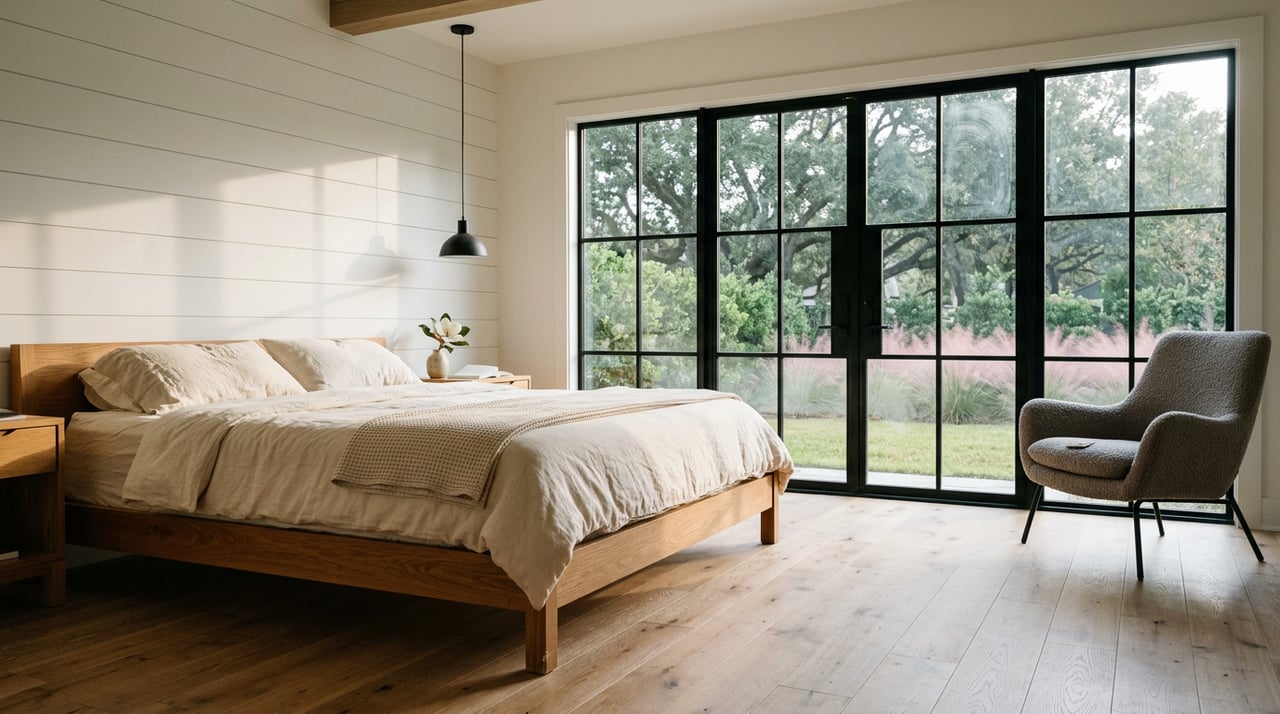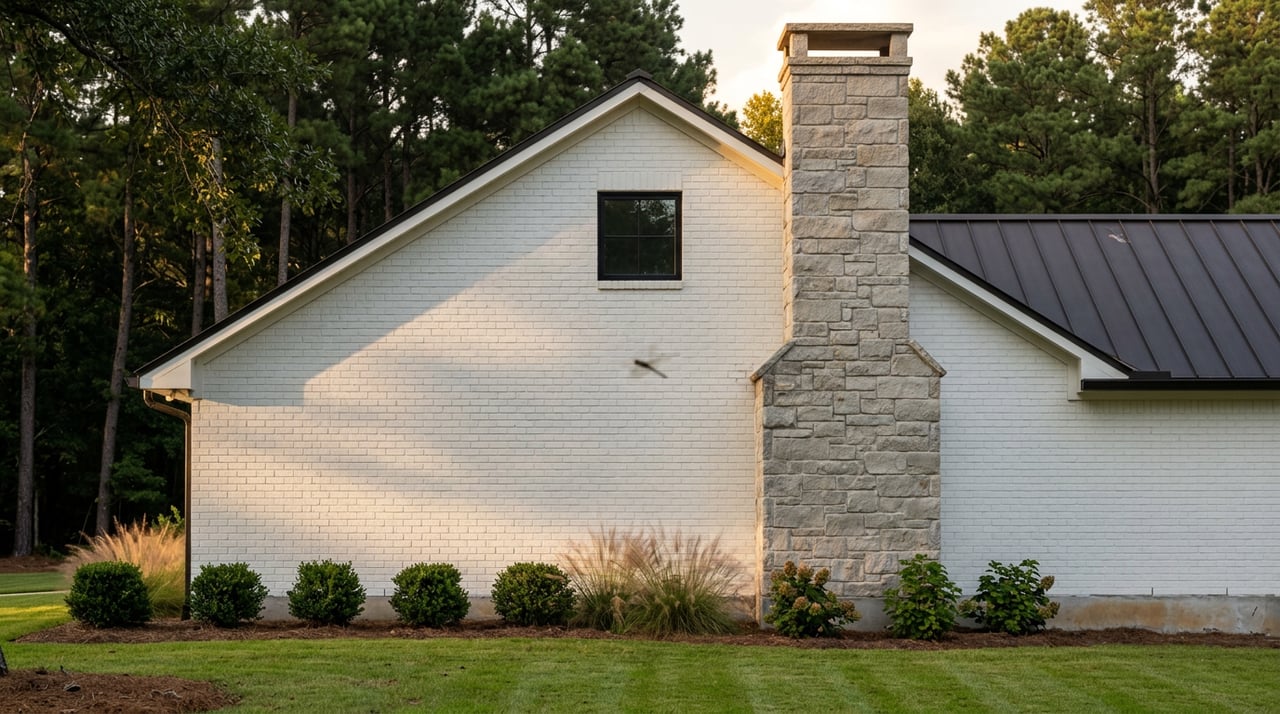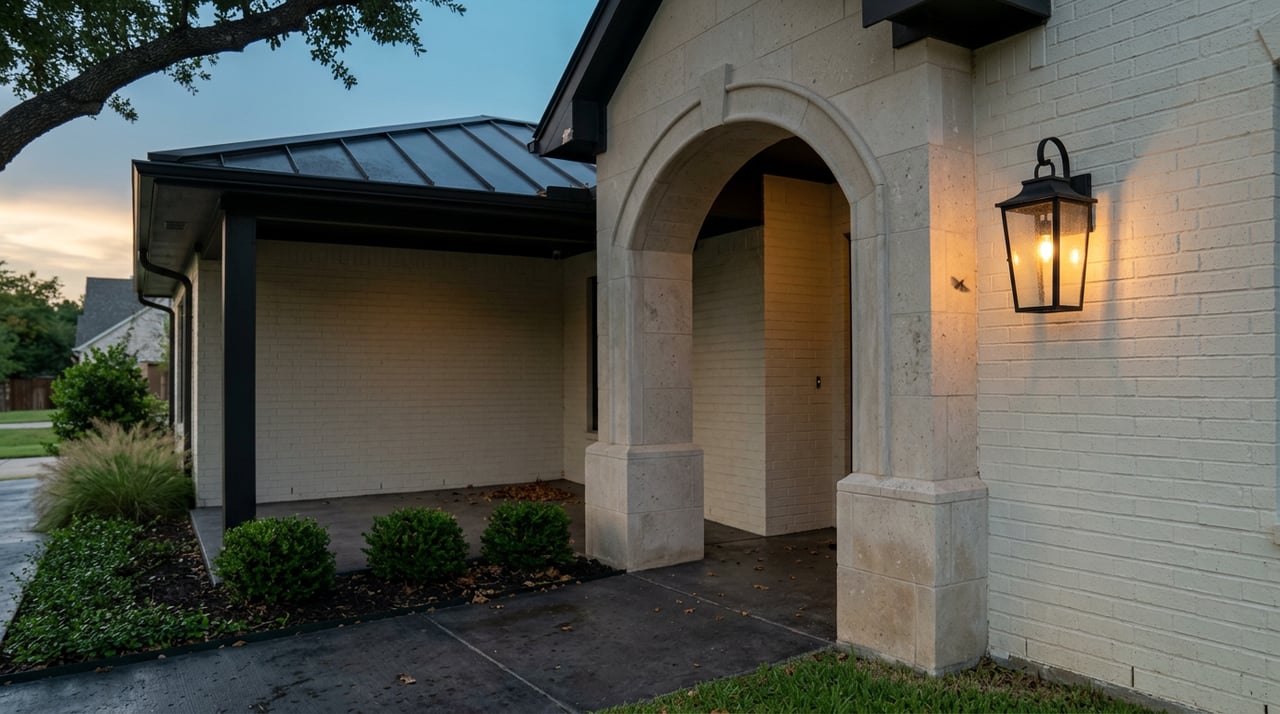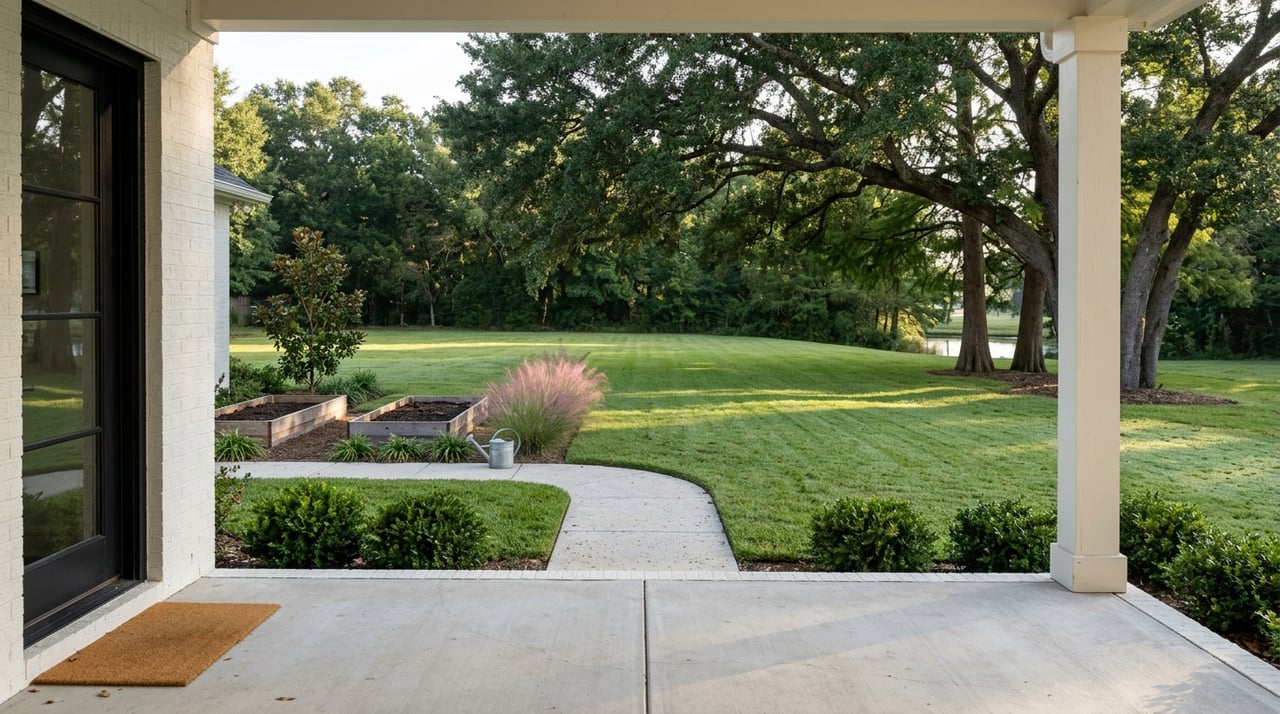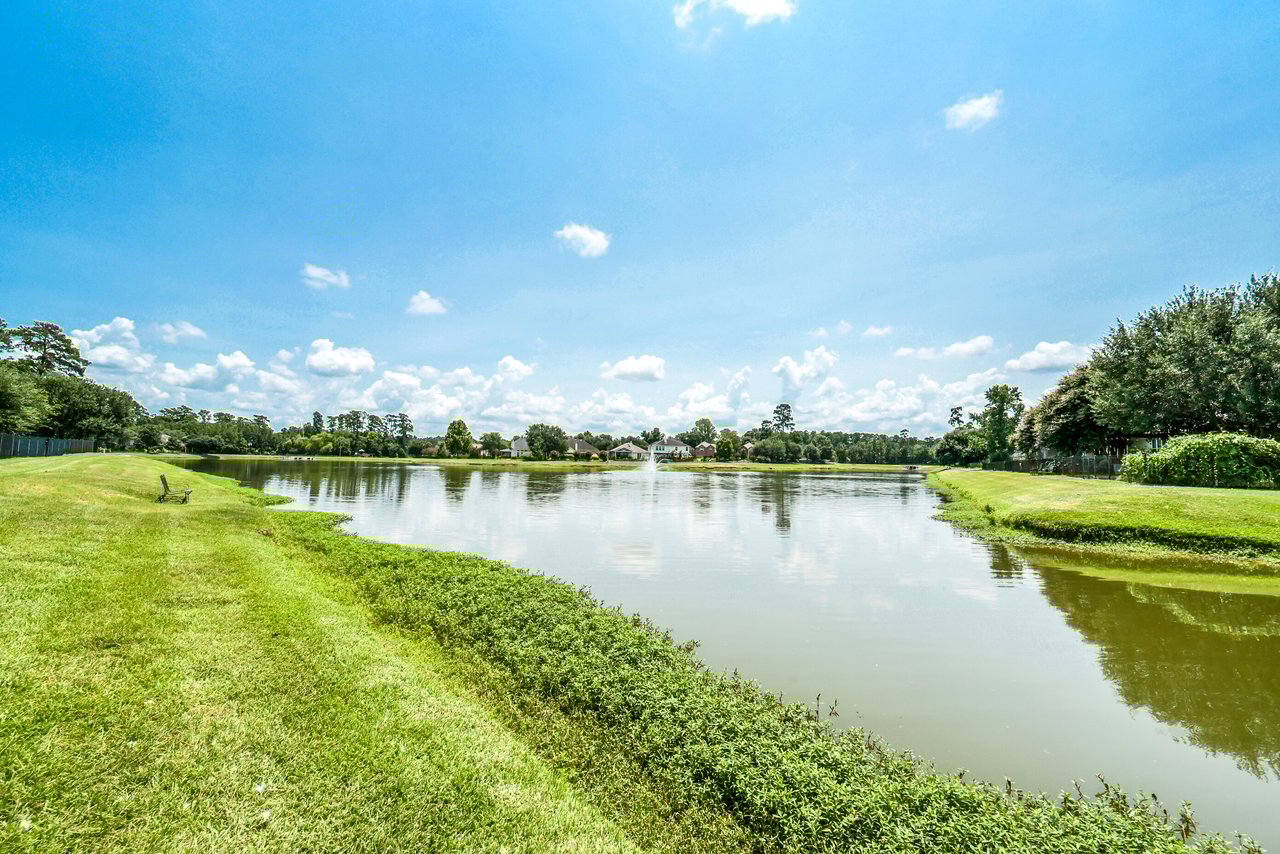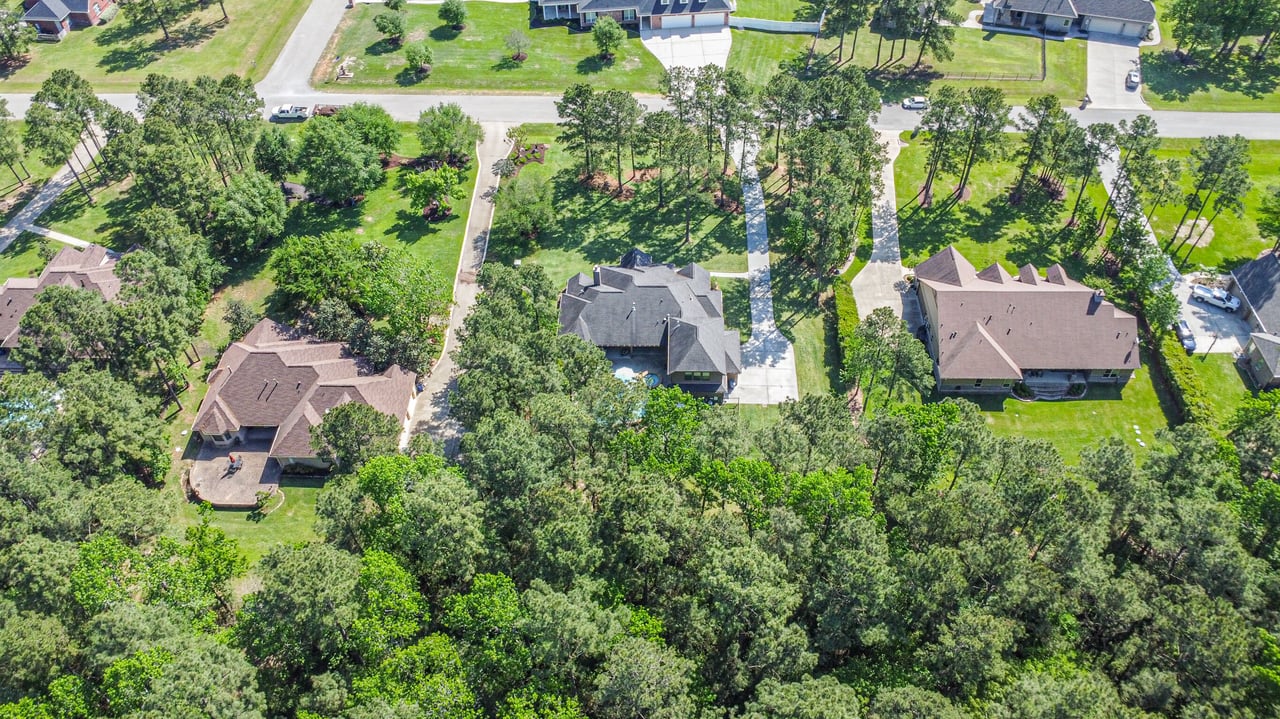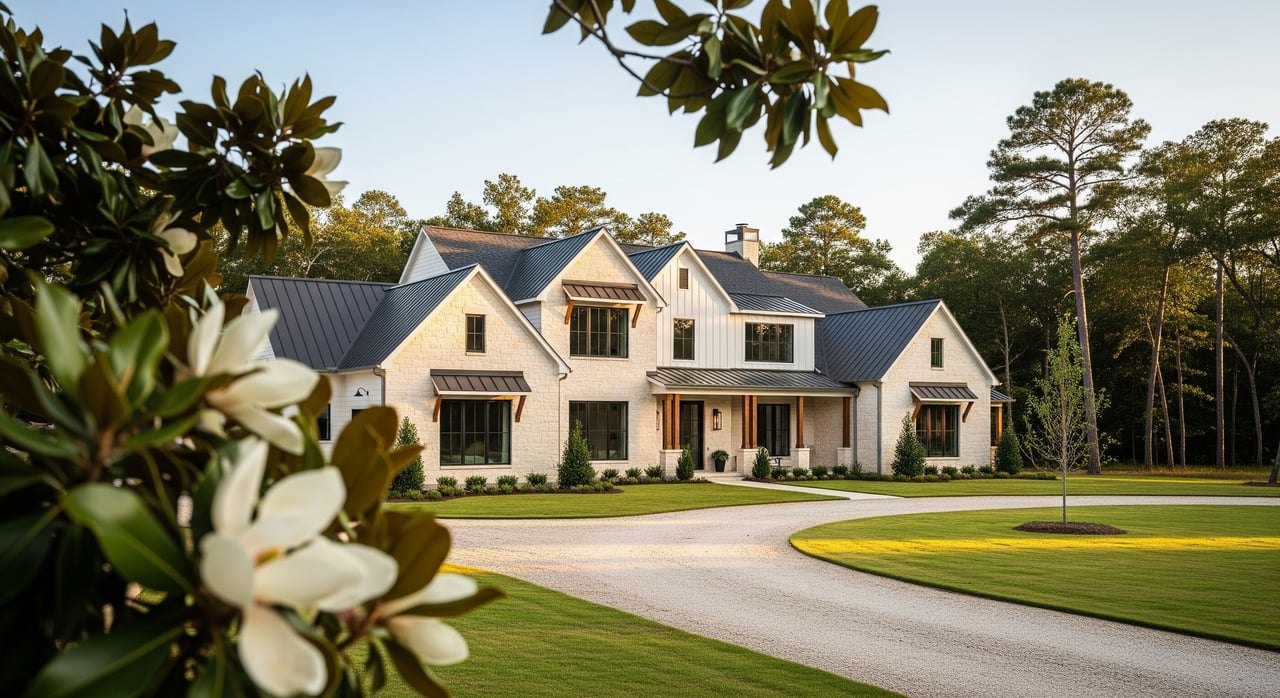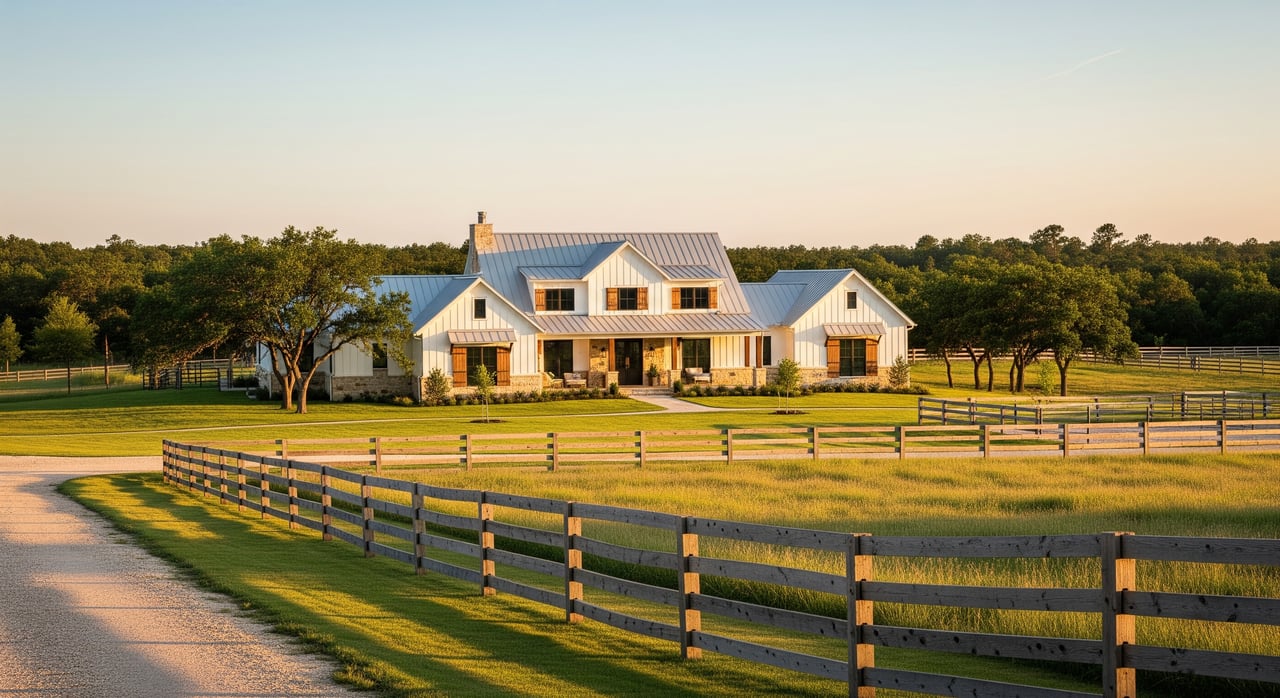
Wondering why selling a home on acreage in Magnolia can feel so different from selling a house in a neighborhood? You are not just marketing square footage and finishes. You are also selling land, access, utility setup, and a lifestyle that buyers need help understanding. If you want to price it right, show it well, and avoid preventable surprises, these key steps will help you move forward with more confidence. Let’s dive in.
Understand the Magnolia acreage market
Selling acreage in Magnolia takes a more careful strategy than selling a typical subdivision home. Public market snapshots have pointed to Magnolia as a buyer-leaning market, with reported days on market varying by source but generally showing that homes may take time to sell.
That matters because buyers often have options, and acreage listings usually need stronger pricing and better presentation to stand out. In this kind of market, preparation is not optional. It is one of the biggest factors that can help you attract serious buyers early.
Price acreage differently
Acreage properties do not usually appraise the same way as homes on standard lots. Rural and semi-rural homes often have fewer truly similar sales, so appraisers may need to use older or more distant comparable sales when those are the best available.
That is one reason pricing can feel tricky. A beautiful barn, a pond, extra fencing, or a long private drive may make your property more appealing, but those features do not always add value dollar for dollar in an appraisal.
Start with an acreage-focused CMA
Before you choose a list price, you need a comparative market analysis that looks beyond the house itself. The most useful review will consider both the home and the land characteristics that shape buyer demand.
That includes details like:
- Total usable acreage
- House size and condition
- Fencing and cross-fencing
- Barns and outbuildings
- Ponds, lakes, or creeks
- Trail systems or riding areas
- Gated entry and driveway quality
- Septic, well, and utility setup
- Car storage and covered parking
A strong pricing strategy should also account for whether your property is typical for the surrounding market area. If the tract is much larger than nearby properties, or if you have highly customized improvements, the market may not support the full cost of those features.
Prepare for appraisal questions early
Appraisers commonly review site size, neighborhood trend, legal description, highest and best use, and the overall condition of improvements. They also look closely at whether larger land size is typical for the area.
That means it helps to get ahead of questions before your home goes live. If you can clearly explain what the property includes and how it functions, you make it easier for buyers, lenders, and appraisers to understand the full picture.
Get your land ready to show
With acreage, the land is part of the first impression. Buyers need to see not just how much land you have, but how usable and maintained it feels.
If the grounds look overgrown or unclear, buyers may assume more work, more cost, and more risk. If the layout is clean and easy to follow, they are more likely to picture themselves enjoying it.
Focus on usability and appearance
The highest-impact prep work is often simple, visible, and practical. Your goal is to help the land read as cared for and functional.
Consider tackling these items before listing:
- Mow and edge open areas
- Clear excess brush
- Trim fence lines
- Repair or repaint gates if needed
- Pressure-wash driveway approaches and entry features
- Clean barns, sheds, and other outbuildings
- Define trails, paths, or riding areas
- Remove unused equipment or scrap piles
Outdoor presentation matters because buyers often make quick judgments from photos and first drive-ups. In many cases, this prep has a stronger impact than expensive projects that do not improve how the property is understood.
Build strong marketing assets
Acreage listings need visuals that explain scale, function, and flow. Standard interior photos alone are rarely enough.
Recent staging guidance shows that buyers' agents place high value on photos, video tours, and virtual tours. Outdoor spaces also play a major role in how buyers respond to a home.
Tell the property story in photos
Your photo sequence should help buyers understand the property step by step. Instead of jumping straight into the kitchen or living room, start by showing how the property is approached and what makes the land useful.
A smart photo order often looks like this:
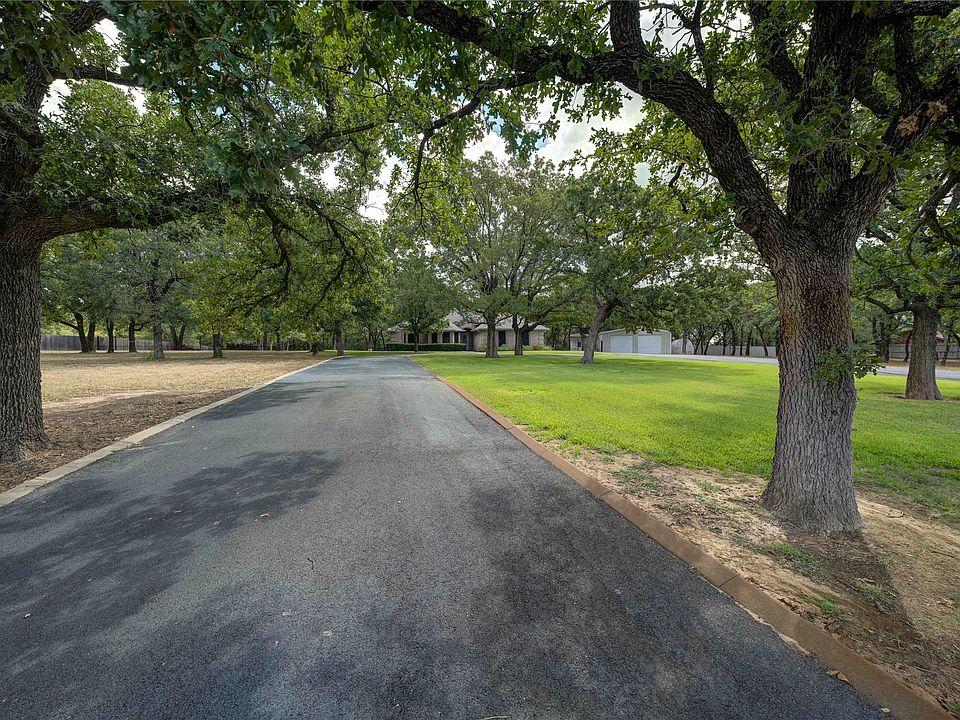
- Front gate or entrance drive
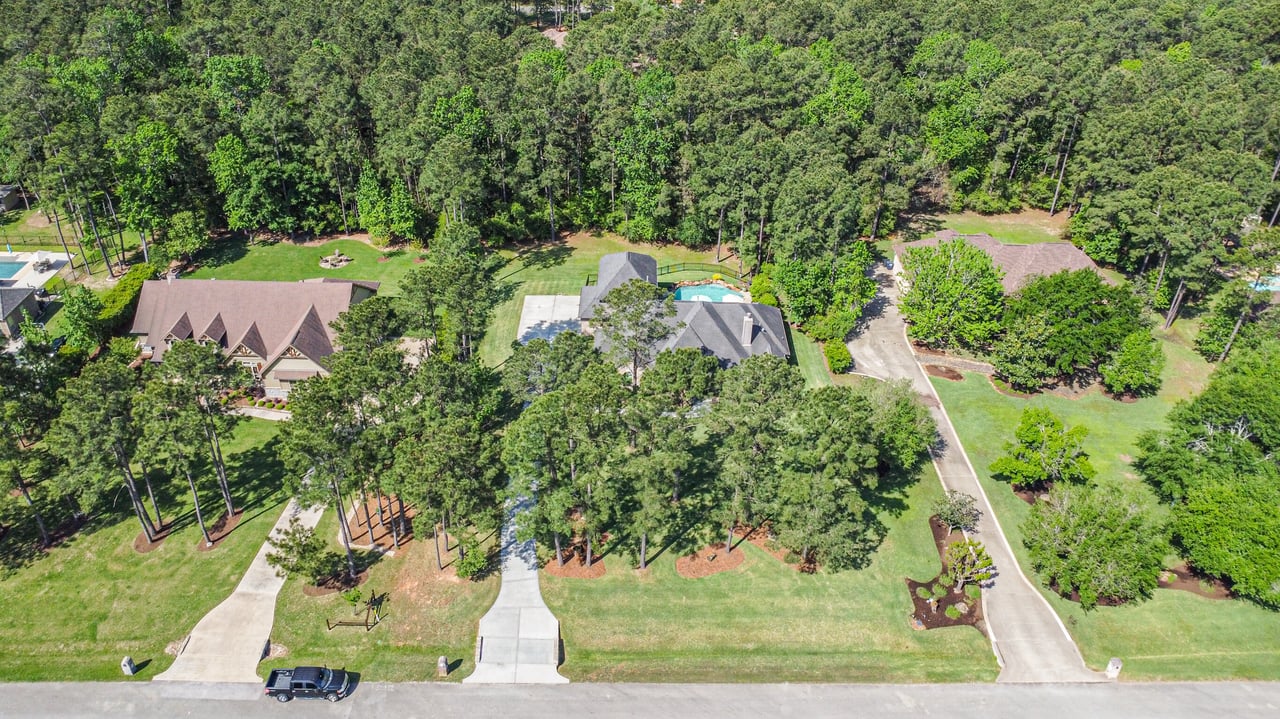
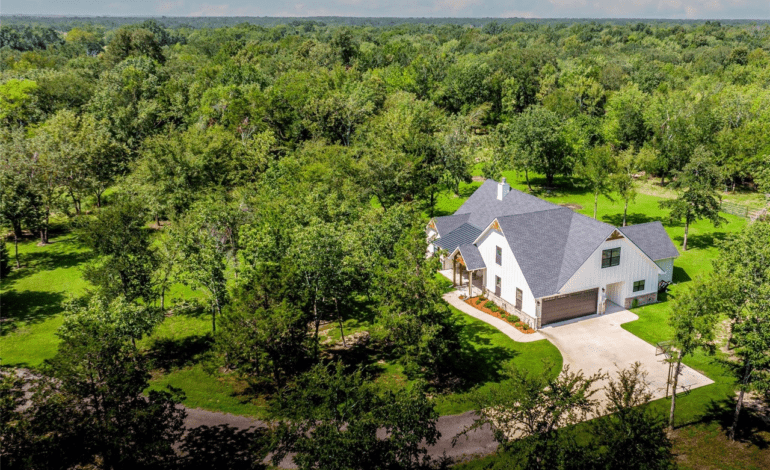
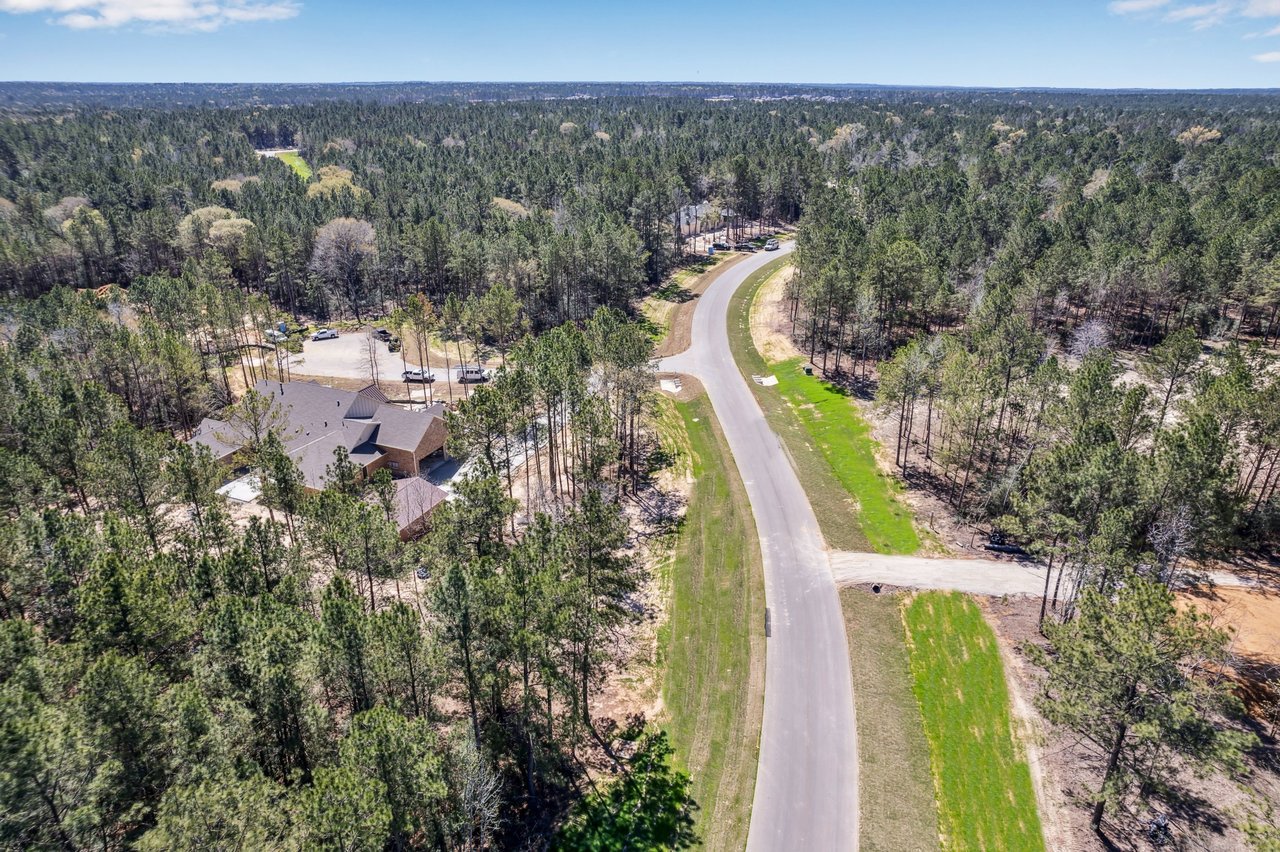
- Aerial or high-angle overview
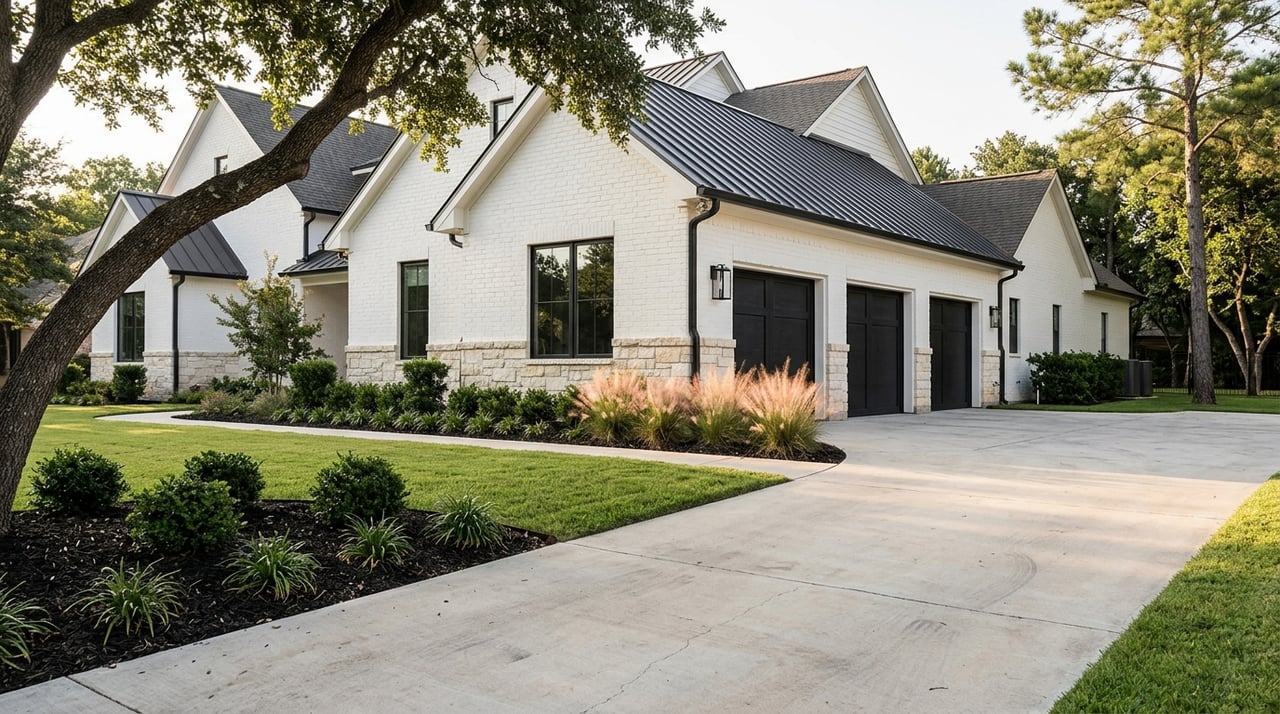
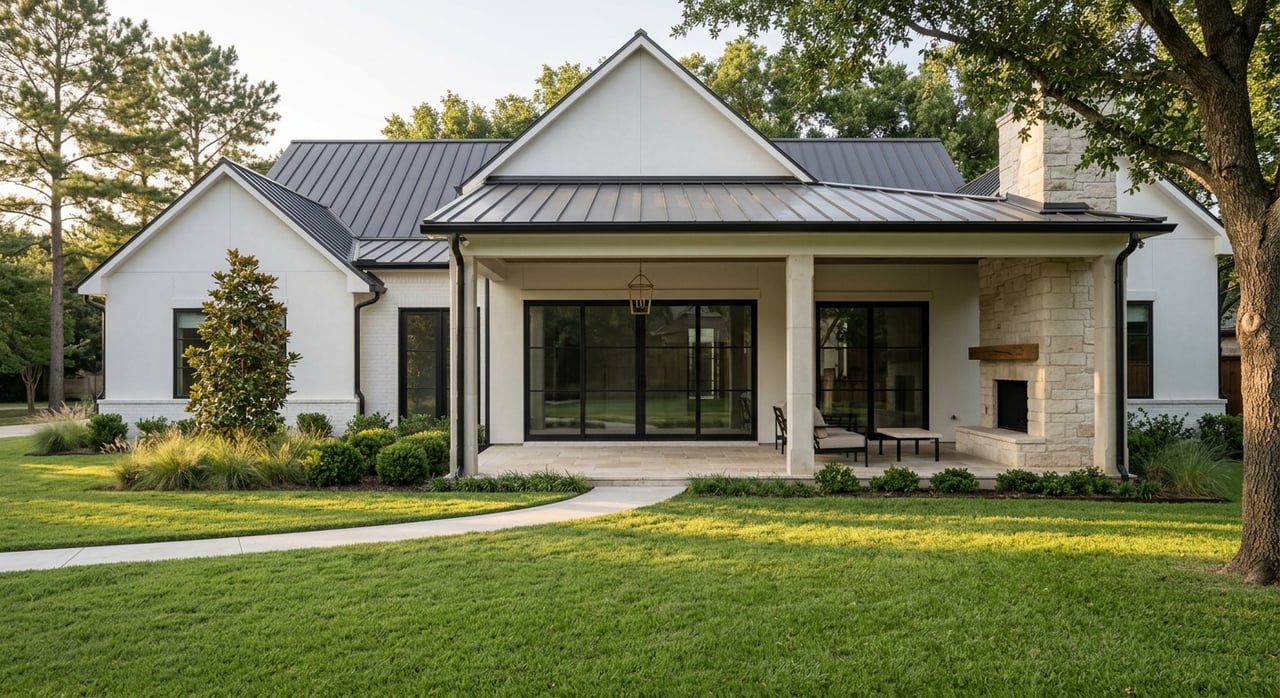
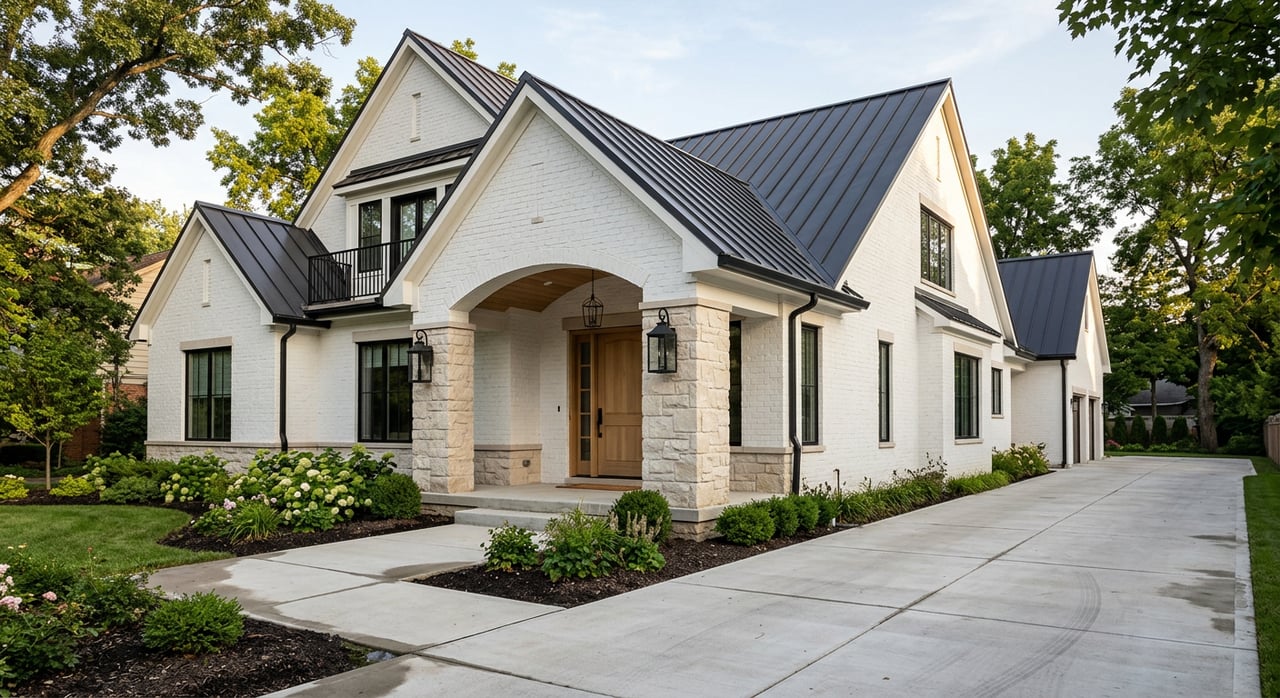
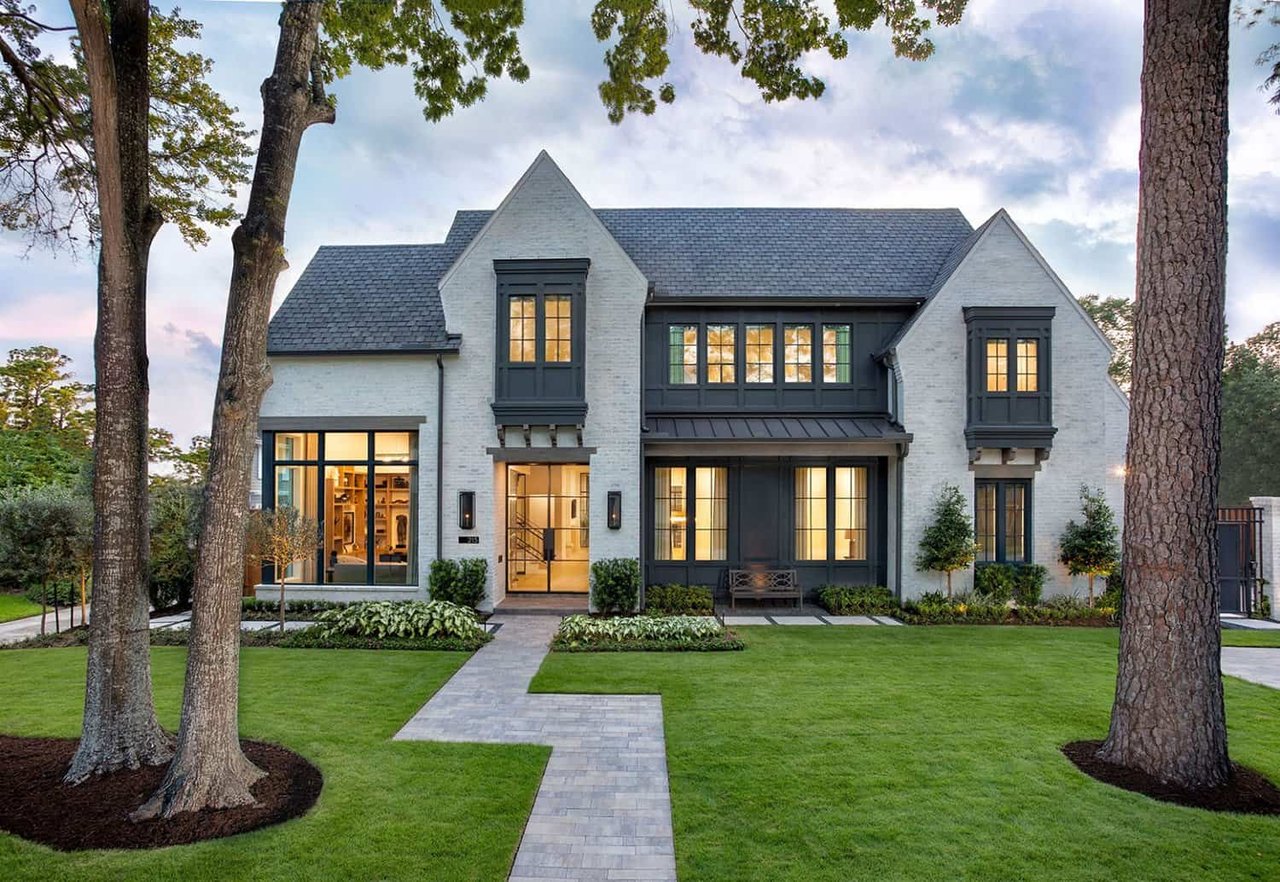
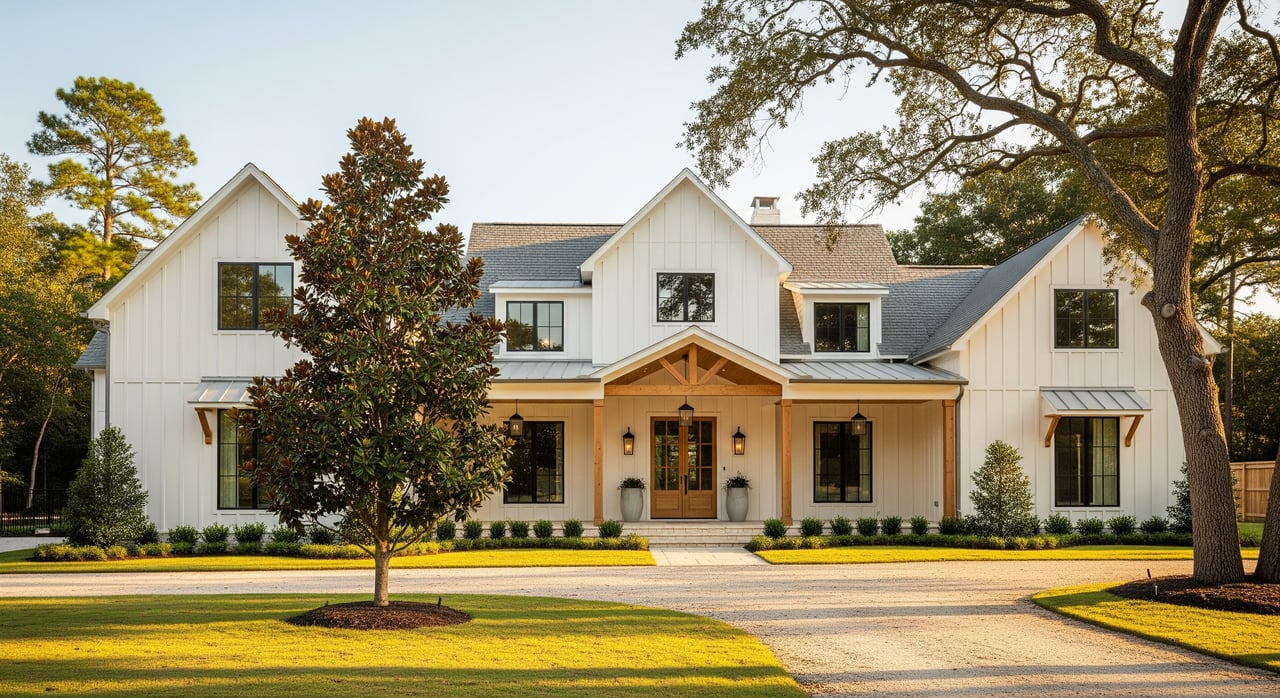
- House exterior
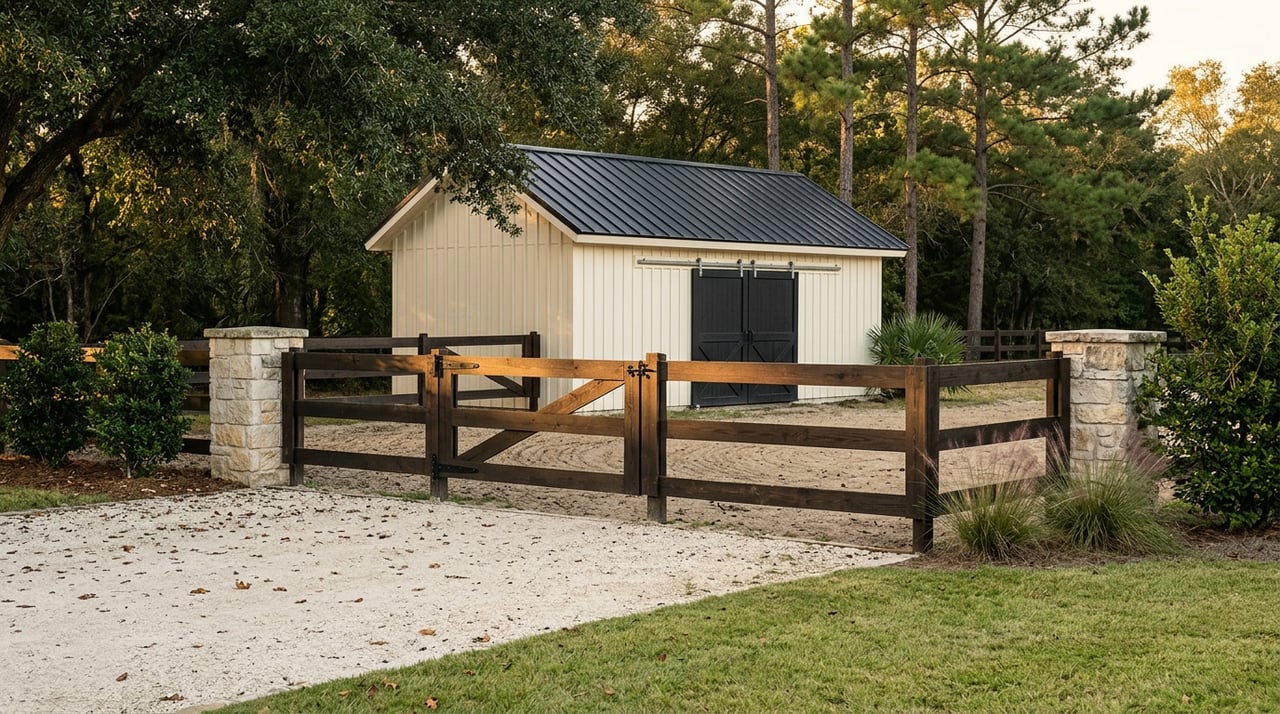
- Barns or outbuildings
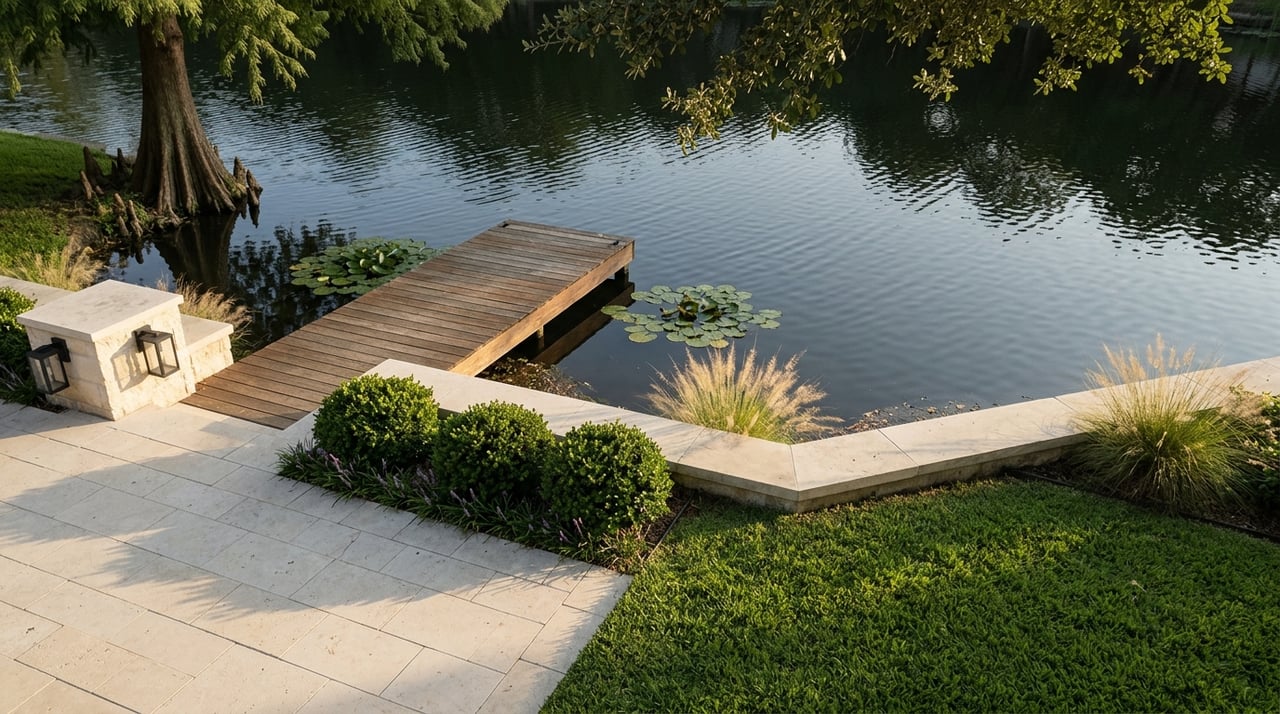
- Water features
- Trails or open-use land
- Interior living spaces
This flow helps buyers make sense of the property before they visit. It also supports a more complete understanding of the features that may matter during appraisal and financing.
Stage the outside, not just the inside
When people hear staging, they often think about furniture and decor. With acreage, staging the outside can be just as important.
Clean entry points, visible boundaries, tidy barns, and defined outdoor areas help buyers picture how they would use the property. That kind of clarity can improve interest and may help shorten time on market.
If any virtual staging or image enhancement is used, the images should still give buyers a true picture of the property. Clear, accurate marketing builds trust from the start.
Organize key documents before listing
One of the smartest things you can do before selling a home on acreage in Magnolia is gather your paperwork early. Acreage buyers often ask more property-specific questions than buyers looking at standard neighborhood homes.
The more organized you are, the easier it is to answer those questions without delay. That can keep your transaction moving and reduce last-minute stress.
Have utility and access records ready
In Montgomery County, septic and water access are important property details, not small footnotes. County guidance says septic installation requires a site evaluation and soil analysis, a design prepared by a registered sanitarian or engineer, and a county Notice of Approval after installation.
County guidance also notes minimum lot size standards in some situations, including generally at least 0.75 acre without a private water well and 1.5 acres when both a septic system and private water well are planned. It also states that the county will not issue septic permits in the regulatory floodway.
If your property includes these features, have records ready when possible:
- Survey or legal description
- Septic records and approvals
- Well information, if applicable
- Utility details
- Easement documents
- Fence or gate repair history
- Notes on barn, pond, trail, or driveway maintenance
If the property has low-lying land, a creek, pond, or flood-prone area, it also helps to have floodplain-related information ready. Buyers may ask early, and having answers can strengthen confidence.
Confirm access details
Access can be a major issue on acreage property. If your home fronts a state highway or needs driveway changes, TxDOT requires driveway permits for properties abutting state highways, and private farm and ranch driveways must meet certain design and drainage standards.
If the property uses a private road, shared drive, or easement, be ready to provide the recorded access documents. Clear access information helps buyers understand how the property functions and can prevent avoidable concerns during due diligence.
Make showings easy and safe
Showing acreage is different from showing a home in a subdivision. Buyers may need more time on site, more guidance getting there, and more structure once they arrive.
That is why showing prep should include both presentation and logistics. A beautiful property can still leave a poor impression if access feels confusing or inconvenient.
Plan for smooth access
Before the first showing, make sure buyers can reach and tour the property without guesswork. This is especially important if gates, long driveways, or shared access points are involved.
Helpful showing steps include:
- Provide clear driving directions
- Share gate codes in advance when appropriate
- Make sure driveways are passable
- Confirm there is enough turnaround space
- Mark key paths or areas buyers should explore
These details may sound small, but they can shape how comfortable buyers feel on the property.
Secure animals before tours
If you have pets or livestock, plan ahead before every showing. Buyers often want to walk the grounds, and loose animals can create safety concerns or distractions.
Removing pets from the home and securing livestock helps the showing feel calmer and more predictable. It also allows buyers to focus on the property itself.
Budget for upfront prep
Many sellers ask whether prep work is really worth the cost. In a buyer-leaning market, it often is.
Staging data reported a median spend of about $1,500 when a staging service is used, or about $500 when the agent stages the home personally. While every property is different, those numbers help frame why upfront work can be more cost-effective than repeated price reductions after launch.
For acreage, the best investment is often the work that improves clarity. Clean land, strong visuals, better documentation, and easier access can all help buyers feel more certain about what they are seeing.
Time your sale with the property in mind
Many sellers wonder if they should wait for spring. National timing data has pointed to mid-April as a strong selling window, and that can make sense for Magnolia acreage because greener land and outdoor features are easier to showcase.
Still, timing is only one piece of the puzzle. A well-prepared property with strong pricing and excellent presentation can stand out in more than one season.
Why local guidance matters
Selling a home on acreage in Magnolia calls for more than a basic listing plan. You need pricing that reflects rural-style appraisal realities, marketing that explains the land clearly, and preparation that addresses access, utilities, and documentation before they become obstacles.
That is where local experience can make a real difference. When you understand how buyers in Magnolia and Montgomery County look at acreage, you can make smarter decisions from the beginning and avoid costly missteps later.
If you are thinking about selling acreage in Magnolia, I can help you build a pricing and prep strategy that fits your property and the current market. Visit Tiffany Dixon to get started with a local, personalized plan.
FAQs
Why does a home on acreage in Magnolia appraise differently?
- Acreage homes often have fewer similar sales nearby, so appraisers may use older or more distant comparable sales and weigh site size, land use, and unique improvements differently than they would for a subdivision home.
What should sellers improve first before listing acreage in Magnolia?
- The most useful first steps are usually mowing, brush control, fence-line cleanup, barn and outbuilding cleanup, clear access, and strong photo preparation that helps buyers understand the land.
Do barns, ponds, and trails add value to a Magnolia acreage property?
- They can improve buyer interest and marketability, but they may not add full dollar-for-dollar value because appraisers look at the contributory value the market supports.
What documents should sellers gather for an acreage home sale in Montgomery County?
- It helps to have the survey, legal description, septic records, well information if applicable, easement documents, access records, and maintenance notes for fences, barns, ponds, trails, and driveways.
What access issues matter when selling acreage in Magnolia?
- Buyers and lenders may want clarity on driveway access, state-highway frontage, private roads, shared drives, easements, gate entry, and whether vehicles can safely enter and turn around on the property.
Should sellers wait until spring to list a home on acreage in Magnolia?
- Spring can be a strong time to showcase land and outdoor features, but strong pricing, presentation, and preparation matter in every season.