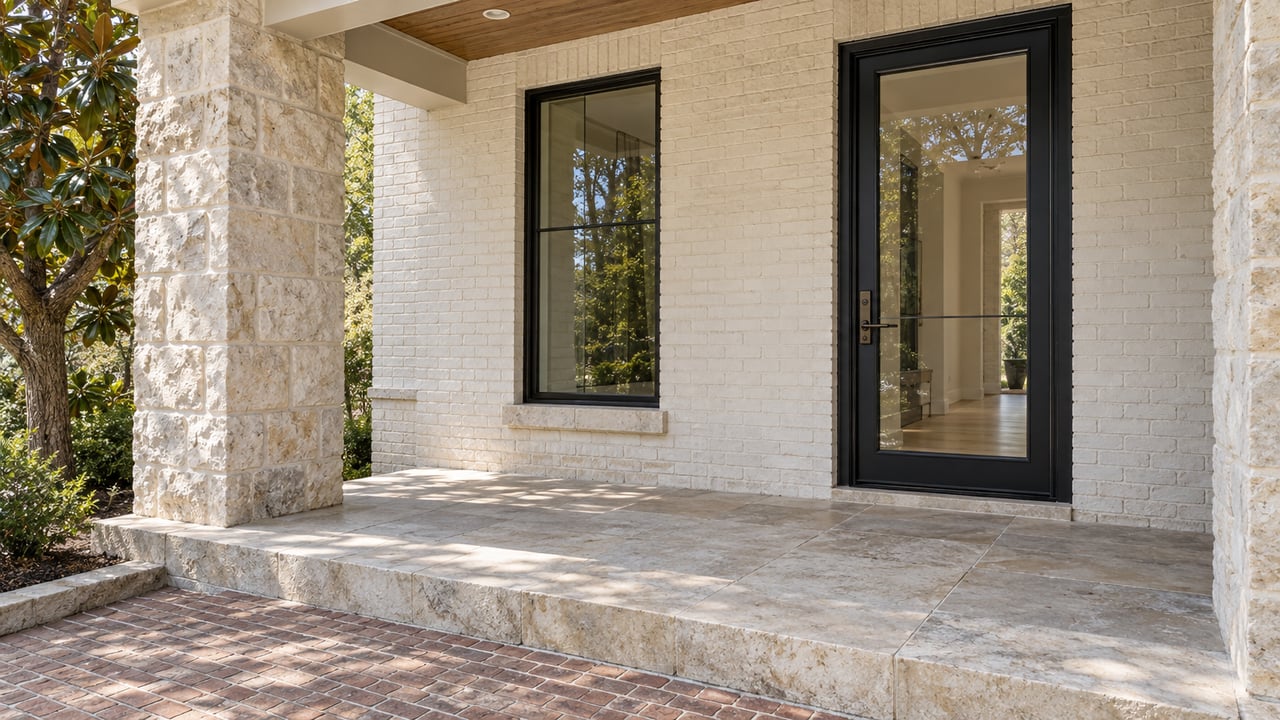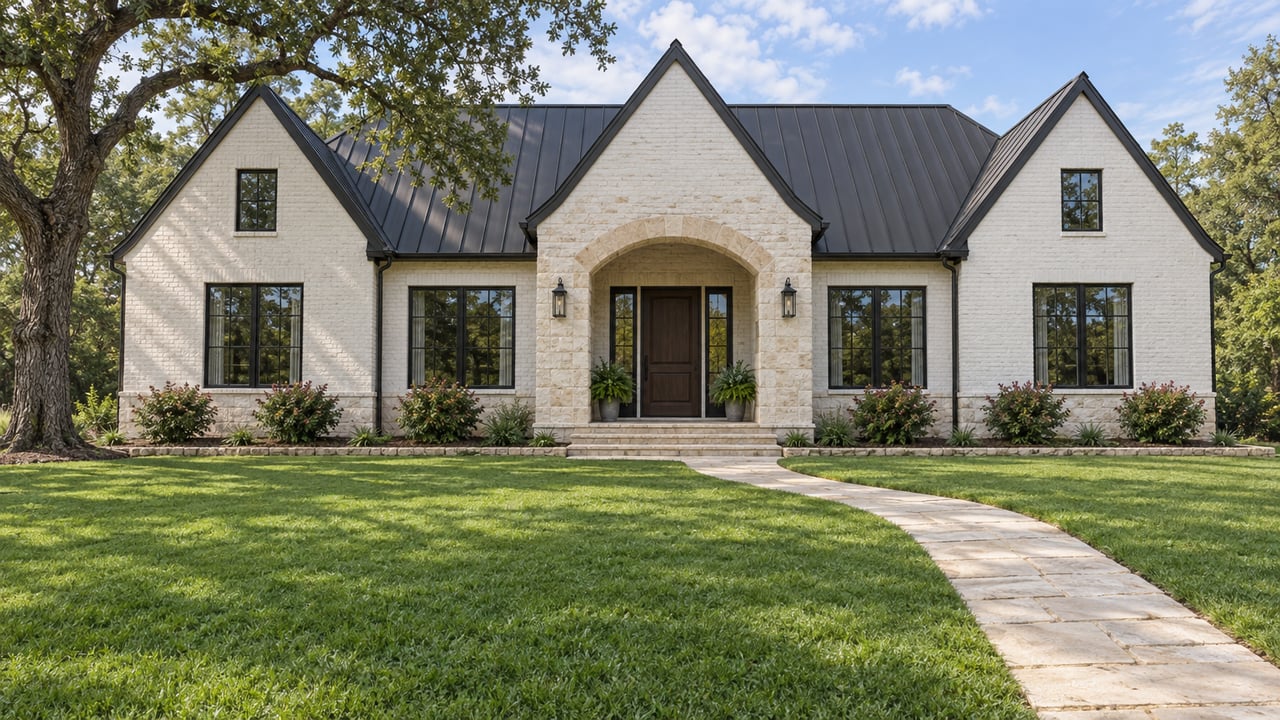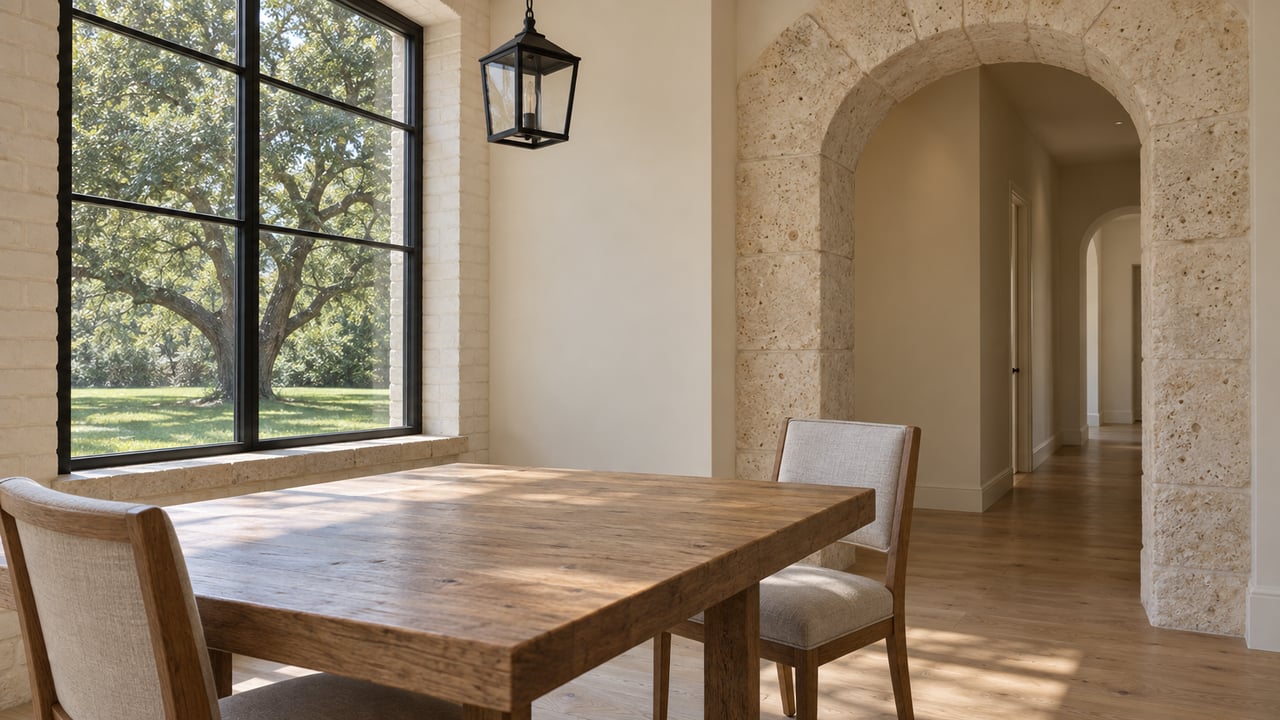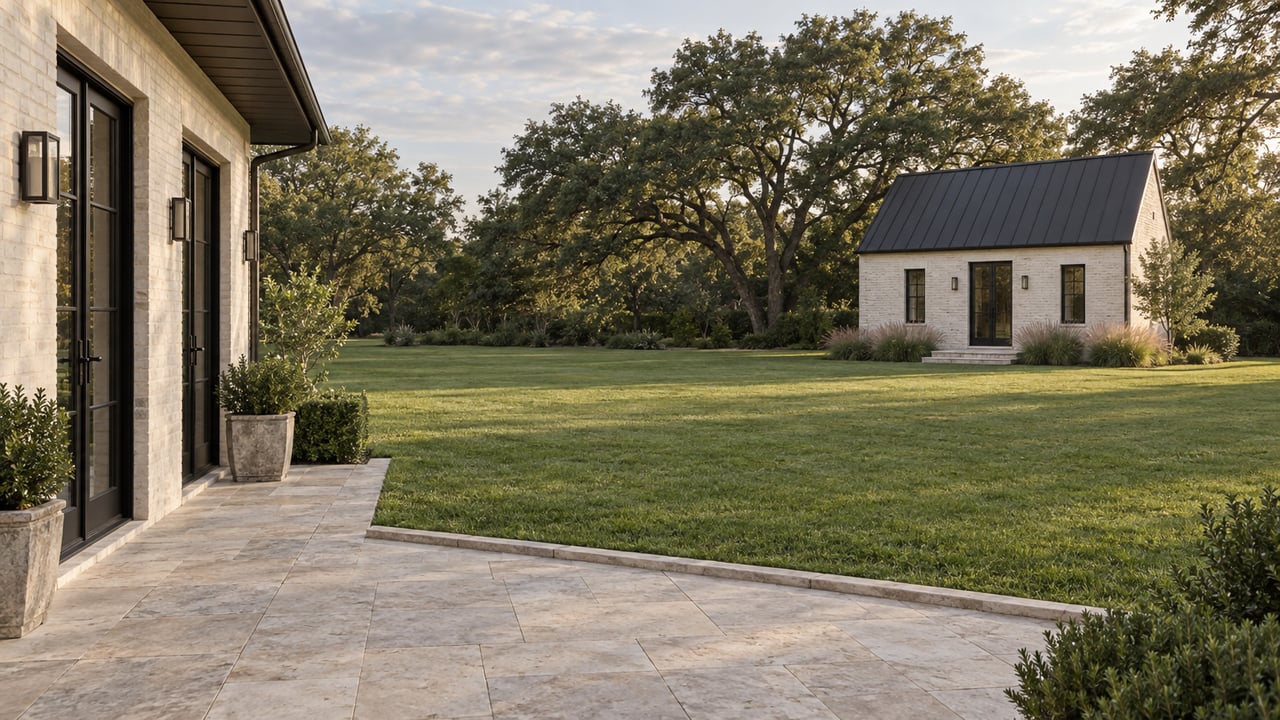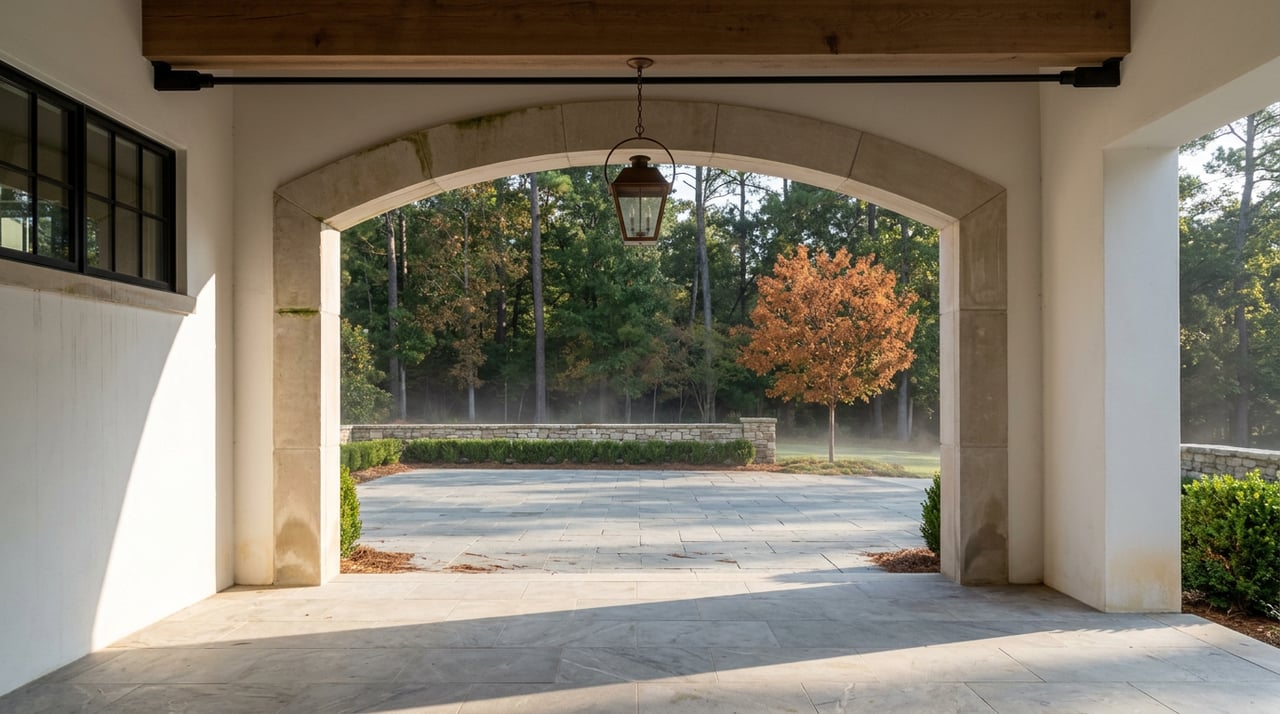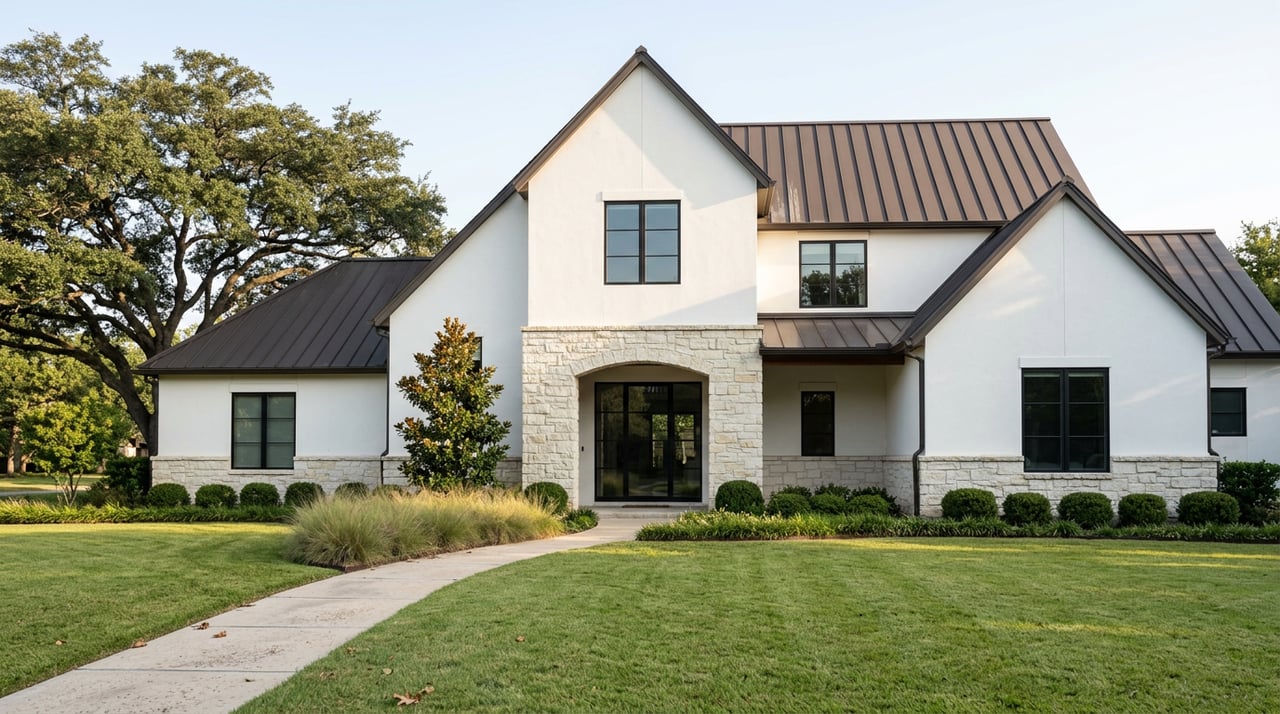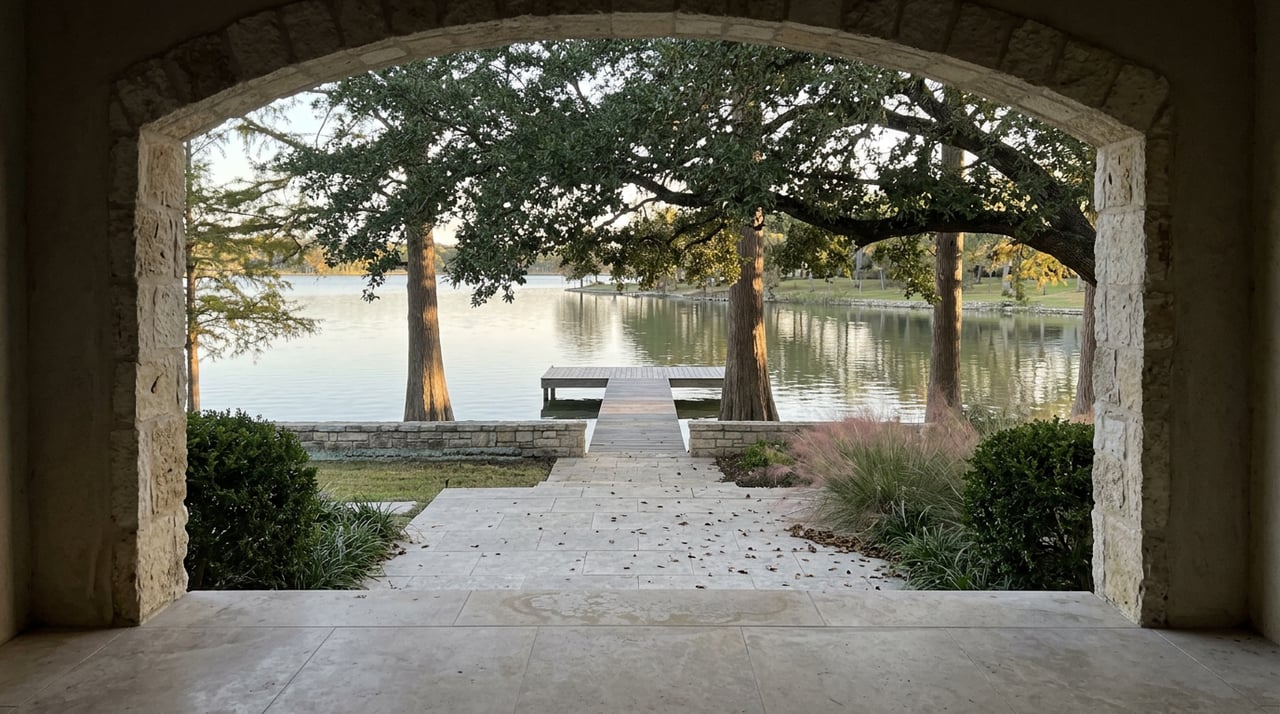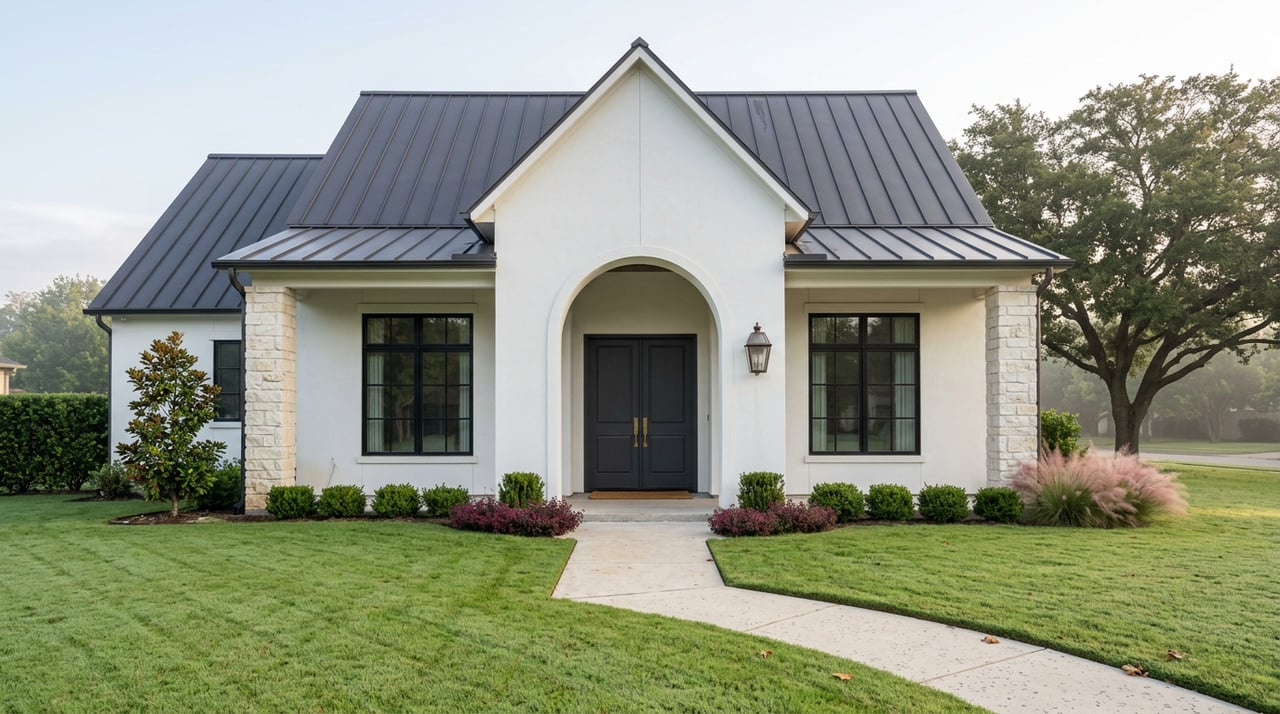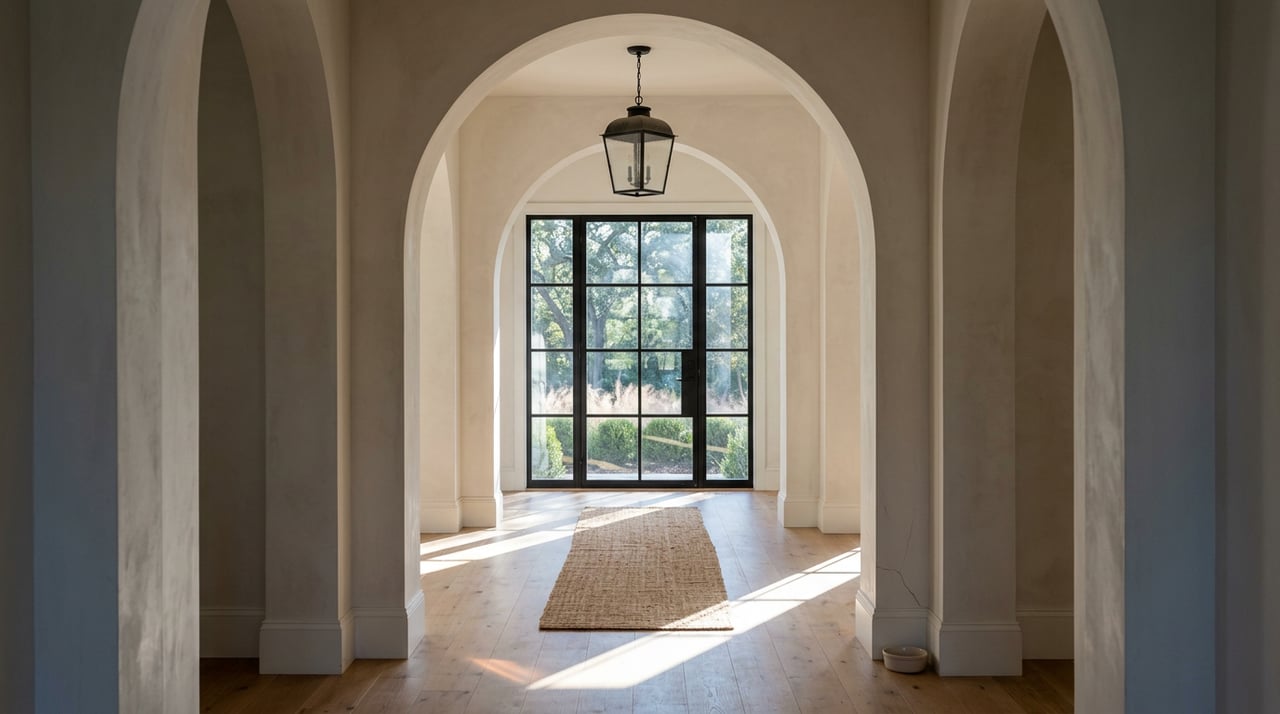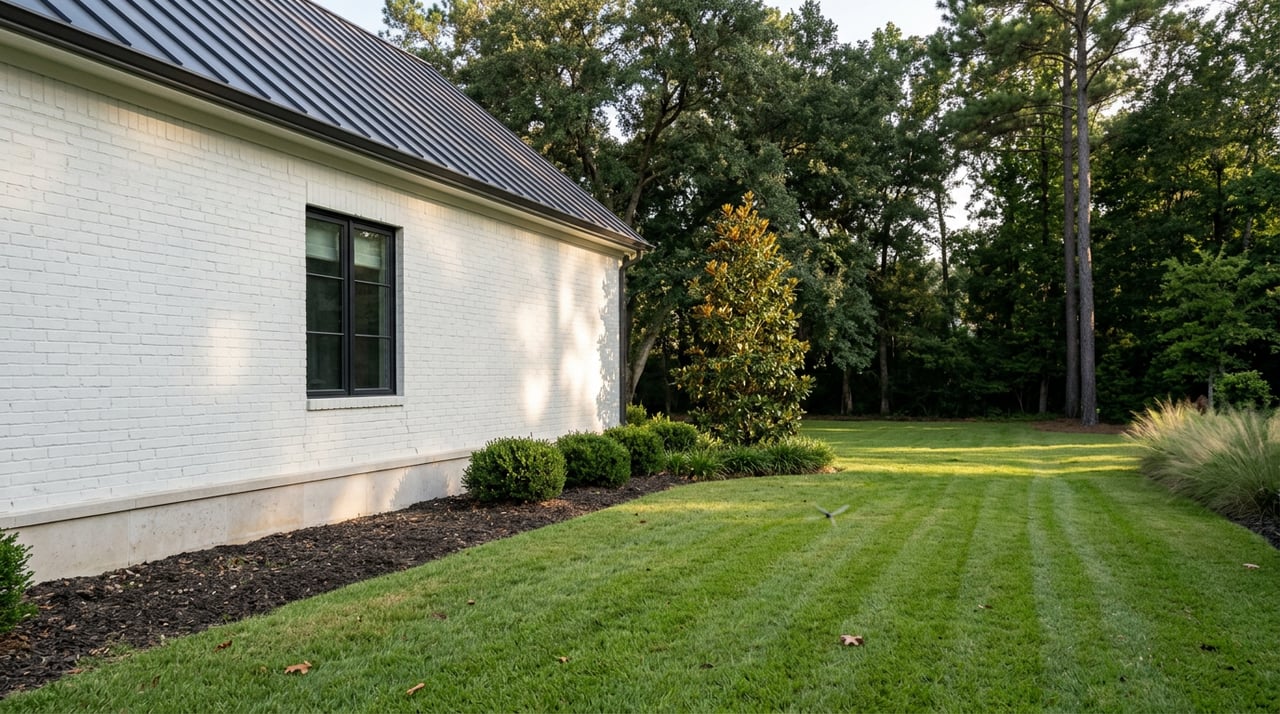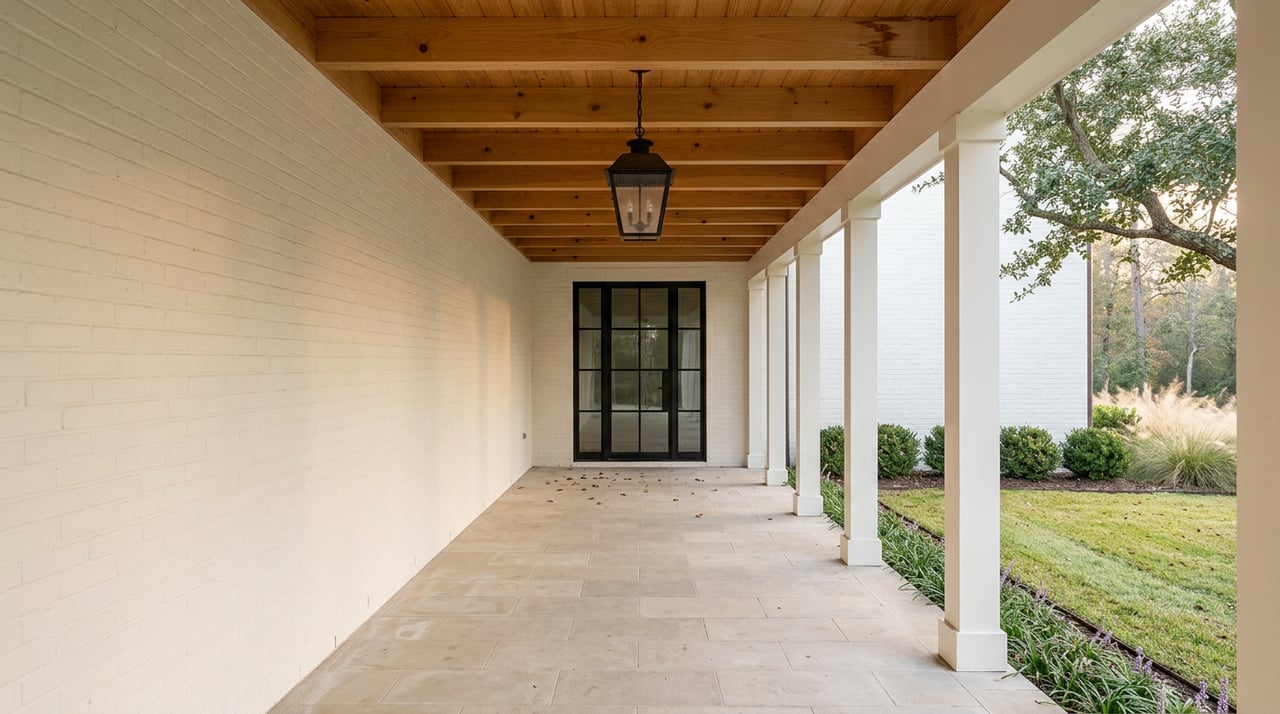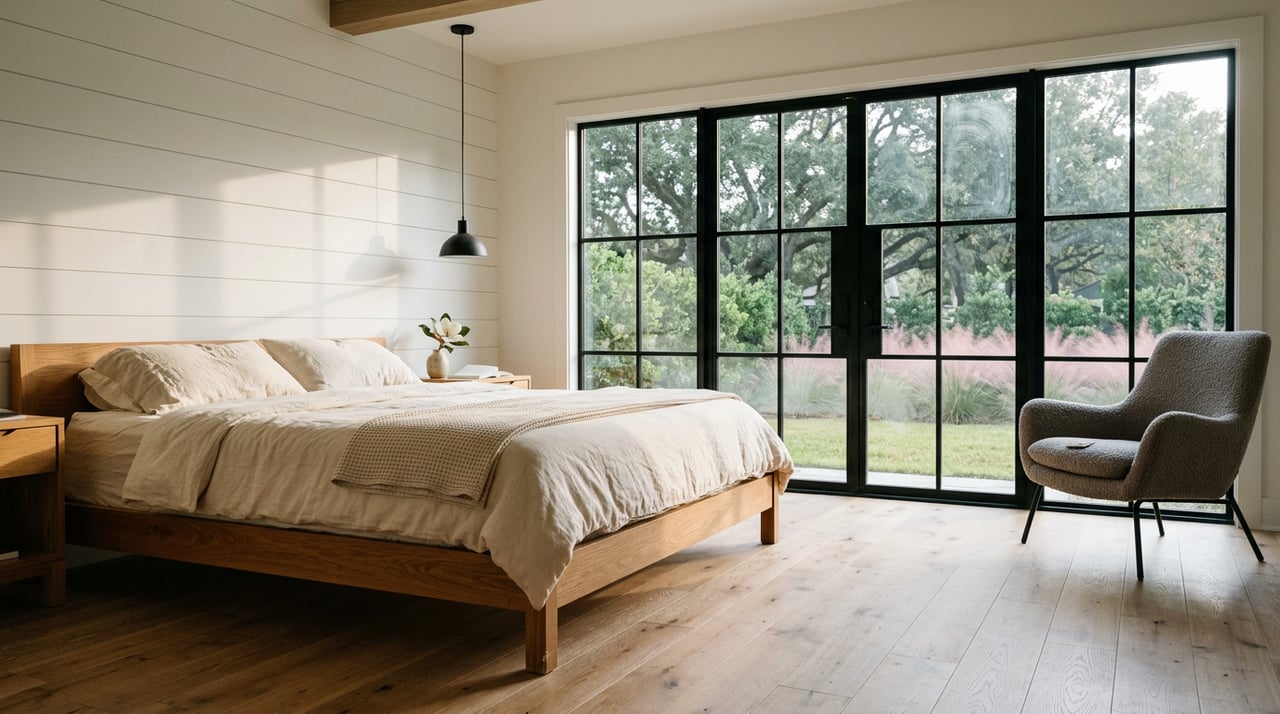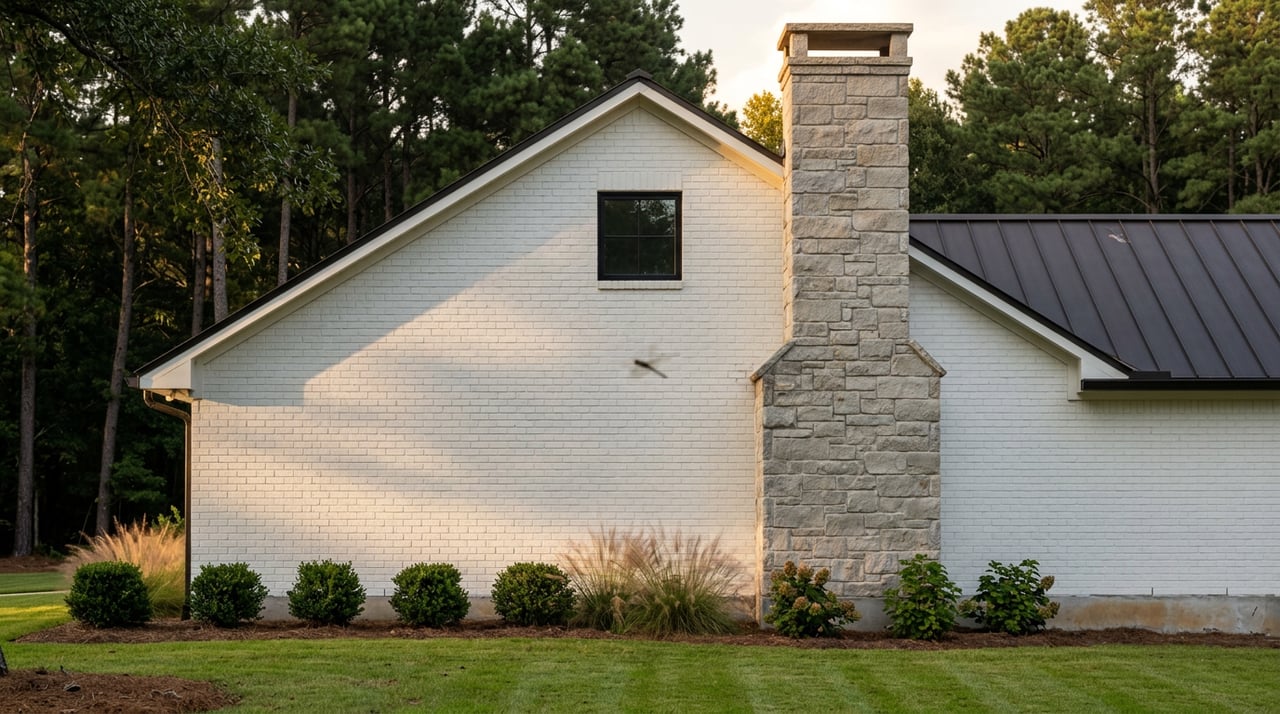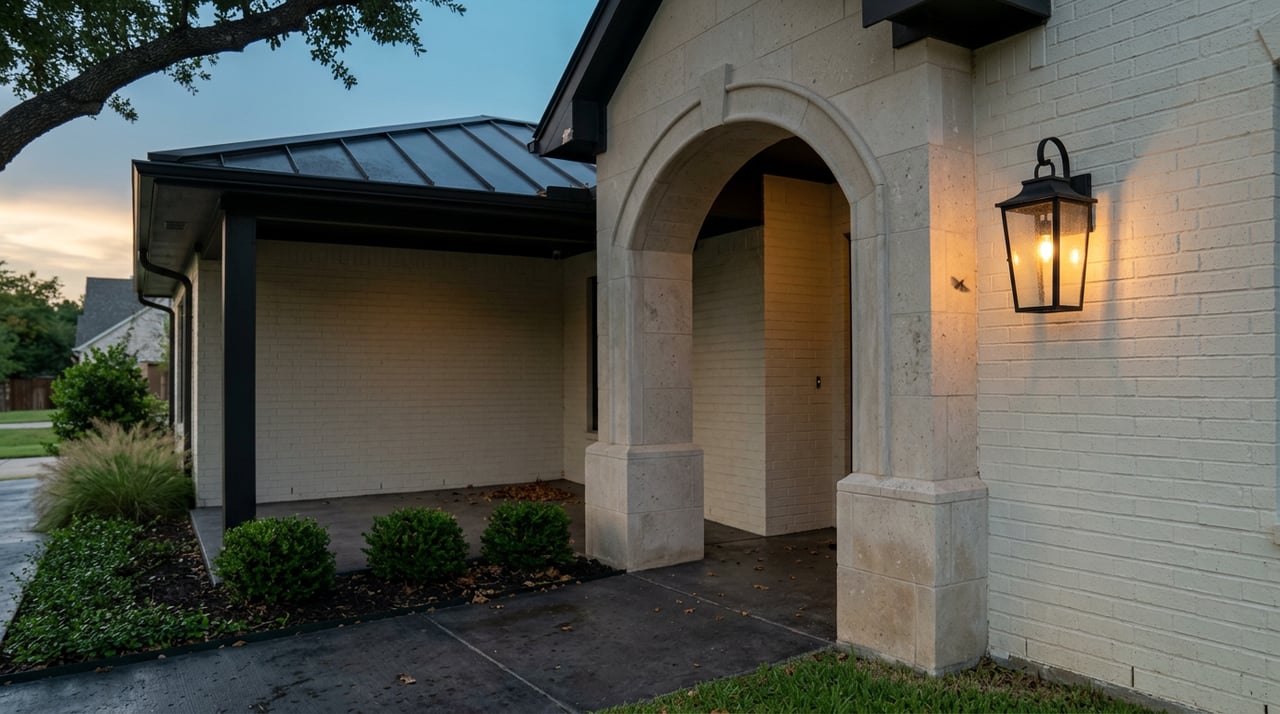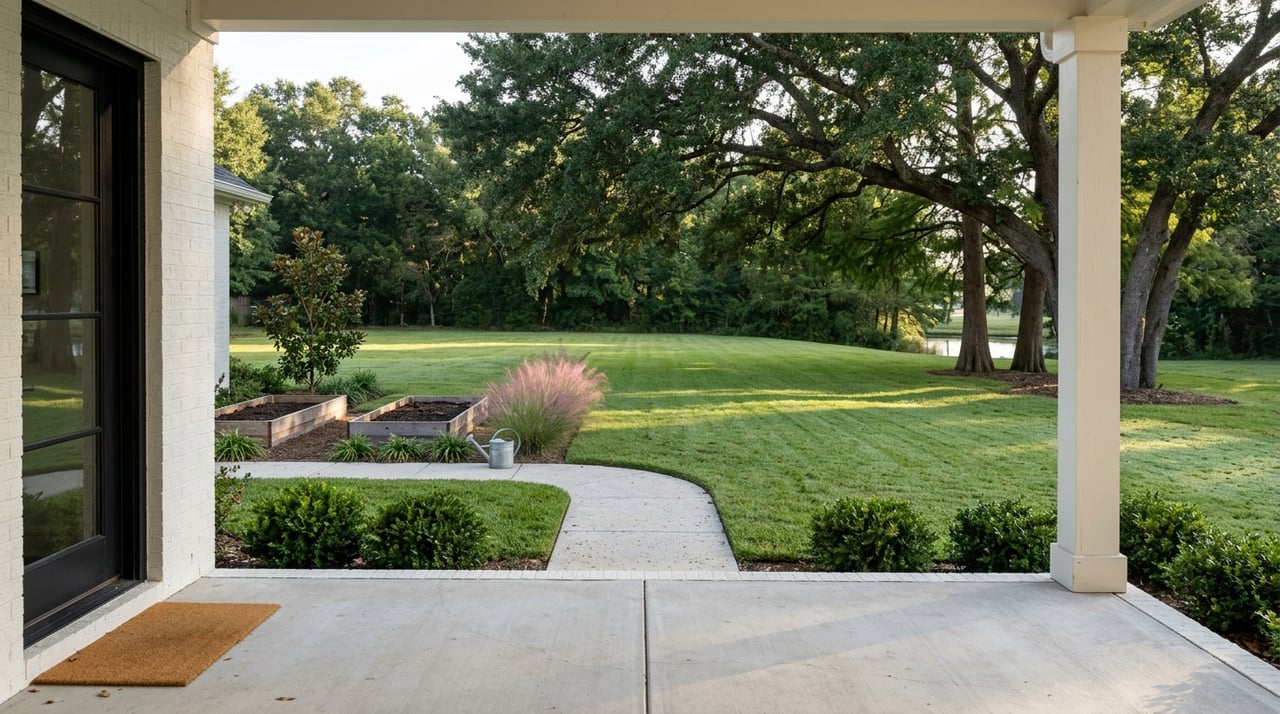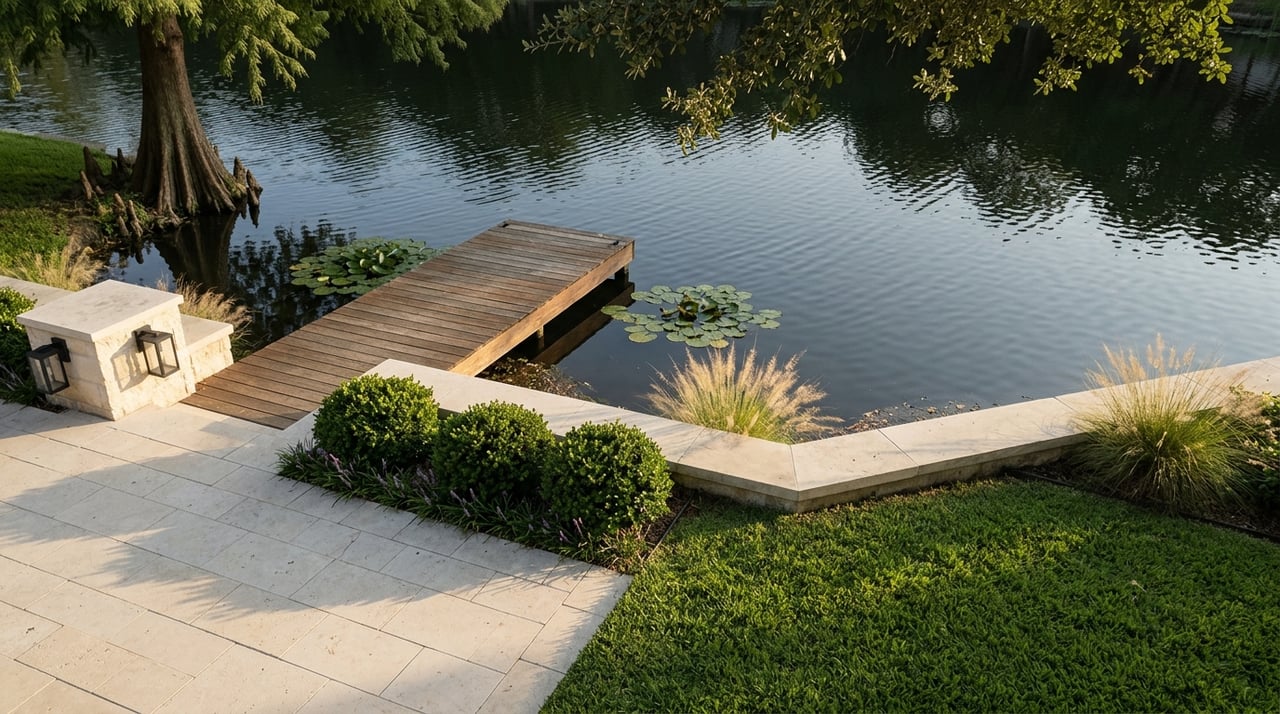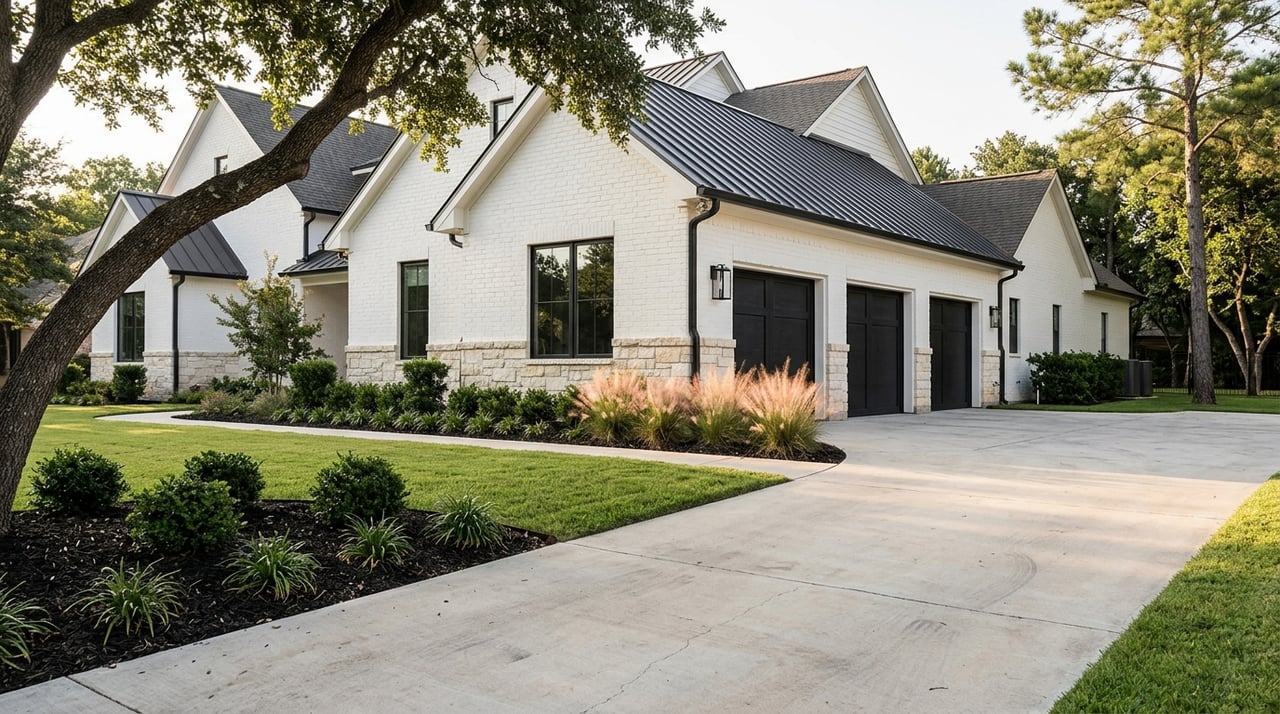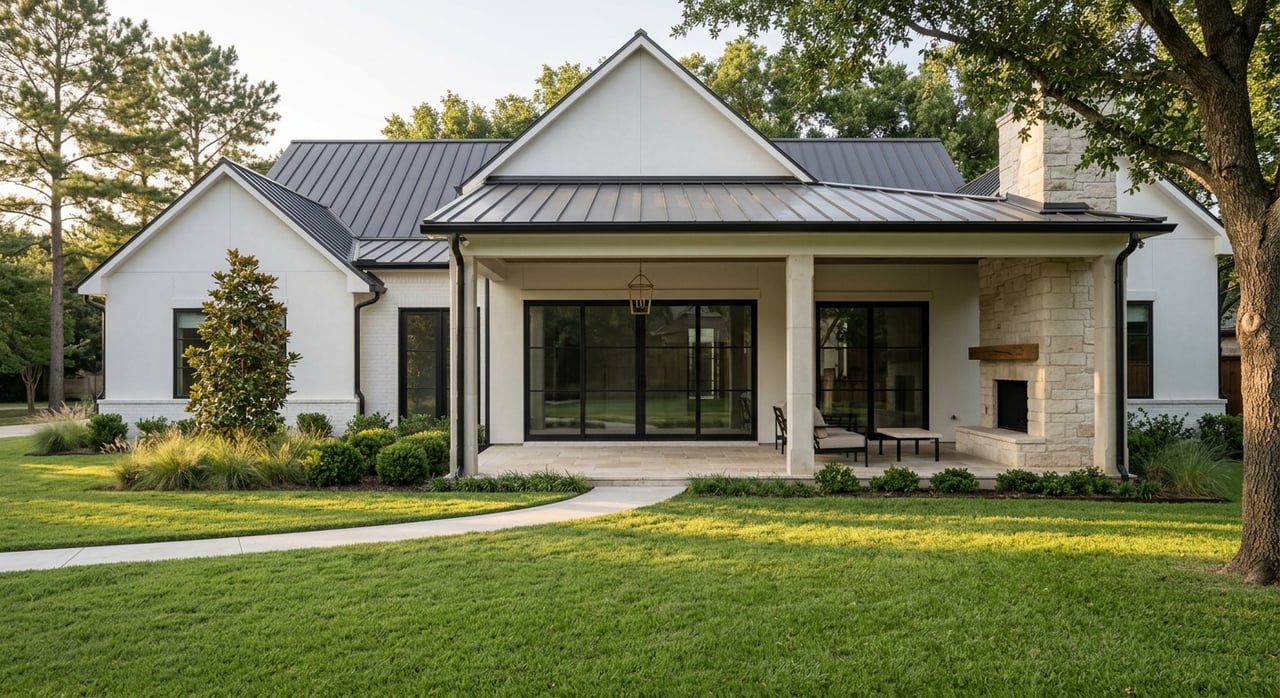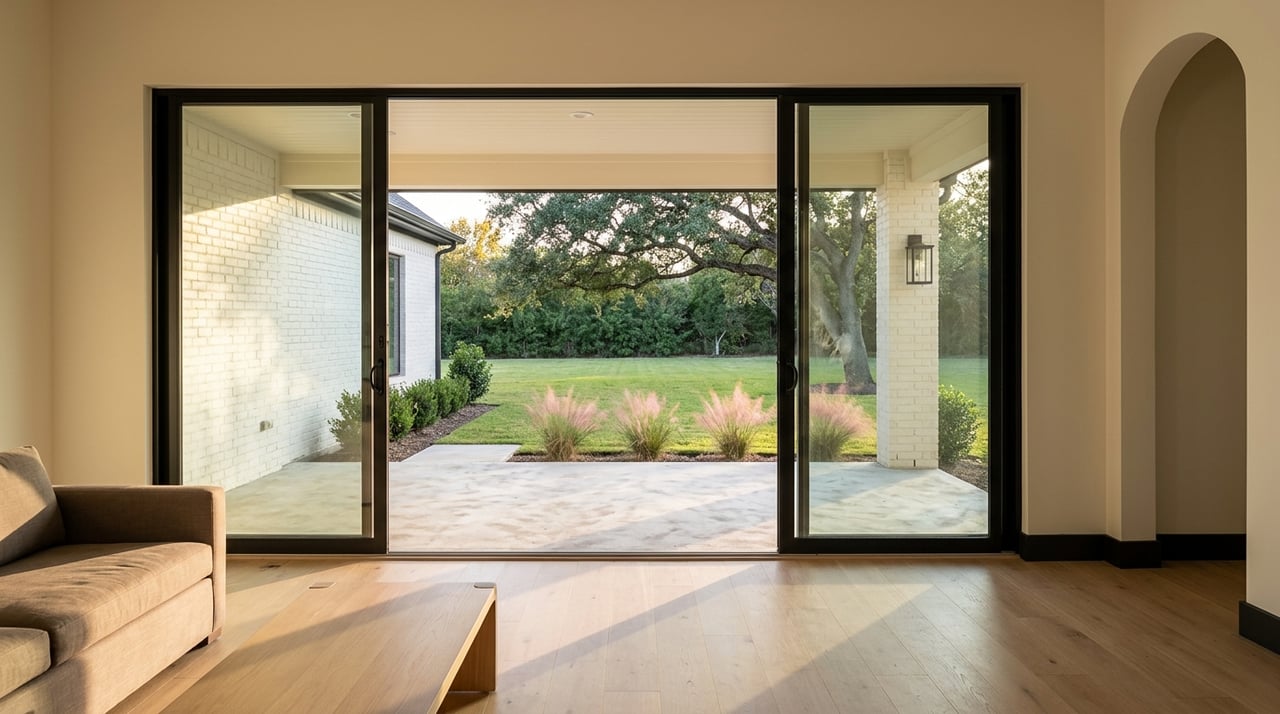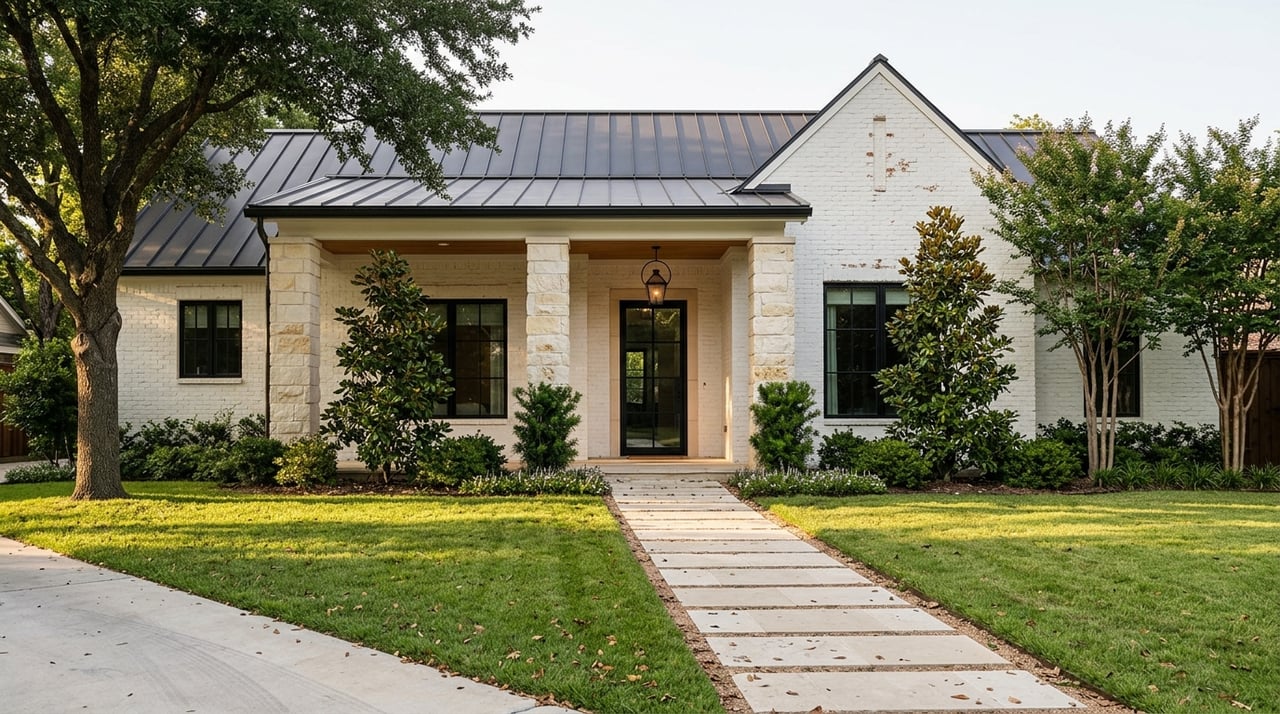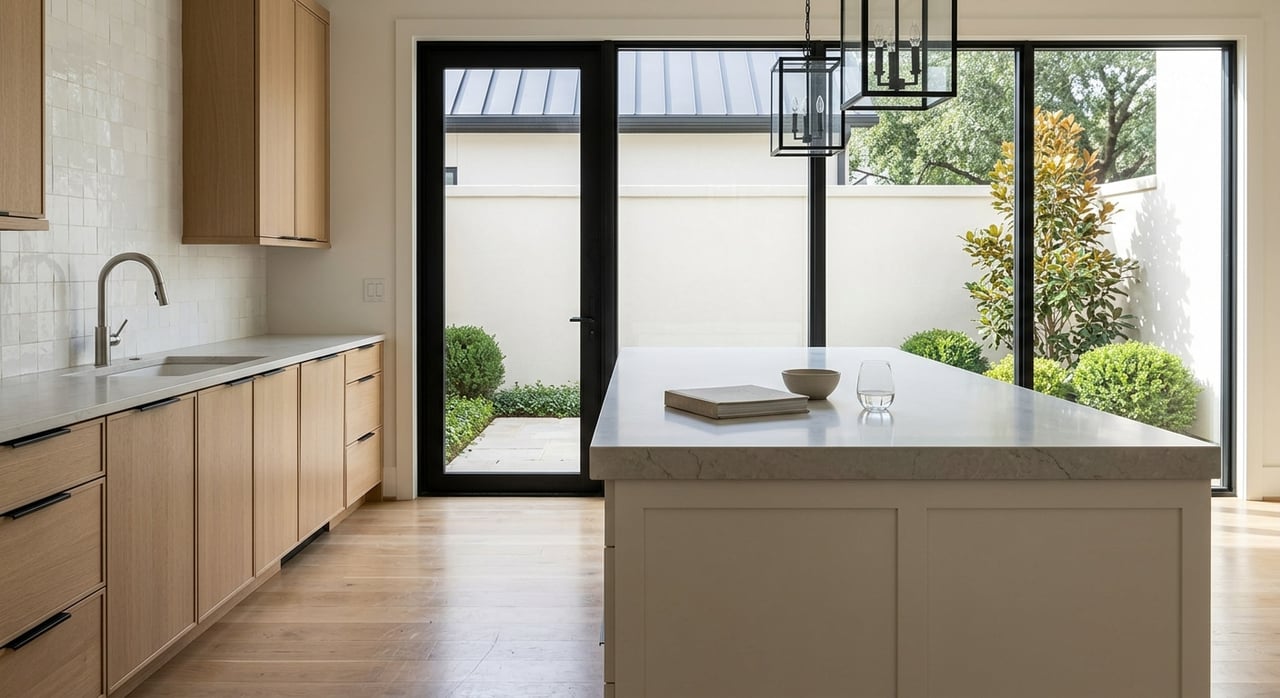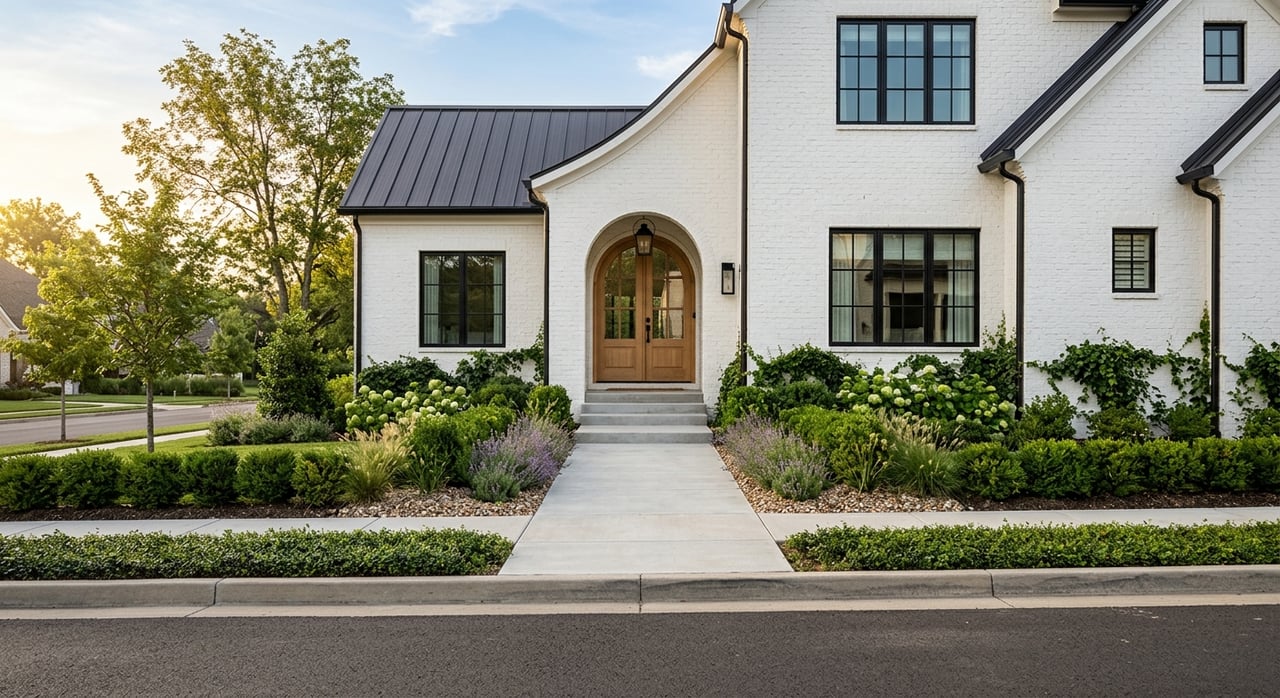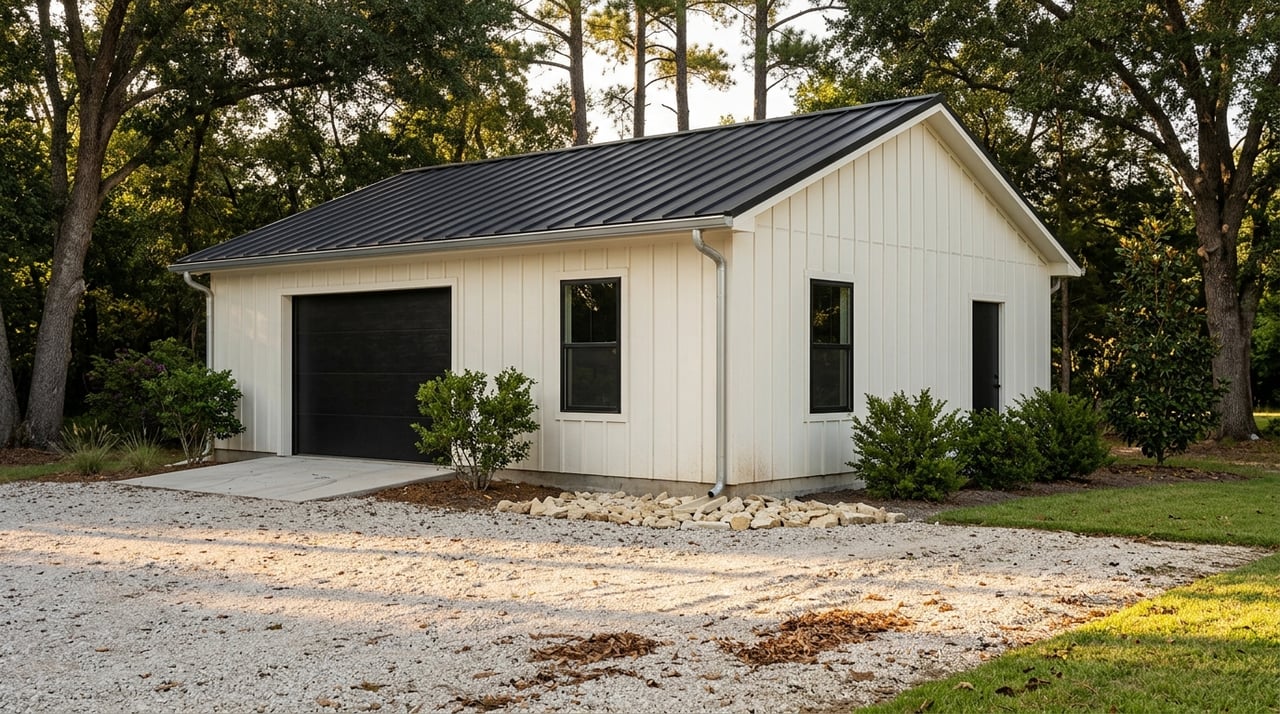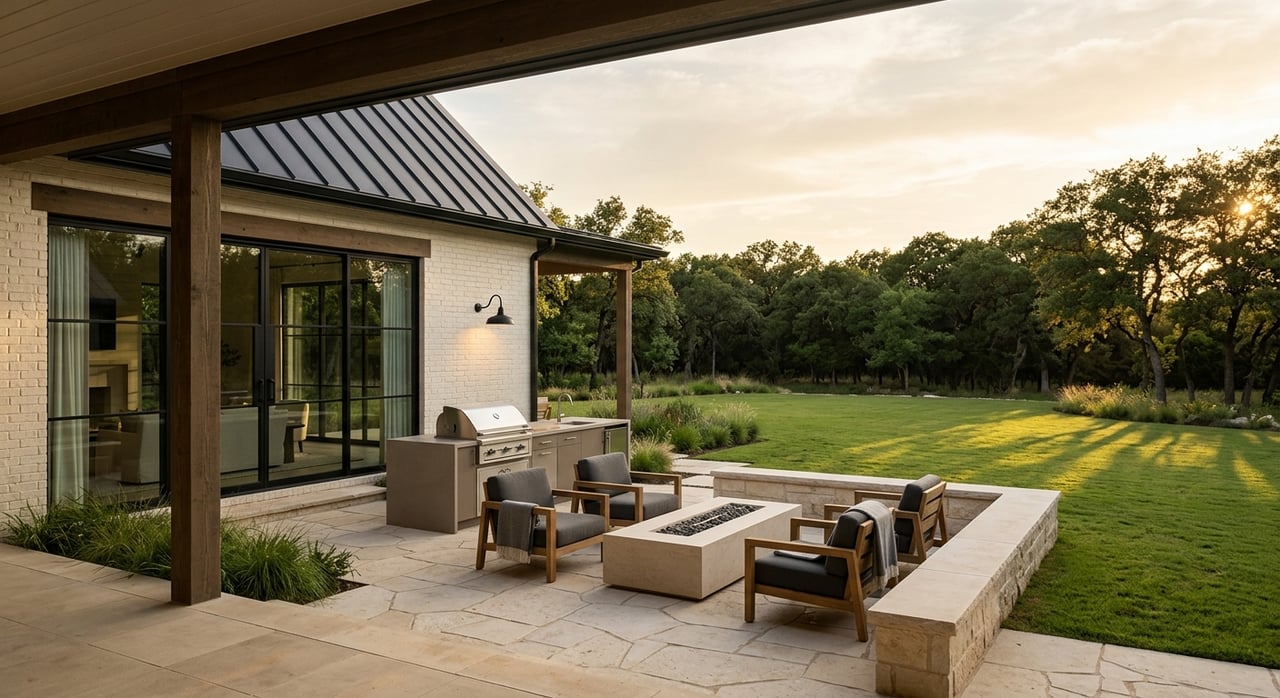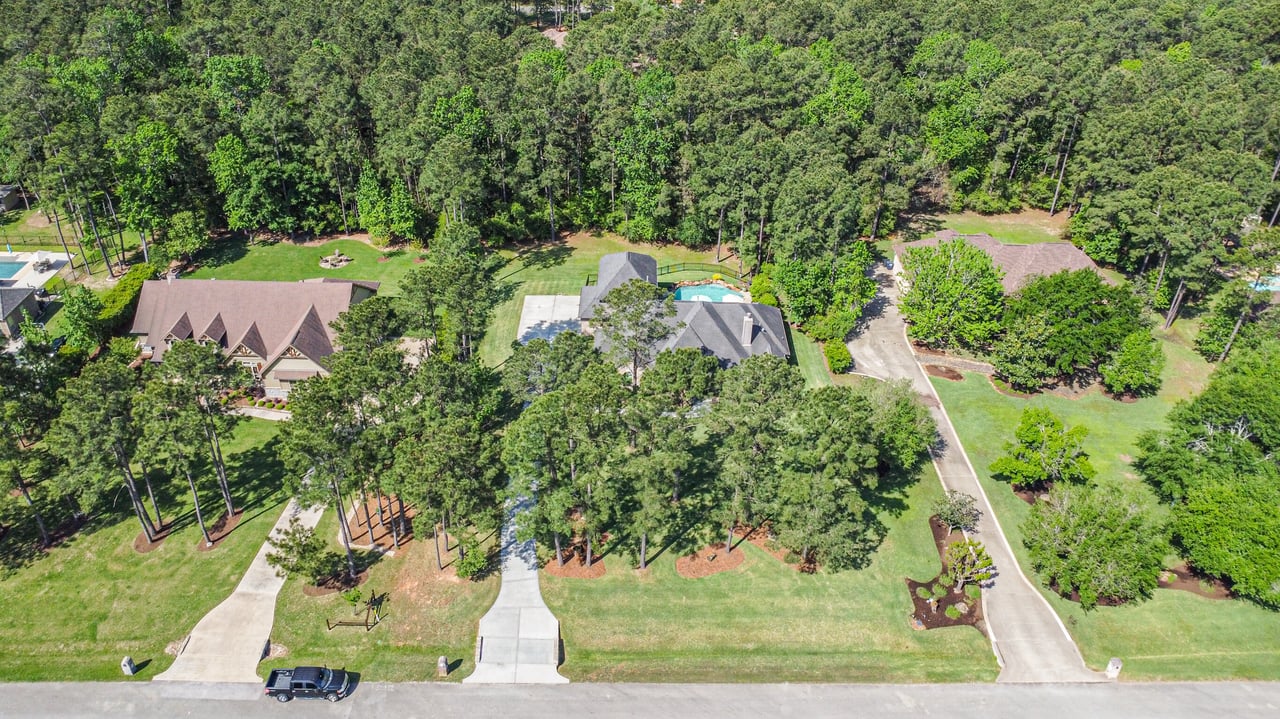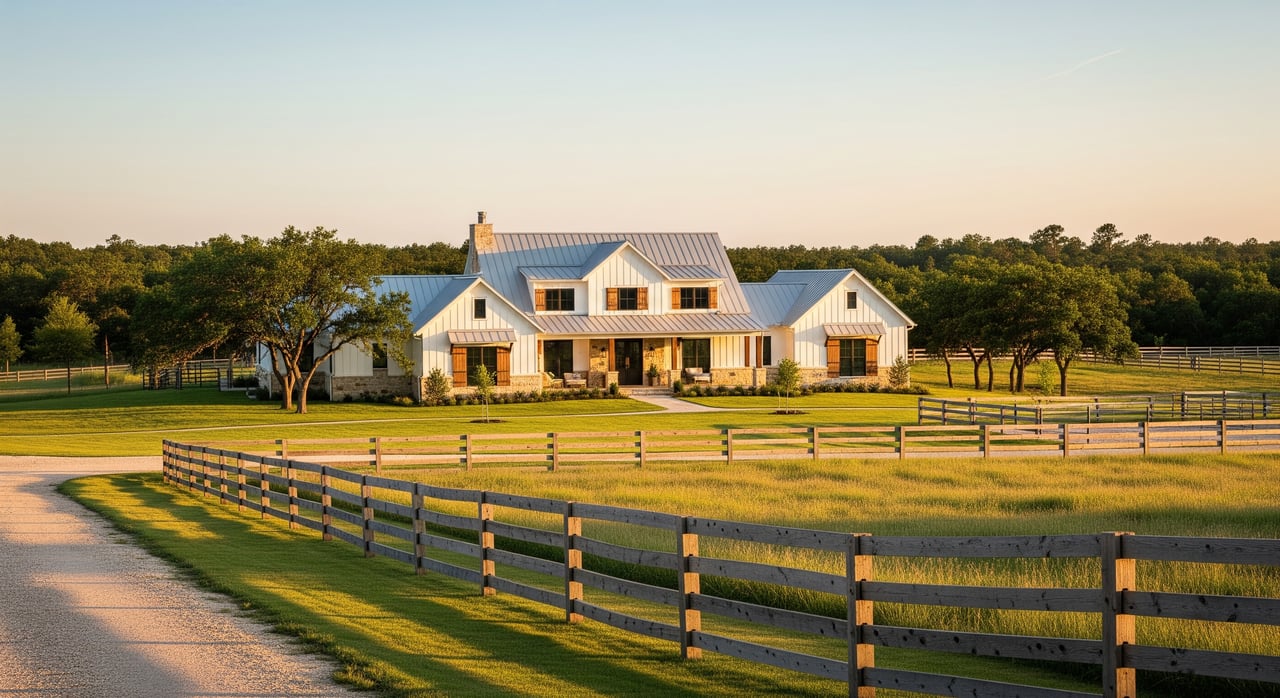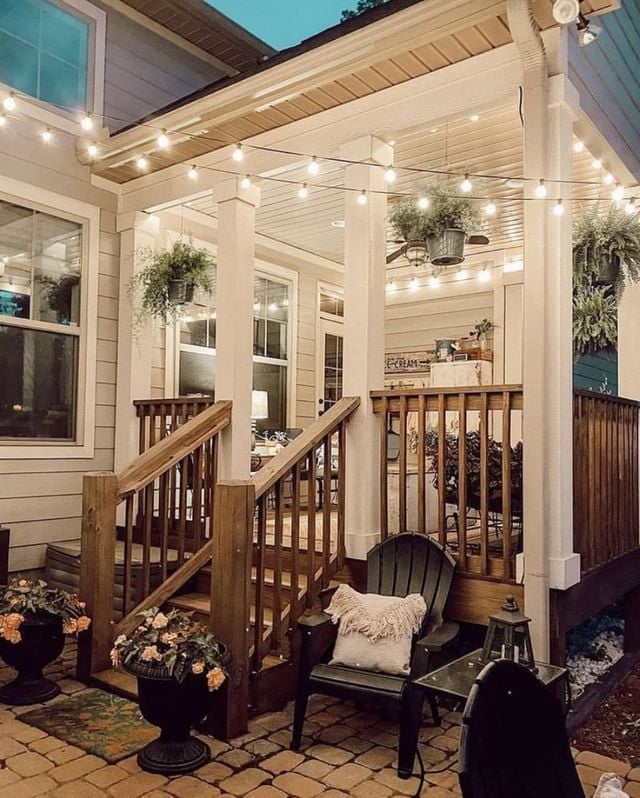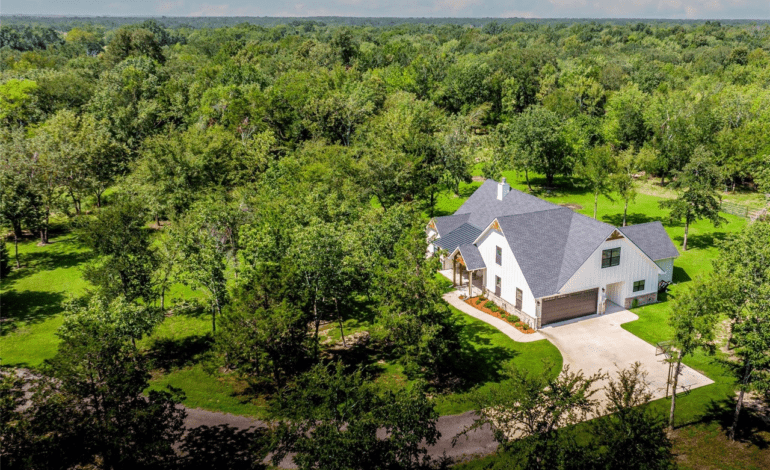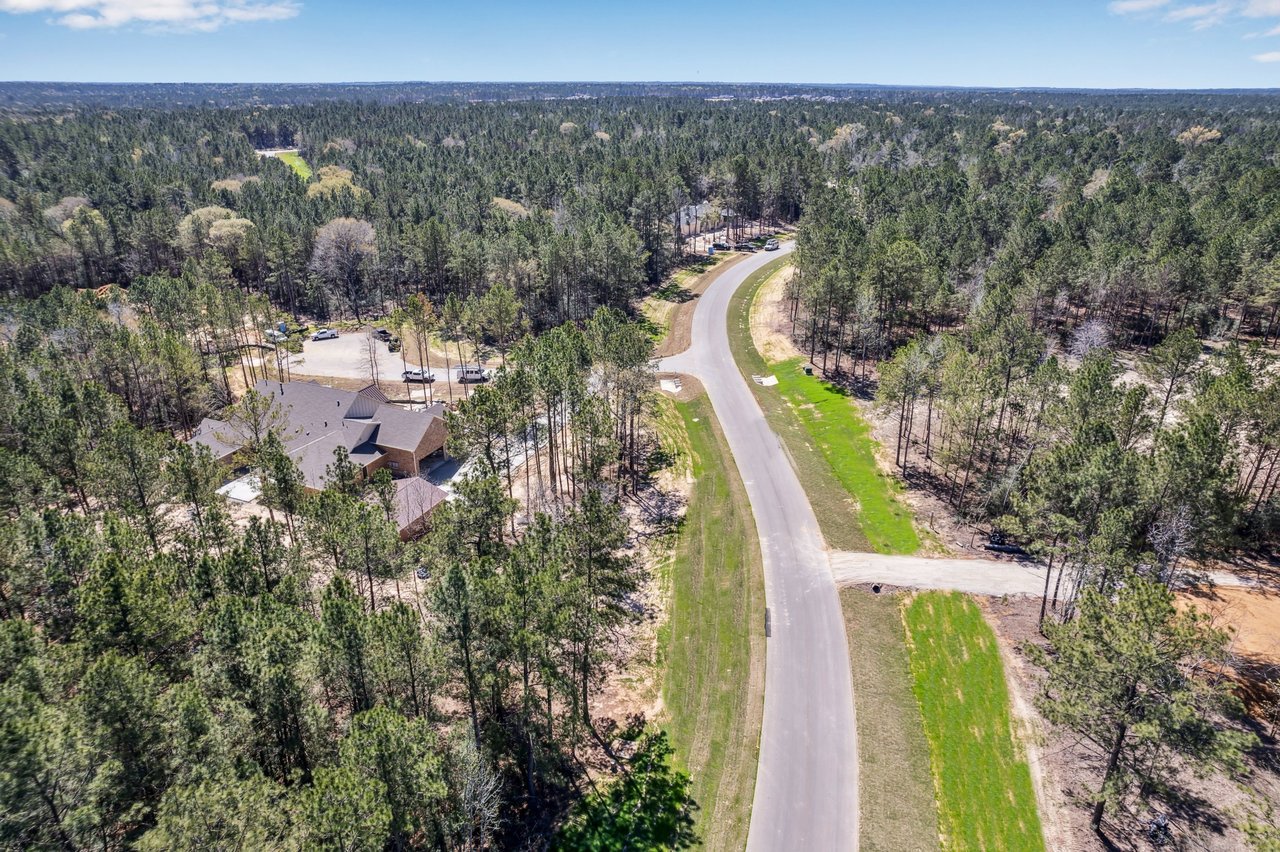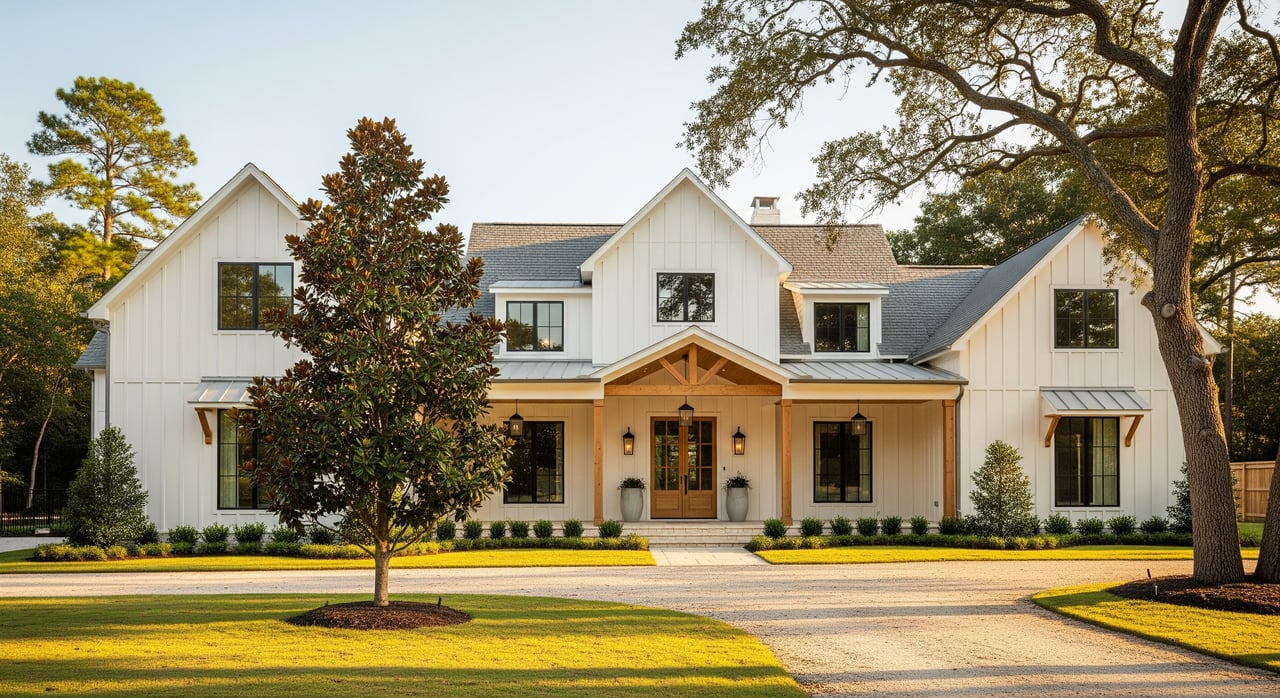
If you love tall trees, privacy, and room to breathe, The Village at High Meadow may be exactly what you’re after. On 1-plus acre lots with a golf-and-trails lifestyle, you can either design a custom build or shop the resale market. The right choice depends on your timeline, budget, and how much control you want over design. In this guide, you’ll learn how building works here, what the HOA requires, what resale homes typically look like, and the steps to move forward with confidence. Let’s dive in.
Quick community snapshot
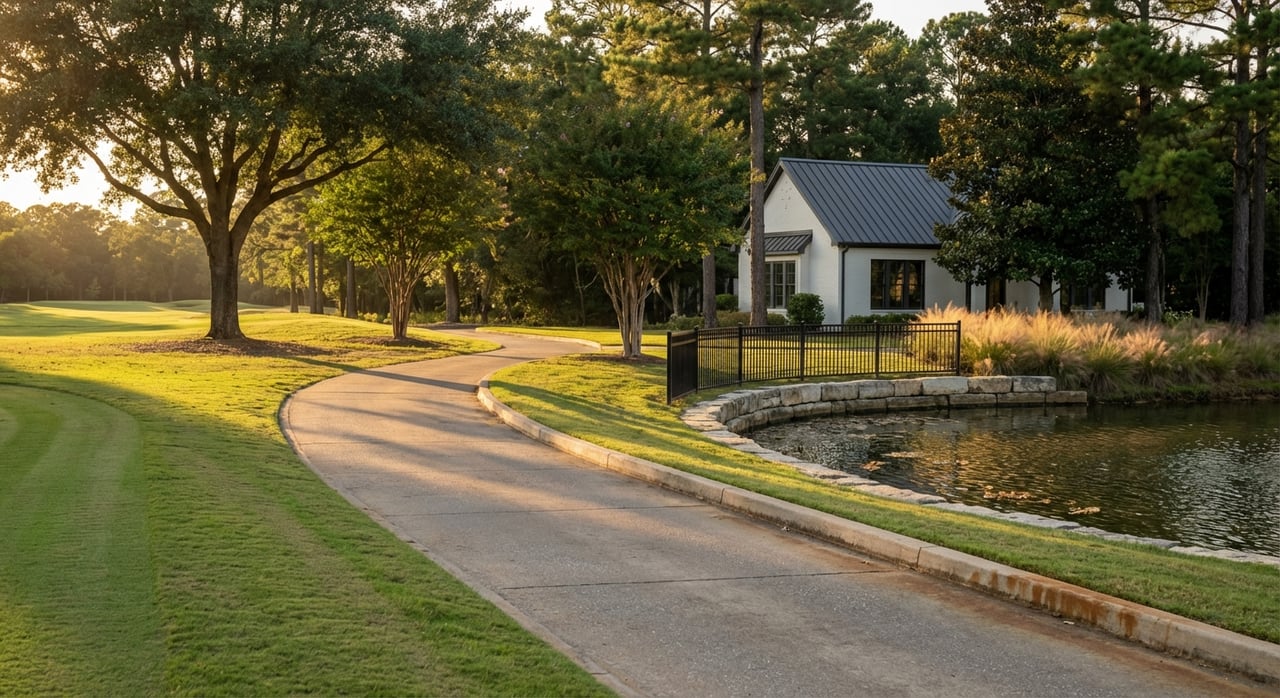
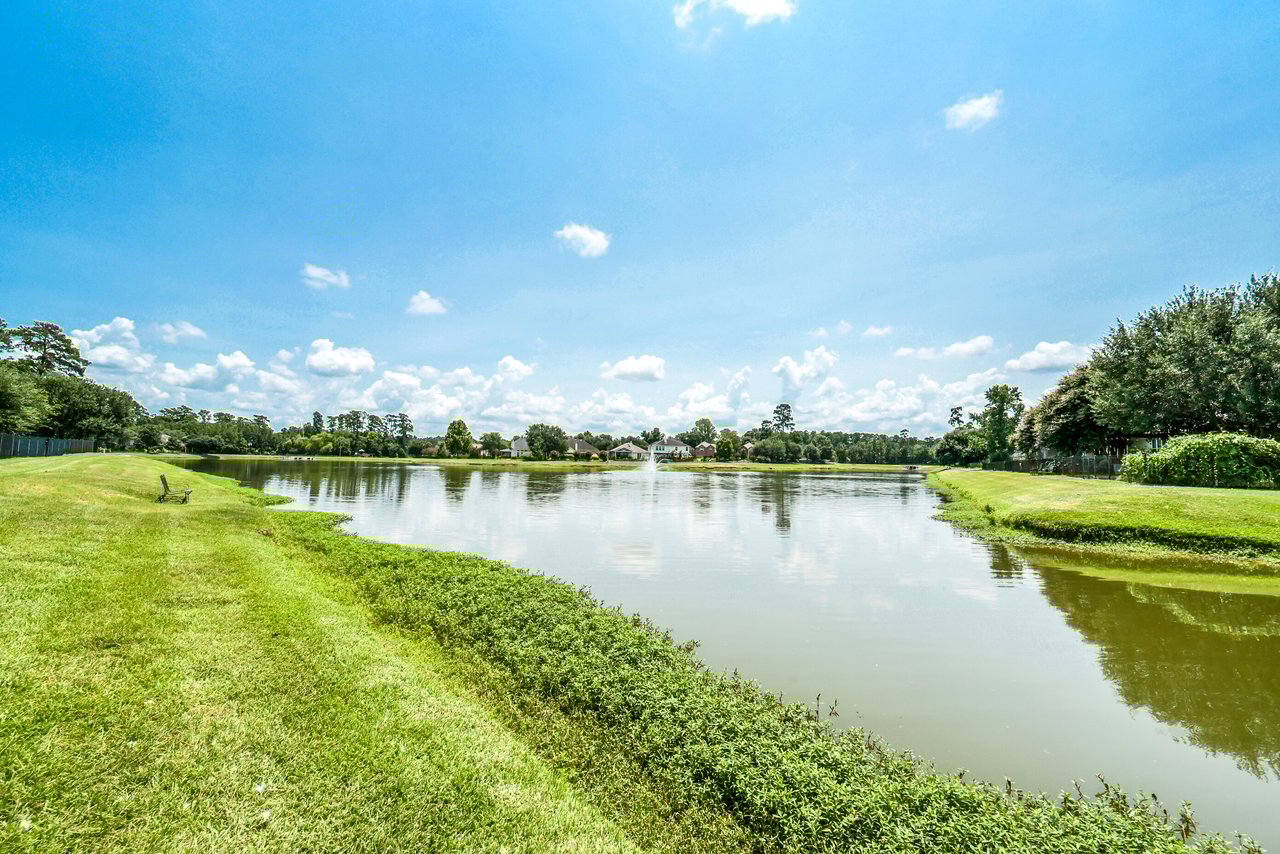
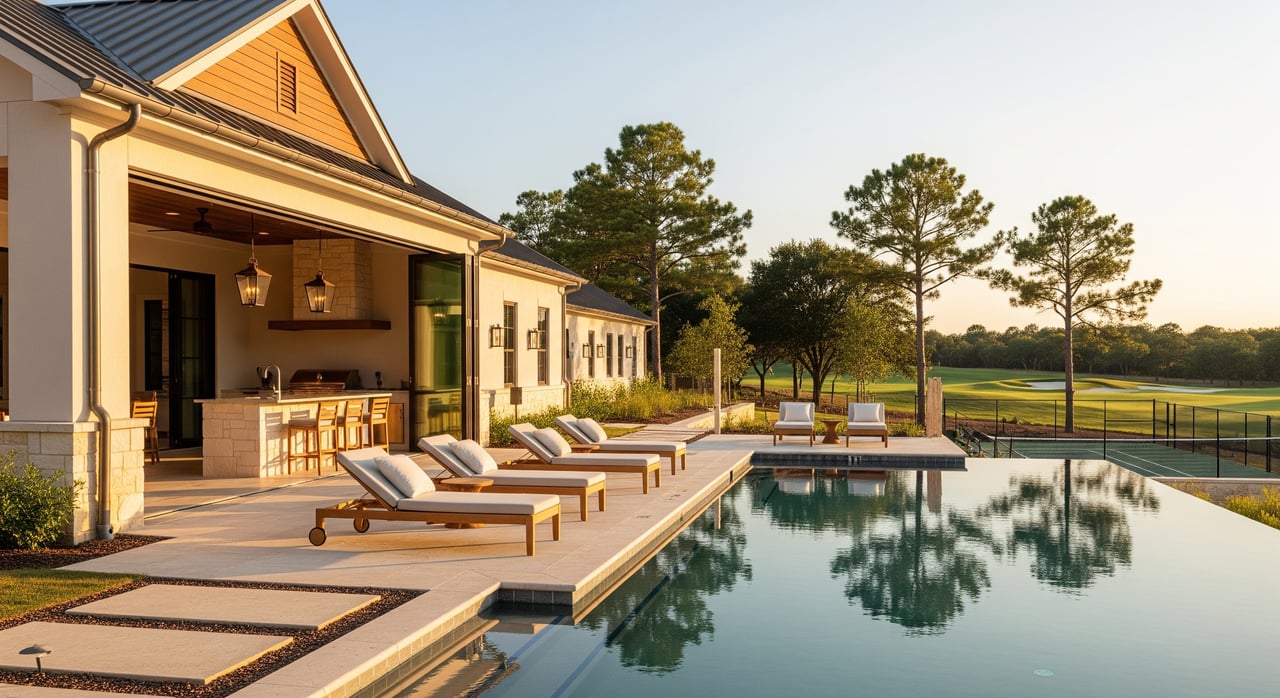
The Village at High Meadow offers a pool, splash pad, pavilion, tennis and pickleball courts, nearby golf, and walking trails. You get a true acreage feel with space between homes and access to community amenities. For amenity details, review the community’s overview on the official site for The Village at High Meadow.
Neighborhood data points help set expectations. According to the HAR neighborhood snapshot, the average list price is around $807,000, the median living area is about 3,789 square feet, and the median lot size is roughly 48,787 square feet, or about 1.12 acres. See the latest figures on the HAR neighborhood snapshot.
Build or buy: which fits you?
Why you might build
- You want to design for the lot, preserve trees, and control orientation for light and views.
- You prefer modern systems, energy efficiency, and floor plans tailored to your life.
- You’re comfortable managing a longer timeline and the HOA’s process.
Why you might buy resale
- You want to move sooner and avoid a construction schedule.
- You like evaluating a finished home through inspections and maintenance records.
- You prefer price certainty over the variables of custom construction.
How building works here
Before any exterior work begins, you must submit plans to the Architectural Control Committee (ACC) and receive approval. The ACC provides a detailed builder packet, submittal checklists, and site rules such as erosion control, dumpster placement, and work hours. Get familiar with the ACC process and downloads on the ACC page.
One rule stands out: the recorded Amended Declaration requires you to complete construction within 12 months of commencement. If you do not complete the build and apply for a Certificate of Occupancy in that period, you may face enforcement actions and fines. Review the exact language in the Amended Declaration. Always verify the governing documents for your specific section on the Deed Restrictions page.
Permitting depends on your lot’s location. Some lots fall under Montgomery County, while others may be inside City of Magnolia jurisdiction. Confirm early because jurisdiction affects permits, inspections, and timing.
Builder market and timelines
This is primarily a custom and semi-custom market. You will find local builders who work in the High Meadow area, and many land listings mention bring-your-own-builder, subject to ACC approval. For examples of builder presence, see where regional firms operate on Dunn & Stone’s community list.
Timelines vary by size and complexity. Production-style builds can be faster, but custom homes commonly take 6 to 12-plus months. In The Village at High Meadow, you must align your plan with the 12-month completion rule, so schedule buffers for permitting, weather, and materials are essential. Learn more about build stages and timing from Dunn & Stone’s timeline guide.
Cost factors to budget
Custom pricing in the greater Houston area often starts in the mid-$200s per square foot and increases with finishes and complexity. Site-specific items can move the budget, including lot clearing, grading, engineered foundations, and utility setup. Include allowances for cabinets, flooring, and appliances, and ask your builder for recent comparable budgets and a detailed inclusions list. For a helpful overview of what affects timelines and costs, review this builder’s knowledge center.
Buying resale in The Village at High Meadow
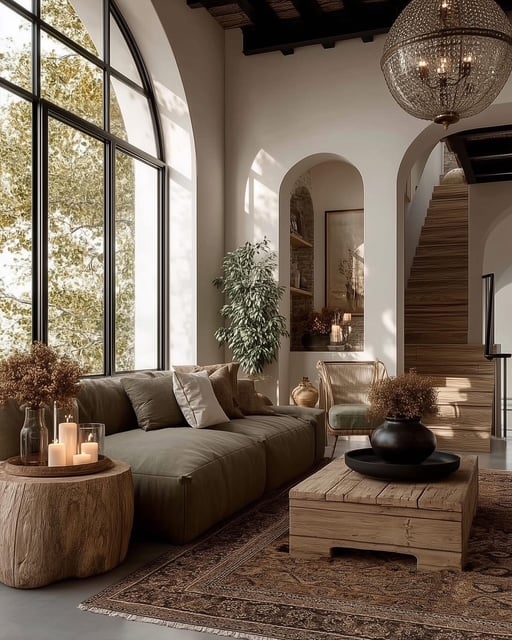
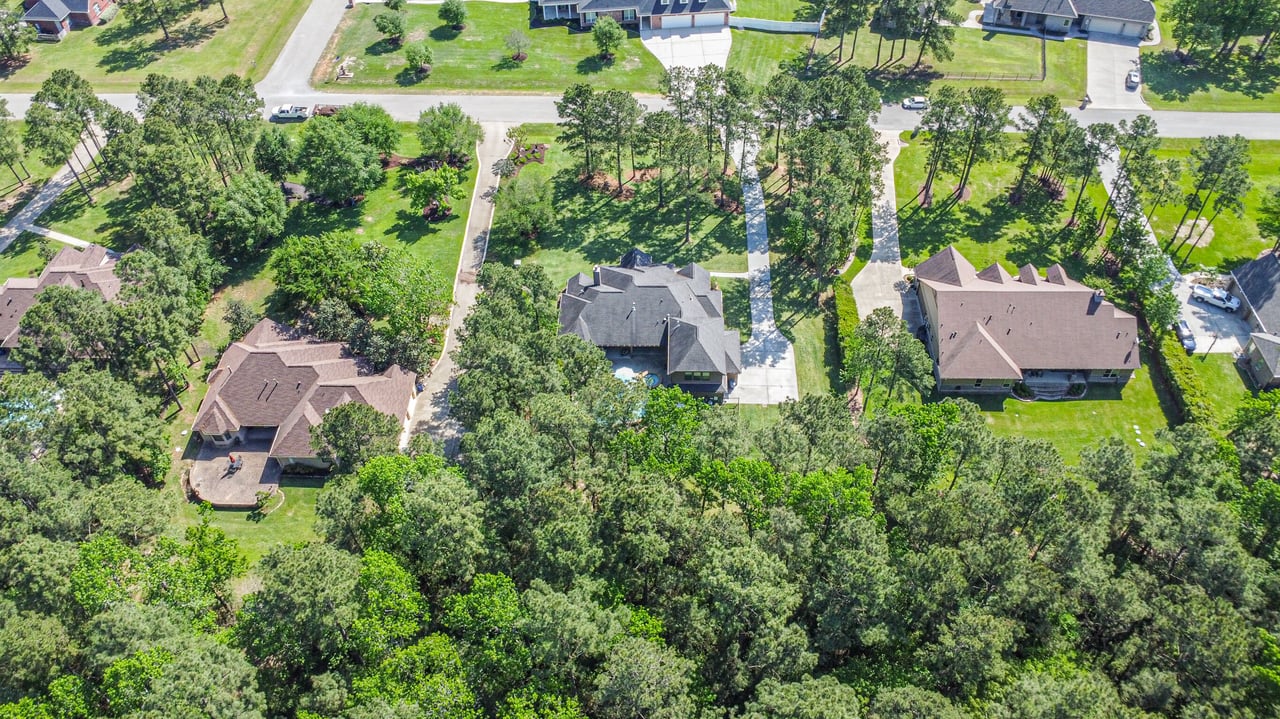
Resale homes here tend to be larger homes on 1-plus acre lots. Inventory can be limited due to the community’s low density, so desirable listings may draw strong interest. Inspections, surveys, and a close review of HOA compliance are important.
Before you write an offer, ask for the precise CCR section for the property, any open ACC items, and a current estoppel letter. The association posts key documents and policy PDFs on the Deed Restrictions page. Utilities vary by lot, with some homes on public water or wells and some on septic. Confirm the property’s water, sewer, gas, and electric service before you finalize terms.
Financing your path
If you build, you will likely use a construction-to-permanent loan or a two-close construction loan. These loans fund in draws tied to milestones and may require larger down payments and stricter underwriting. Get familiar with how draw schedules, inspections, and interest-only periods work using this construction loan primer. If you buy resale, a standard purchase mortgage usually applies.
Lot utilities and site prep checklist
Use this quick list to protect your budget and timeline:
- Verify water and sewer: public service vs well and septic. Confirm permits and any maintenance records for septic.
- Order a survey to confirm boundaries, easements, and building lines.
- Get a geotechnical/soil report to guide foundation design and estimate site prep.
- Check FEMA flood status and drainage patterns that could affect grading.
- Confirm permit jurisdiction and required inspections for your exact lot.
- Identify utility providers for electric, gas, and internet early.
Smart next steps
- Download your section’s CCRs and the ACC Builder Packet. Start with the Deed Restrictions page and the ACC page.
- Read the 12-month completion clause in the Amended Declaration and confirm your builder will comply in writing.
- Confirm utilities for any lot or home you are considering and review all available permits and records.
- Order a survey and soil report before you finalize a build contract.
- If building, request a milestone schedule, ACC submittal plan, and contingency buffers.
- If financing, speak with lenders about construction-to-permanent options and draw requirements using this construction loan overview.
If you’re weighing build versus buy in The Village at High Meadow, I’m here to help you compare options and move at your pace. From mapping utilities and documents to lining up showings or builder interviews, I’ll make the process clear and manageable. Reach out to schedule a friendly consult with Tiffany Dixon.
FAQs
What is the HOA’s build timeline rule in The Village at High Meadow?
- The recorded Amended Declaration requires you to complete construction and apply for a Certificate of Occupancy within 12 months of commencement; review the language in the Amended Declaration.
How large are typical lots and homes in The Village at High Meadow?
- Median lot size is about 48,787 square feet (about 1.12 acres) and median living area is around 3,789 square feet, with an average list price near $807,000 per the HAR neighborhood snapshot.
Do I need ACC approval before building or exterior changes?
- Yes. All exterior improvements, including new homes, must be approved by the ACC before work starts; see submittal steps on the ACC page.
How long does a custom build usually take in this area?
- Many custom builds take 6 to 12-plus months depending on size and complexity, but your schedule must align with the HOA’s 12-month completion requirement; see this timeline guide and confirm against the Amended Declaration.
What financing is common if I plan to build in Montgomery or Magnolia?
- Many buyers use construction-to-permanent loans with draws tied to milestones and stricter underwriting; learn the basics in this construction loan primer.
What amenities does The Village at High Meadow offer?
- The community offers a pool, splash pad, pavilion, tennis and pickleball courts, nearby golf, and trails; see the overview on the official community site.