Thinking about trading The Woodlands for a little more elbow room in Magnolia? It can be a smart move if you want more land, more privacy, and a different pace of daily life. But acreage living comes with real differences in commute patterns, utilities, taxes, and day-to-day upkeep. If you are considering the move, this guide will help you understand what changes to expect and what to verify before you buy. Let’s dive in.
The lifestyle shift is bigger than it looks
Moving from The Woodlands to Magnolia acreage is not just a change of address. It is often a shift from a centralized, master-planned setting to a more spread-out, property-specific way of living.
The Woodlands is a 28,500-acre master-planned community about 27 miles north of downtown Houston. Its community facts sheet highlights 151 parks, 220 miles of pathways, 1,870 acres of forest preserve, 23 public schools, and 12 private schools. That creates a more amenity-rich, centrally managed feel that many residents get used to.
Magnolia ISD describes Magnolia as about 45 miles north of Houston and west of The Woodlands, which helps frame what this move often means in practical terms. You may gain more space, but you will also become more dependent on driving, major road corridors, and address-by-address verification of services. In short, Magnolia acreage can offer more room to breathe, but less of the built-in convenience many Woodlands homeowners know well.
What you may gain in Magnolia acreage
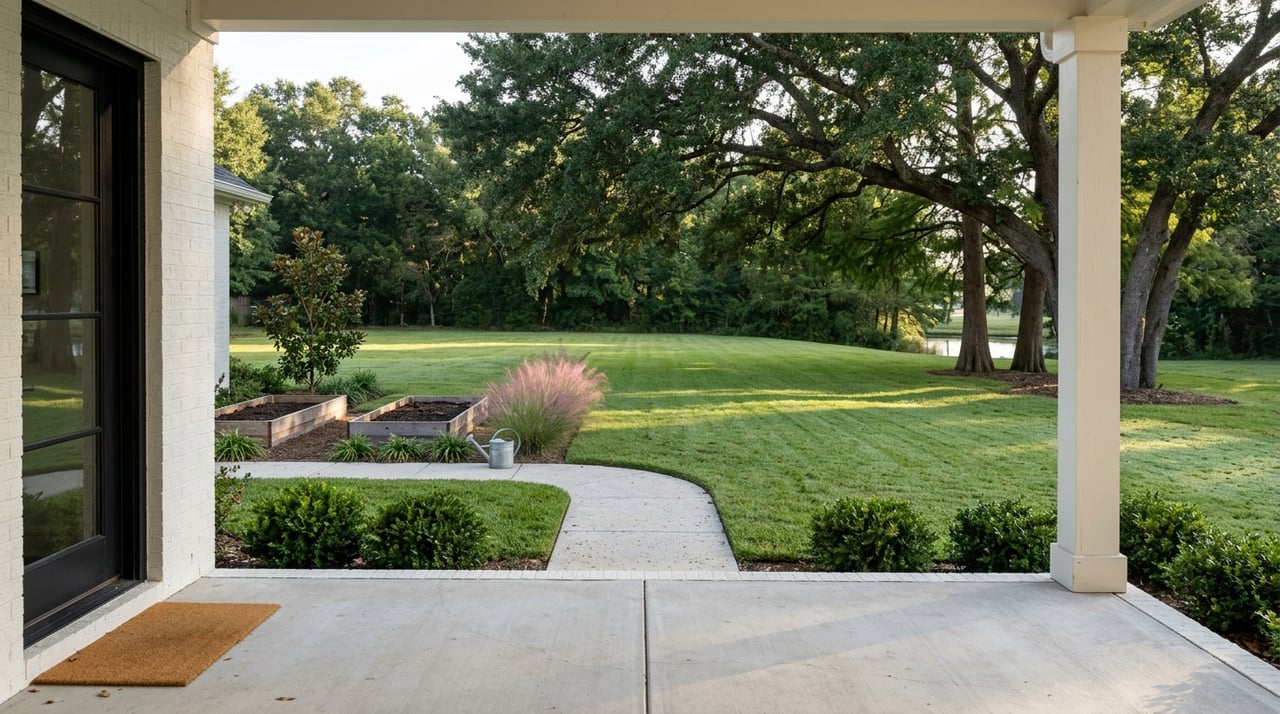
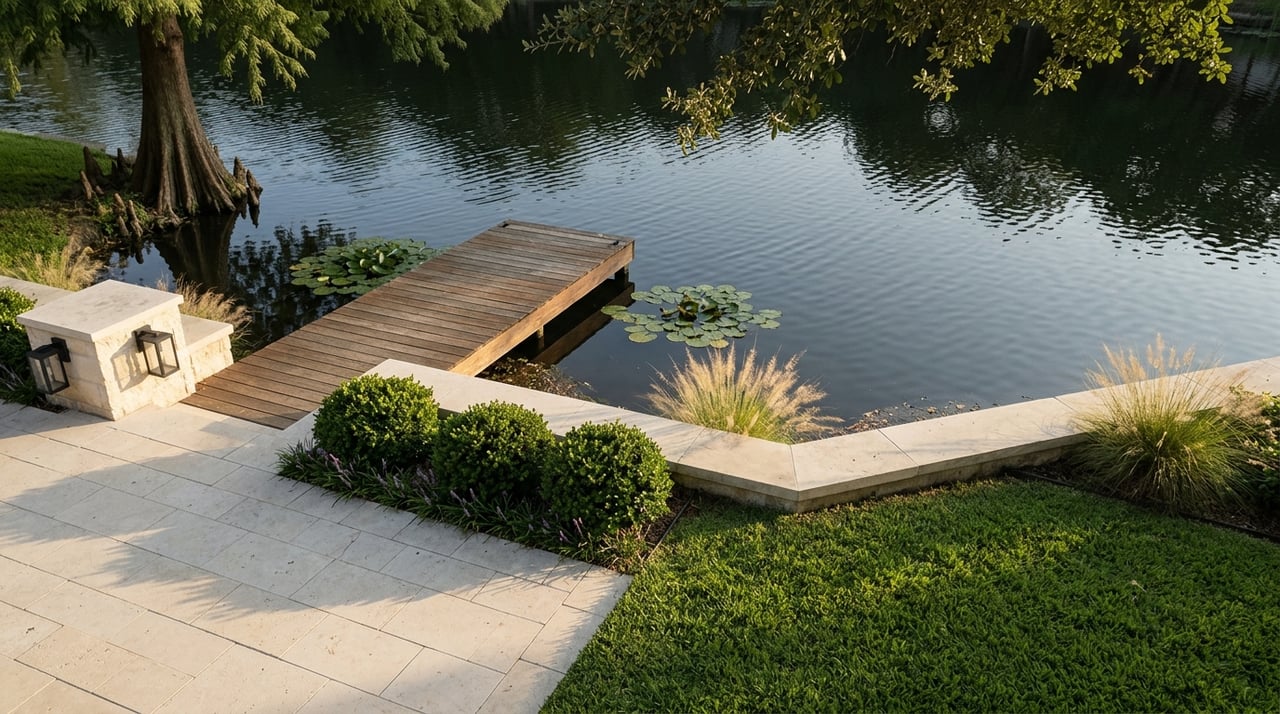
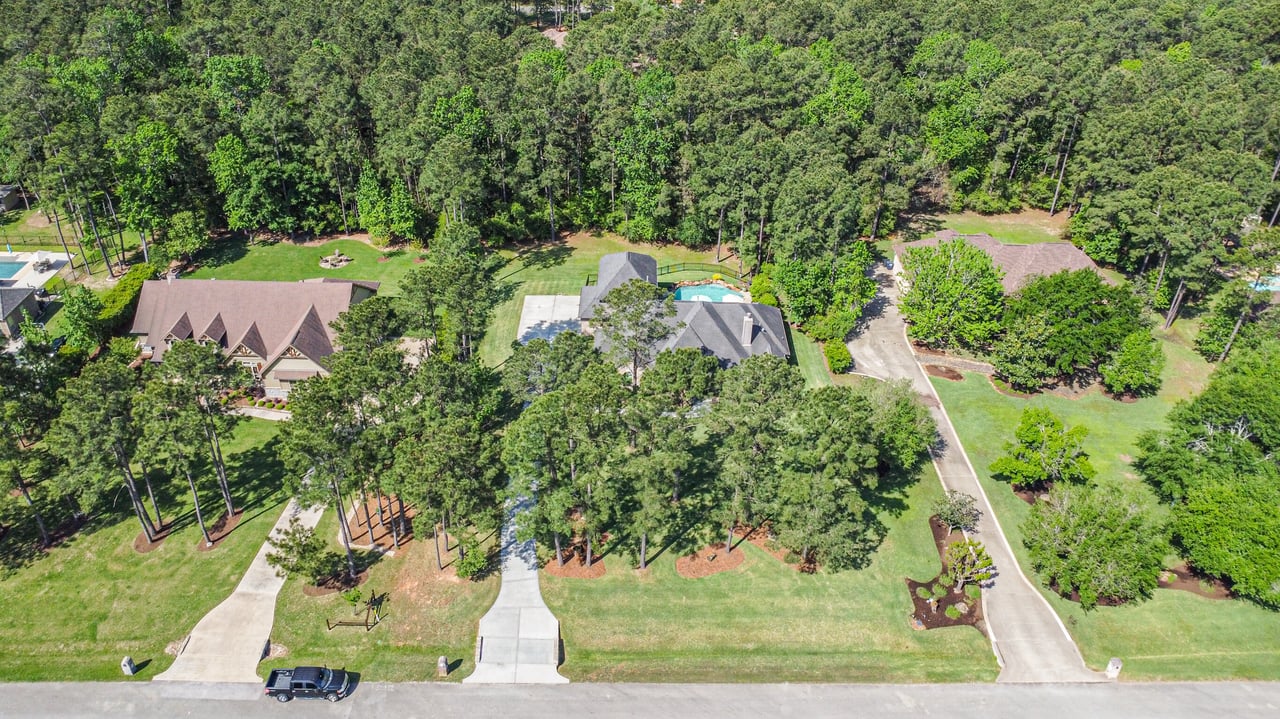
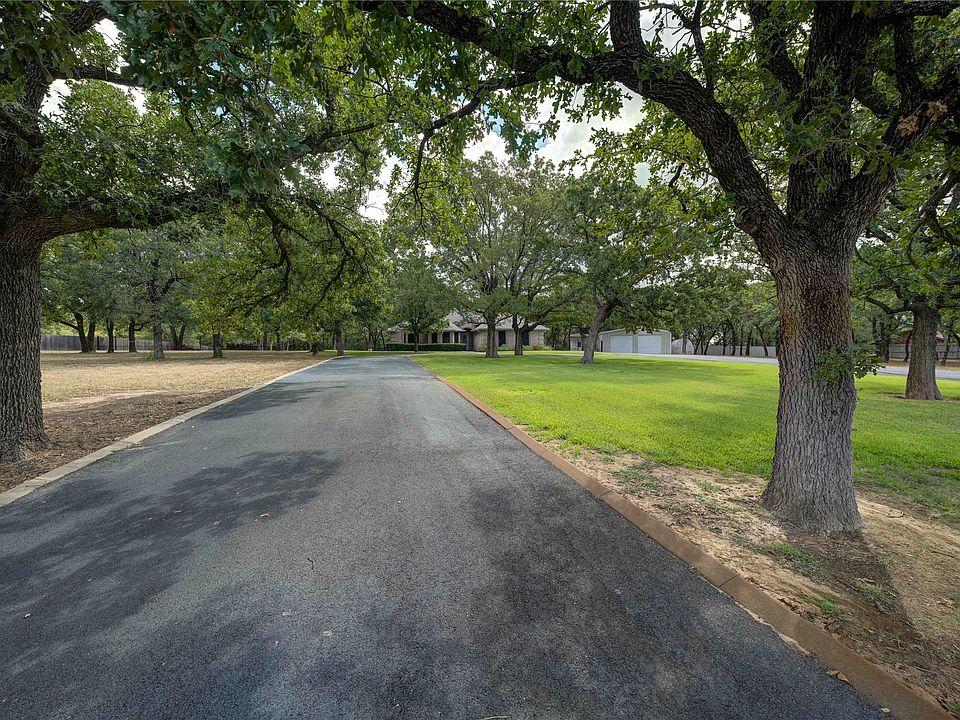
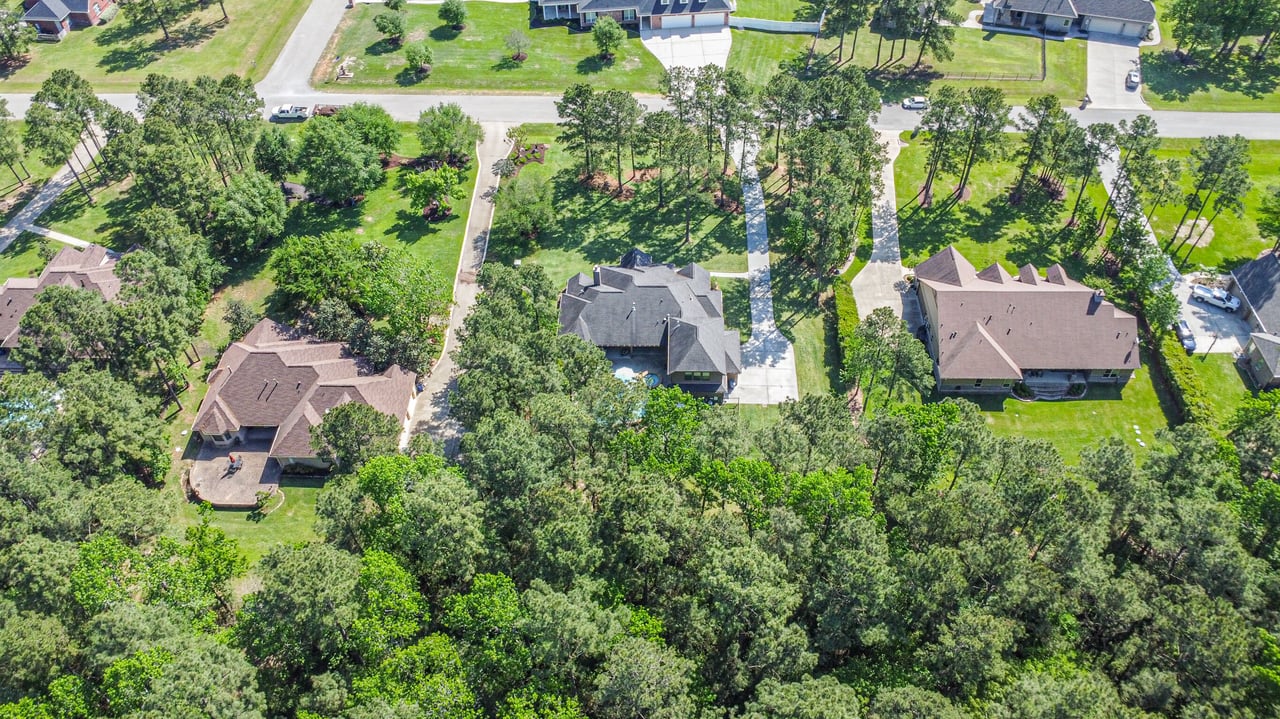
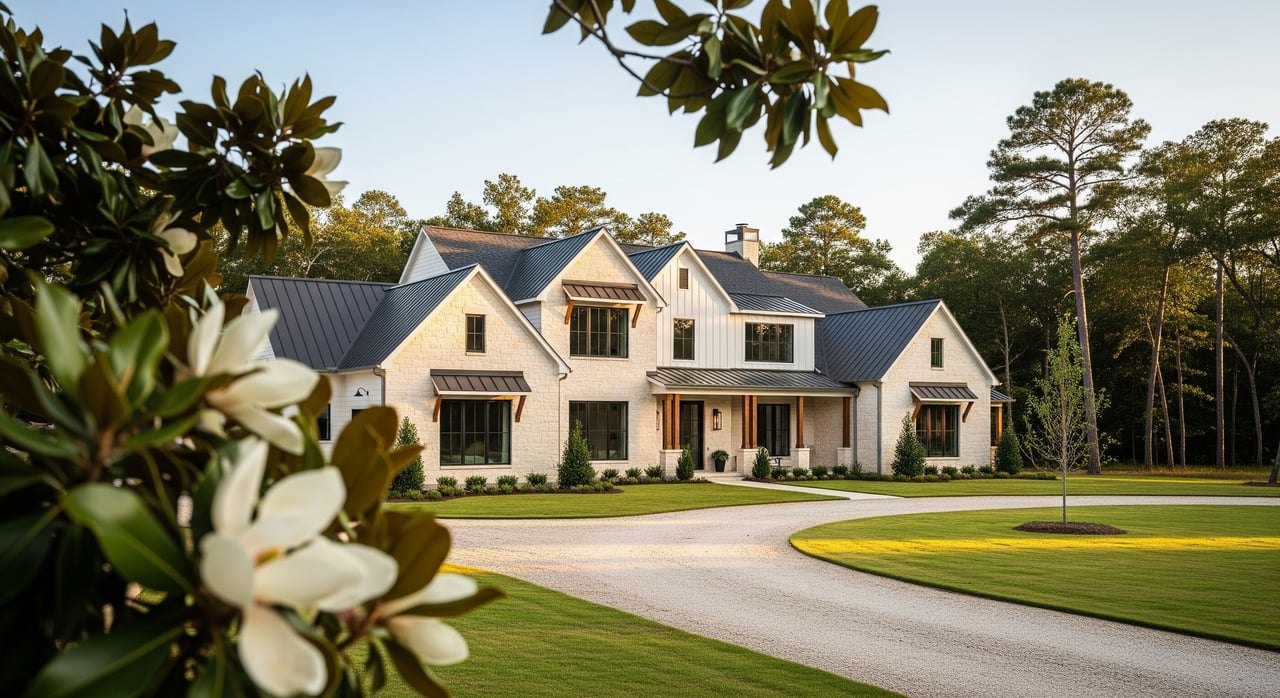
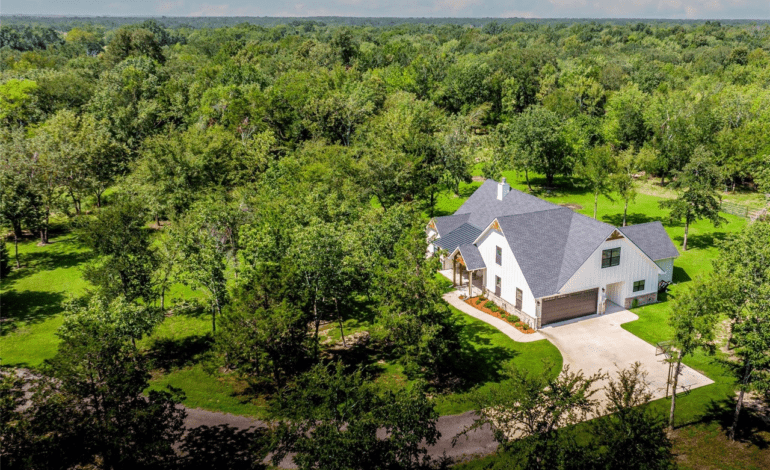
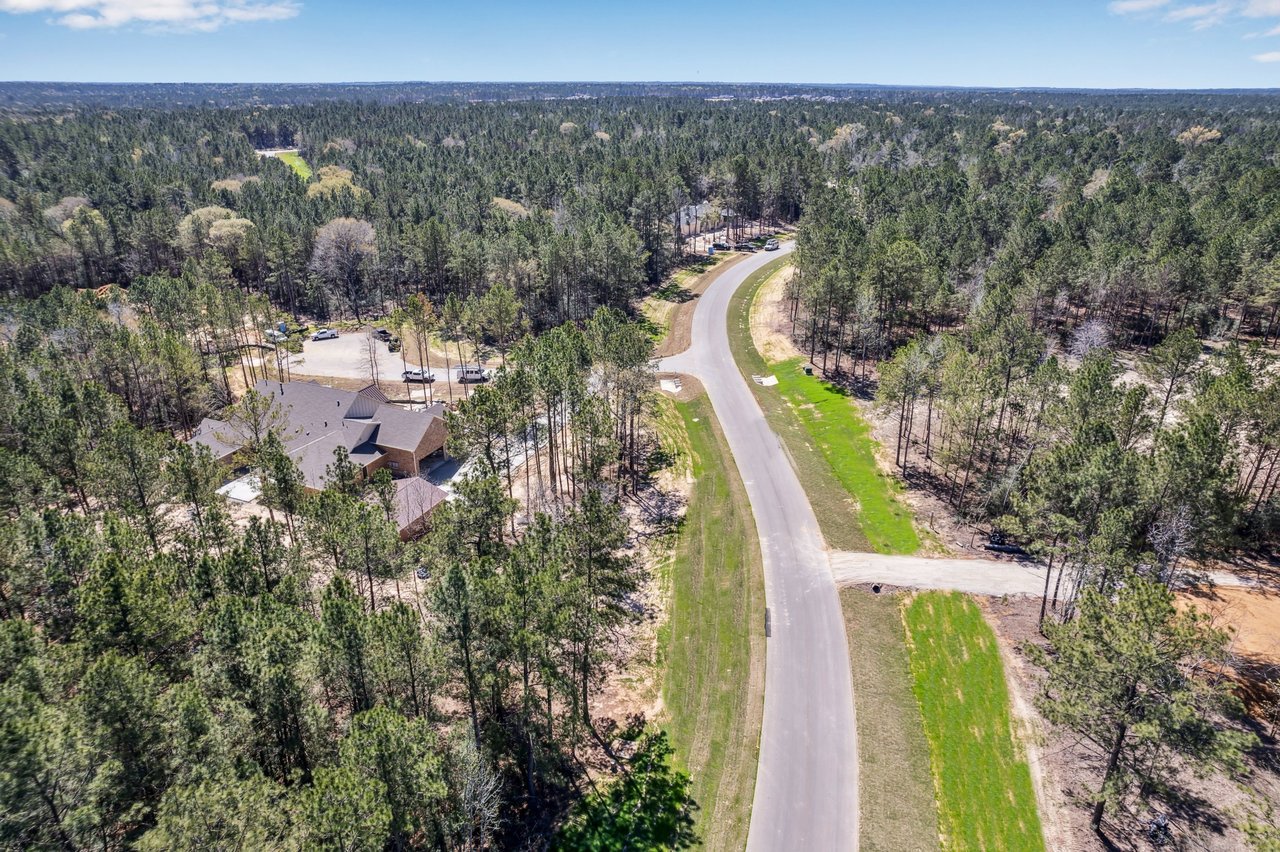
For many buyers, the biggest reason to make this move is simple: space and privacy. That can mean a larger homesite, more distance between neighbors, mature trees, and more flexibility in how you use your property.
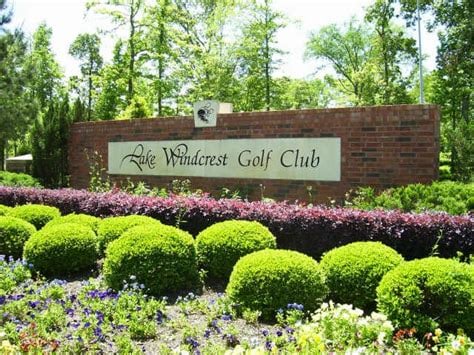
The Magnolia area also includes communities that show what acreage living can look like in different forms. High Meadow Ranch and High Meadow Development communities reflect the area’s country setting in southwest Montgomery County. Indigo Lake Estates describes itself as a deed-restricted acreage community about 3 miles south of Magnolia, with a POA portal for ACC applications, community center rentals, budgets, and more. Lake Windcrest is identified in Magnolia ISD materials as a distinct community with its own school zoning pattern.
That variety matters. Not every Magnolia acreage property feels the same, and not every community offers the same level of structure, amenities, or oversight.
What you may give up
The tradeoff for more land is usually less centralized convenience. In The Woodlands, many amenities are part of the larger community framework. In Magnolia acreage, your experience can depend much more on your specific property and your exact location.
That affects everything from your drive to the grocery store to how your home handles water, sewer, and internet. It also means more of your lifestyle may be shaped by private governance, deed restrictions, or your own maintenance responsibilities instead of a highly planned township environment.
Utilities need closer review
One of the biggest surprises for buyers moving out of The Woodlands is that acreage living often requires more due diligence on utilities and infrastructure. You cannot assume two nearby properties work the same way.
The Woodlands Township utility page explains that the township itself does not provide utility services. Electric service may vary by address, while water and sewer can be handled through different providers and districts. Inside The Woodlands, the service network is still more centralized than what many acreage buyers will find farther west.
In Magnolia acreage, the first question is often whether a property uses public sewer, septic, or a private well. According to Montgomery County’s development packet, if public sewer is not available, the owner must apply for a septic permit. The Texas Commission on Environmental Quality states that onsite sewage facilities must be designed around a site evaluation, require permitting, and generally need pumping every three to five years.
If a home relies on a private well, the Texas Water Development Board notes that Texas does not regulate private-well water quality, and the owner is responsible for addressing any issues. That does not mean a well or septic system is a problem. It just means you should go in with clear expectations about testing, maintenance, and long-term costs.
Taxes are more address-specific
Buyers moving from The Woodlands are often used to thinking in terms of community branding. In Magnolia acreage, taxes are much more property-specific.
The Woodlands Township lists its 2025 adopted property tax rate at $0.1714 per $100 of valuation. Magnolia ISD lists a current school tax rate of $0.9595 per $100 and explains that the rate includes M&O and I&S components. But your actual tax picture in Magnolia can vary based on county lines, school zoning, special districts, and any exemptions tied to the property.
A good example is High Meadow Estates, which advertises underground electric, water, natural gas, fiber optics, and no MUD tax. That does not mean overall taxes disappear. It does show how one Magnolia-area acreage community can have a different district-tax structure than another property nearby.
When you compare homes, it is smart to review the full tax profile for each address instead of assuming two acreage neighborhoods will carry similar costs.
Commutes become more route-dependent
If you are used to living in The Woodlands, your current routine may feel fairly connected to a large internal network of roads, services, and amenities. Magnolia acreage often works differently.
The Woodlands Township utility and community information also references commuter bus service, trolley service, Rodeo Express, and senior transportation. That highlights how many services are organized around a more centralized framework inside the township.
In Magnolia, your daily rhythm is more likely to revolve around key road corridors like FM 1488, FM 2978, and SH 249. TxDOT’s FM 2978 project information shows ongoing mobility work from Conroe-Hufsmith Road to FM 1488, and the area’s growth pattern continues to make route planning important. The main takeaway is simple: commute time is not just about distance. It is about traffic sensitivity, timing, and the exact route from your property.
School zoning should always be verified by address
If schools are part of your home search, this is one of the most important parts of your move. In Magnolia, nearby acreage communities can feed different campuses, so you should never assume school assignment based on a neighborhood name alone.
Magnolia ISD says it covers 150 square miles, serves more than 15,000 students, employs about 2,100 staff, and offers IB for juniors and seniors. The district also states on its attendance-zones guidance that map scaling can be misleading and advises families to verify school assignment by address through the district’s locator tools and MCAD.
The district’s 2025-2026 subdivision list gives a helpful snapshot of how this can vary. For example:
- High Meadow Ranch is zoned to Magnolia Elementary, Magnolia Junior High, and Magnolia West High School.
- Indigo Lake Estates is zoned to Nichols Sawmill Elementary, Magnolia Intermediate/Junior High, and Magnolia West High School.
- Lake Windcrest is zoned to Bear Branch Elementary, Magnolia Parkway Intermediate/Junior High, and Magnolia High School.
That kind of variation is normal in a large district. It is also why address-level verification matters before you make an offer.
Acreage living usually means more maintenance
More land can be a great lifestyle upgrade, but it often comes with more responsibility. That is especially true if the home has septic, a private well, long driveways, fencing, or larger areas to mow and maintain.
This is one of the clearest tradeoffs between The Woodlands and Magnolia acreage. In a master-planned environment, many systems feel more standardized. On acreage, your ownership experience may be more hands-on, and maintenance costs can vary widely from one property to the next.
That is not a downside for everyone. Many buyers see it as a fair trade for more independence and breathing room. The key is knowing what you are signing up for before you fall in love with the lot.
What to check before you buy
If you are serious about moving from The Woodlands to Magnolia acreage, focus on property-specific due diligence early in the process.
Here is a smart checklist to start with:
- Confirm whether the home uses public sewer, septic, or a private well.
- Review any available information on septic permits, site evaluations, or maintenance history.
- Verify utility availability, including electric, water, natural gas, and internet.
- Check the full tax structure for the exact address.
- Confirm school zoning directly by address through Magnolia ISD resources.
- Test likely commute routes during the times you would actually drive them.
- Review deed restrictions, POA requirements, or ACC processes if the property is in a governed community.
Acreage buying is less about broad assumptions and more about careful verification. That is where local guidance can save you time and stress.
Is the move worth it?
For many buyers, yes. If you want more land, more privacy, and a home that feels less compressed than life in a master-planned community, Magnolia acreage can be a strong fit.
But the move works best when your expectations match the reality of the area. You are not just moving west of The Woodlands. You are choosing a different style of ownership, a different commute pattern, and a more property-specific way of living.
If you want help comparing Magnolia acreage communities, understanding address-level details, or narrowing down the right fit for your goals, Tiffany Dixon would love to help you make a confident move.
FAQs
What is the biggest difference between The Woodlands and Magnolia acreage?
- The biggest difference is lifestyle structure. The Woodlands offers a more centralized, master-planned environment, while Magnolia acreage is usually more spread out and depends more on the specific property, road access, and utility setup.
Do Magnolia acreage homes always have septic systems or wells?
- No. Some properties may have public utilities, while others use septic systems, private wells, or a combination of services. You should verify each property individually.
Are Magnolia property taxes lower than The Woodlands?
- Not always. Tax outcomes in Magnolia acreage are address-specific and can vary based on school zoning, county lines, special districts, and available exemptions.
Do Magnolia acreage communities have different school zones?
- Yes. Magnolia ISD serves a large area, and nearby acreage communities can be zoned to different campuses. Always confirm school assignment by the exact address.
Is commuting from Magnolia harder than living in The Woodlands?
- It can be more route-dependent. Magnolia commuters often rely on corridors like FM 1488, FM 2978, and SH 249, so drive times can vary based on traffic, construction, and your exact location.