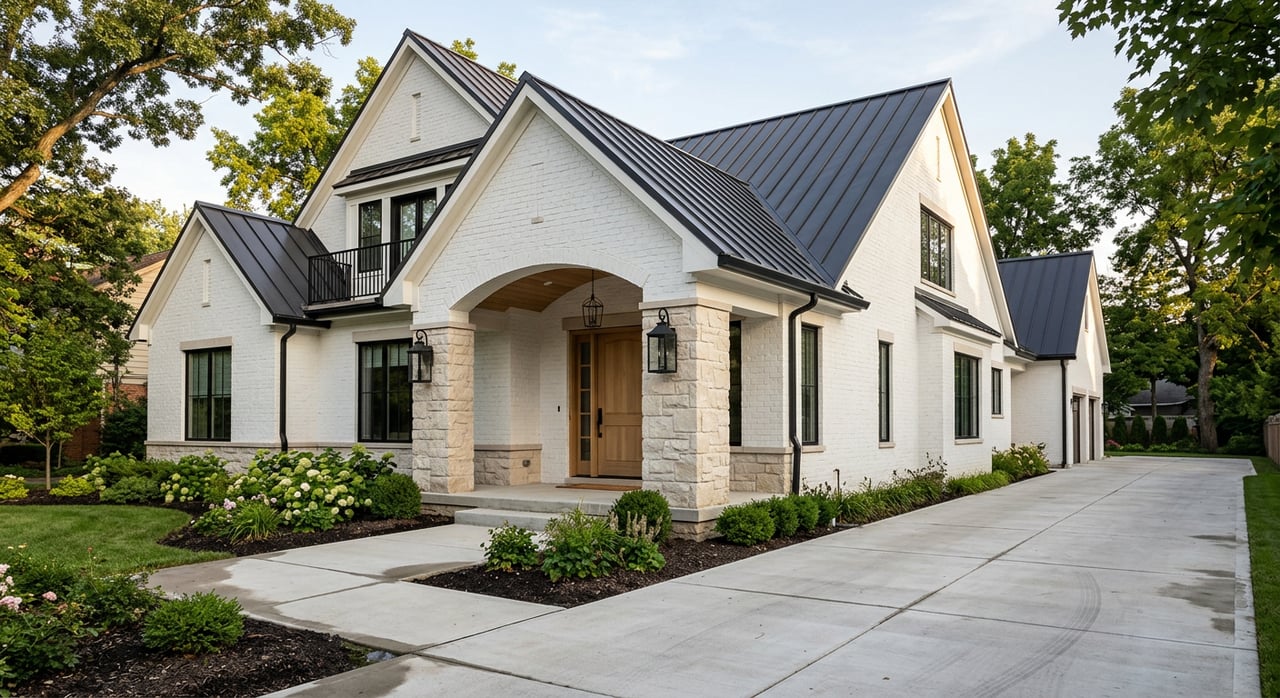

Buying your first home in Magnolia can feel exciting and a little overwhelming. You want a clear plan, straight answers, and local insight you can trust. In this guide, you’ll learn the full buying timeline, how Texas contracts work, what Magnolia sellers expect, and what to research about taxes, HOAs, and utilities. Let’s dive in.
How buying works in Magnolia
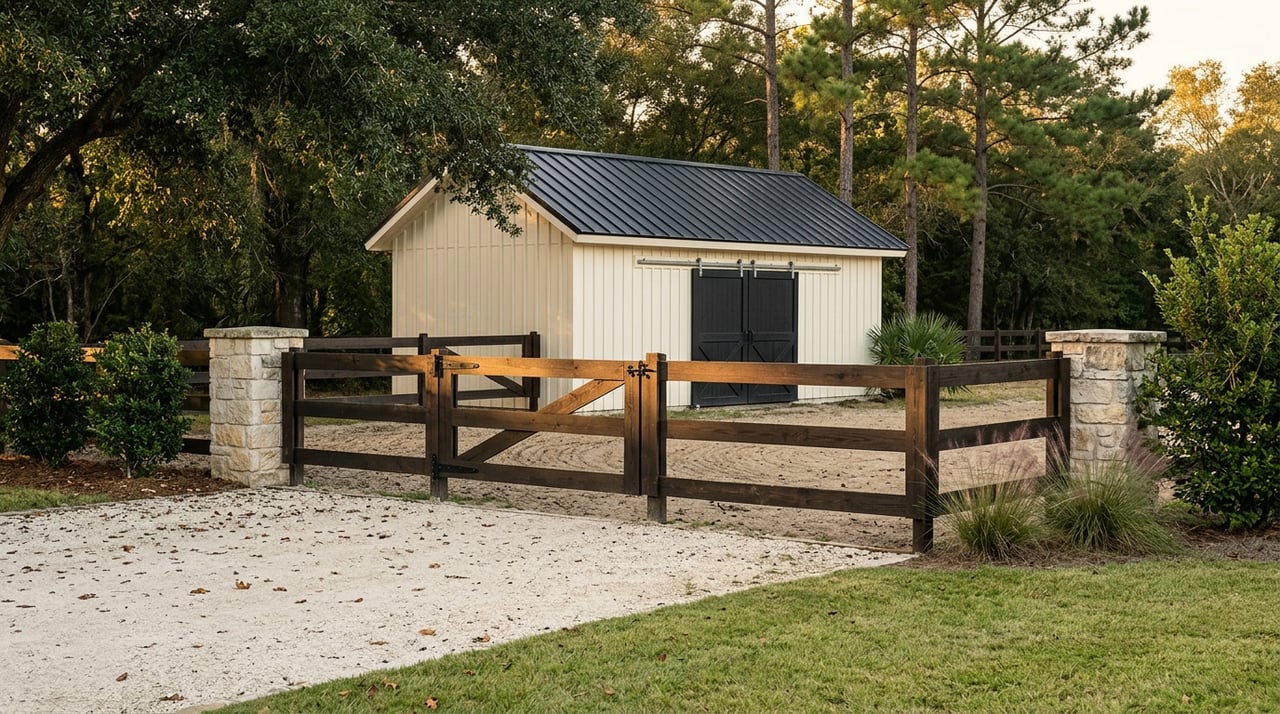
Magnolia sits in Montgomery County within the greater Houston area. Many buyers choose it for larger lots, suburban feel, and access to nearby job centers like The Woodlands and northwest Houston. Commute patterns and neighborhood features vary, so it helps to test routes and visit areas at different times. Montgomery County manages deed recording and property tax functions, which you will work with as you move toward closing.
Step-by-step timeline
1. Get pre-approval and set a budget
Your first move is a mortgage pre-approval, not just a pre-qualification. A lender will verify your income, assets, credit, and debts to confirm what you can afford. Sellers in Magnolia often want to see pre-approval with an offer. This step can take 1 day to 1 week depending on how quickly you provide documents.
2. Focus your Magnolia search
Use your must-haves and nice-to-haves to guide the search. Many Magnolia homes offer larger lots and a mix of subdivision and acreage options, so filter by lot size, property type, and Magnolia ISD boundaries if schools are a priority. Drive likely routes to The Woodlands or Houston during peak hours to check traffic. Expect this phase to take a few weeks or longer, depending on inventory and your schedule.
3. Tour homes and compare values
Tour the best matches and review comparable sales with your agent. Consider HOA rules, property condition, and potential updates or repairs. Pay attention to nearby development and community amenities that may affect long-term value. When you are ready, prepare to write an offer.
4. Write a Texas offer
Your offer uses a Texas-promulgated contract and includes price, earnest money, option period terms, financing details, and a proposed closing date. The seller can accept, reject, or counter. Earnest money shows good faith and is held by the title company, while the option fee gives you the right to terminate during the option period. You will negotiate these amounts and timelines based on the market.
5. Use the option period for inspections
The option period in Texas is commonly 5 to 10 days, but it is negotiated. You pay a separate option fee directly to the seller for this right to terminate. During this time, schedule a general home inspection and any specialized inspections such as termite, roof, HVAC, well, or septic as needed. You can request repairs or credits, or choose to terminate within the option period if the home no longer fits your needs.
6. Appraisal and underwriting
Once you are under contract, your lender orders an appraisal and processes your loan. Underwriting and appraisal usually take 21 to 45 days, depending on the lender and market pace. If the appraisal is lower than the contract price, you and the seller may negotiate a price adjustment or you may bring additional funds, if permitted by your loan and your budget. Your contract and lender will guide your options.
7. Title work and closing day
The title company runs a title search and prepares your closing documents. You will receive a closing disclosure at least three business days before closing so you can review final numbers. On closing day, you sign your loan and title documents, bring any remaining funds to close, and the deed is recorded with Montgomery County. Typical contract-to-close timing for a financed purchase is about 30 to 45 days.
Texas contract basics to know
- Earnest money: A good-faith deposit commonly equal to a flat amount or about 1 to 2 percent of the price, depending on the market. It is held in escrow and usually applied to your closing funds.
- Option period and fee: A short, negotiated period that gives you the unrestricted right to terminate. The option fee is paid to the seller and is typically non-refundable, though it is often credited at closing per contract terms.
- Inspections: Order them during the option period. You can negotiate repairs, request credits, or proceed as is.
- Financing and appraisal: Your financing terms and timelines are outlined in the contract. If the home appraises below the contract price, you will decide with your agent how to proceed.
For consumer guidance on Texas contracts, review the Texas Real Estate Commission’s resources on forms and consumer protection at the Texas Real Estate Commission website. You can also find buyer education from Texas REALTORS at the Texas REALTORS site.
What Magnolia sellers expect
- Strong proof of funds: A current pre-approval letter or evidence of cash improves your credibility.
- Clean terms: Reasonable contingency timelines and a clear plan for inspections help your offer stand out.
- Realistic dates: Be upfront about your target closing and ability to move quickly.
- Responsiveness: Reply promptly during negotiations, inspections, and underwriting.
Competitive strategies for first-time buyers
- Provide a full pre-approval and show that your earnest money is ready to go.
- Offer an earnest deposit and option fee that fit current local norms and competitiveness.
- Consider a shorter option period if you can schedule inspections quickly, or increase the option fee to strengthen your position while keeping inspection rights.
- Be flexible on closing date if the seller needs time. Small adjustments can make a big difference.
- Avoid waiving key protections unless you understand the risks and have discussed them with your lender and agent.
Budgeting: upfront and closing costs
Plan for the option fee and earnest money shortly after your offer is accepted. Also plan for closing costs such as lender fees, title charges, and prepaid taxes and insurance. For many buyers, closing costs can range roughly 2 to 5 percent of the purchase price, though the exact amount varies by loan type and property. Your lender and title company will estimate these figures early in the process so you can prepare.
Local research checklist
- Schools: If schools matter to you, confirm Magnolia ISD boundaries and programs for a specific property address.
- Property taxes: Montgomery County and other local entities set combined tax rates. Ask your agent to pull the current assessed value and expected rate for a property.
- MUD or special districts: Many Magnolia properties are in municipal utility or special districts that add taxes or assessments. Confirm this early.
- Utilities and systems: Some homes use private wells or septic systems. Inspect these with licensed professionals and confirm maintenance needs.
- HOAs and deed restrictions: Review covenants for architectural rules, rental policies, and fees during the contract period.
- Commute and corridors: Test drive routes during peak times to confirm your daily drive fits your routine.
Trusted resources
- Learn about Texas real estate rules and forms at the Texas Real Estate Commission.
- Explore buyer education from Texas REALTORS.
- Understand the closing disclosure timeline and mortgage process at the Consumer Financial Protection Bureau.
- Find general homebuying guidance and counseling resources at the U.S. Department of Housing and Urban Development.
- Review county offices and services at the Montgomery County official site.
Your next step
Your plan should be simple and practical: get pre-approved, focus your search, write a smart Texas offer, and protect your interests during inspections and financing. With the right guidance, you can move from browsing to closing with confidence. If you want local, step-by-step support in Magnolia and Montgomery County, reach out to Tiffany Dixon for a friendly, no-pressure conversation.
FAQs
What is the Texas option period in home buying?
- It is a short, negotiated window, often 5 to 10 days, where you pay a non-refundable option fee for the unrestricted right to terminate while you complete inspections.
How much earnest money should I expect in Magnolia?
- Earnest money varies by price and market, but many buyers plan for about 1 to 2 percent of the purchase price or a flat amount set by local norms, credited at closing if the deal funds.
How long does it take to close on a Magnolia home?
- From contract to closing, many financed purchases take about 30 to 45 days, depending on appraisal and underwriting timelines and how quickly documents are completed.
What taxes should I check before buying in Montgomery County?
- Confirm the total property tax rate, any municipal utility or special district taxes, current assessed value, and whether you qualify for exemptions such as a homestead exemption.
Are well and septic systems common in Magnolia?
- Some properties, especially on larger lots, may have private wells or septic systems, which you should inspect and budget to maintain according to licensed professional guidance.
How do I confirm Magnolia ISD school boundaries for a home?
- Ask your agent to verify the current attendance zone with the district for the specific property address, since boundaries can change and should be confirmed before you make a decision.