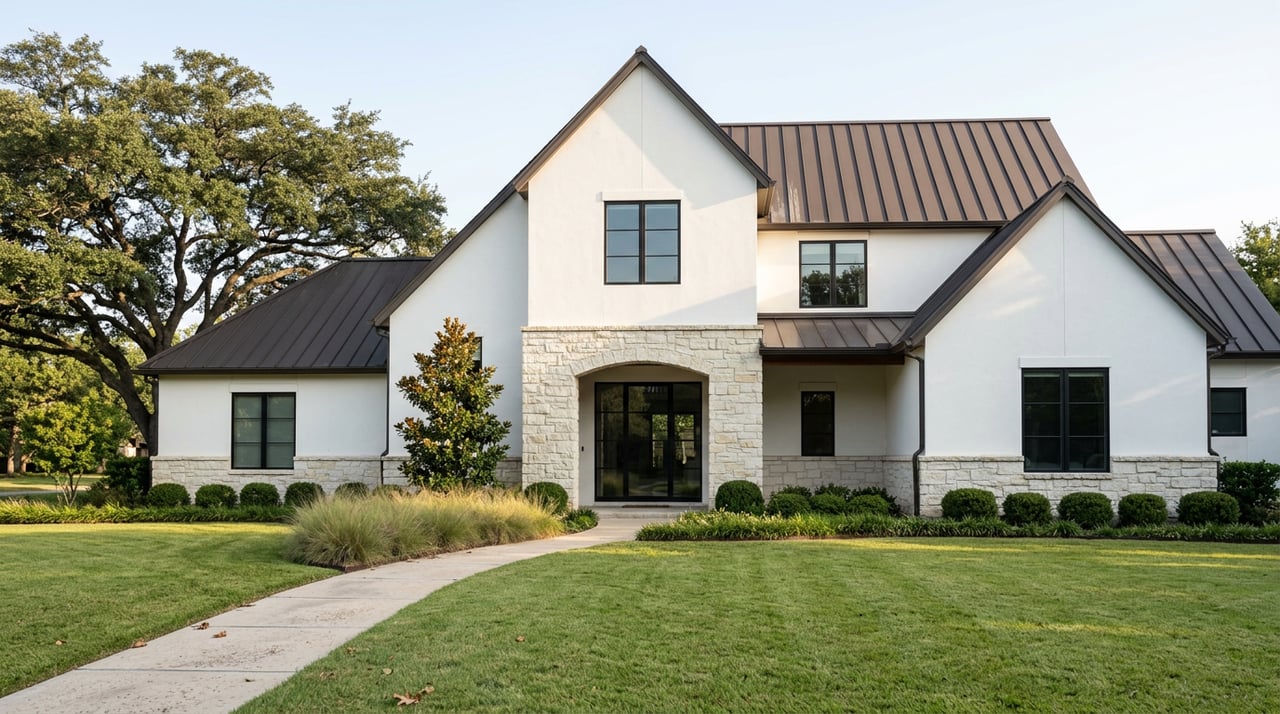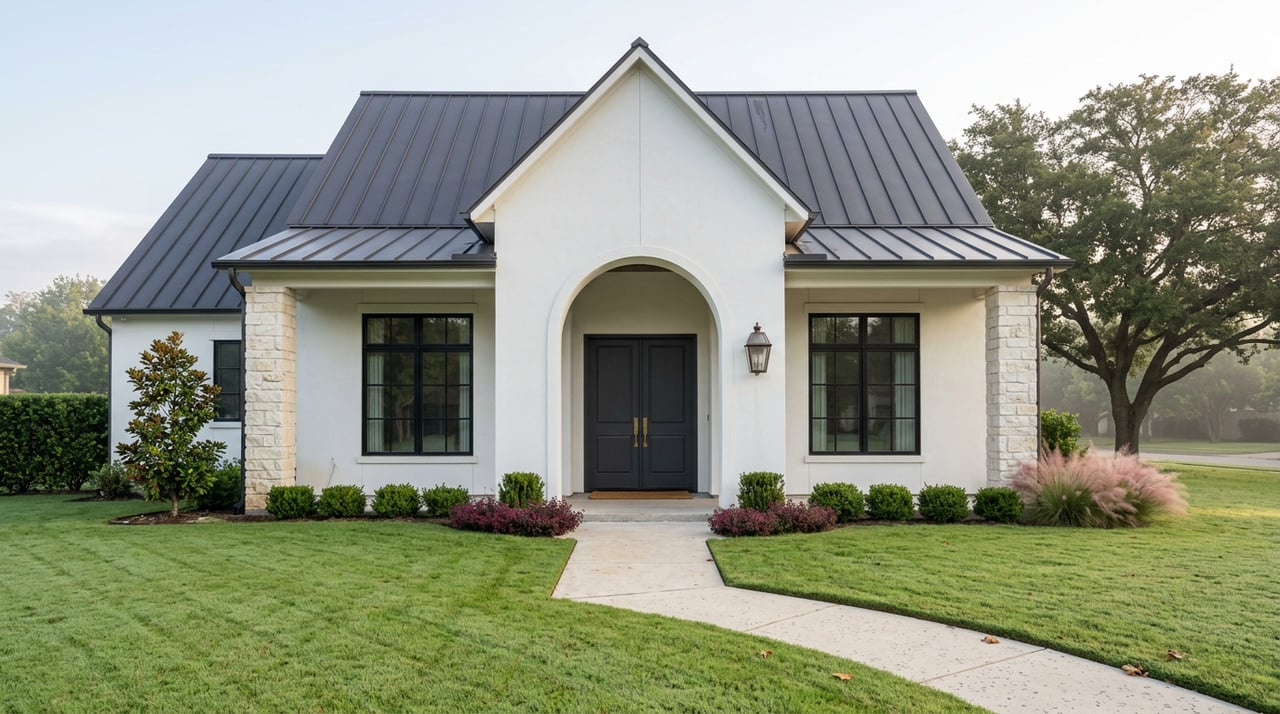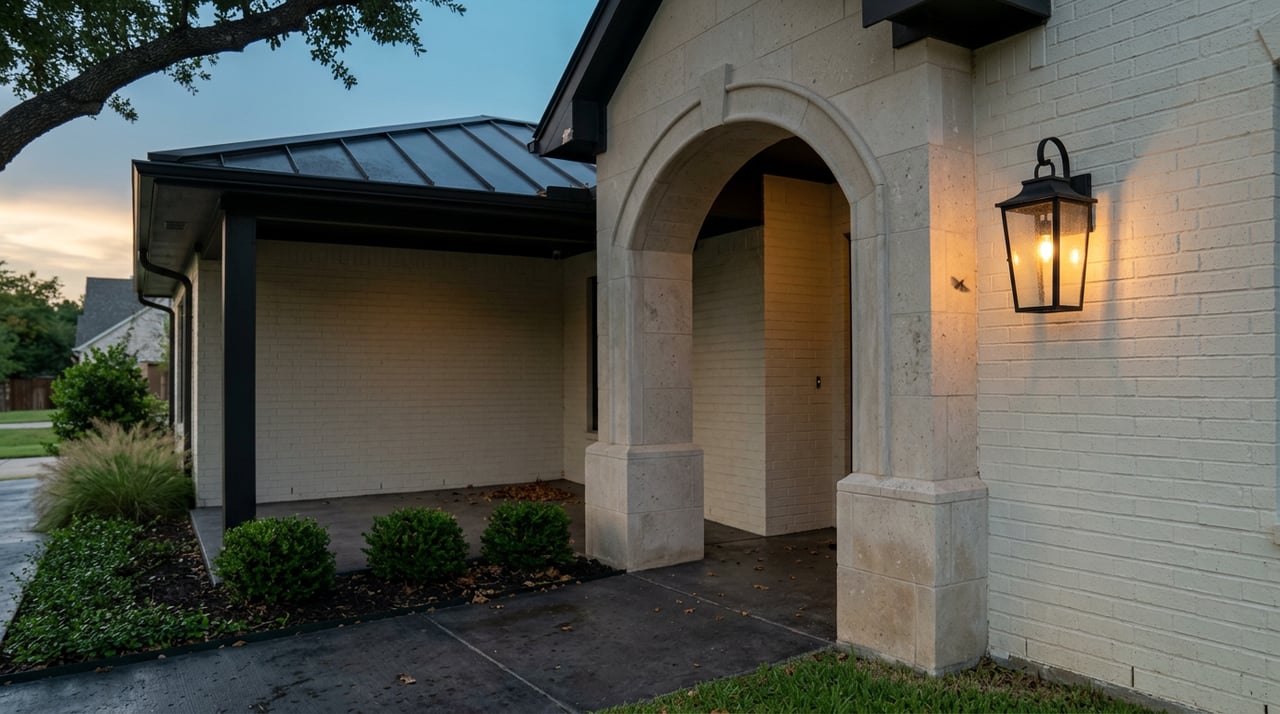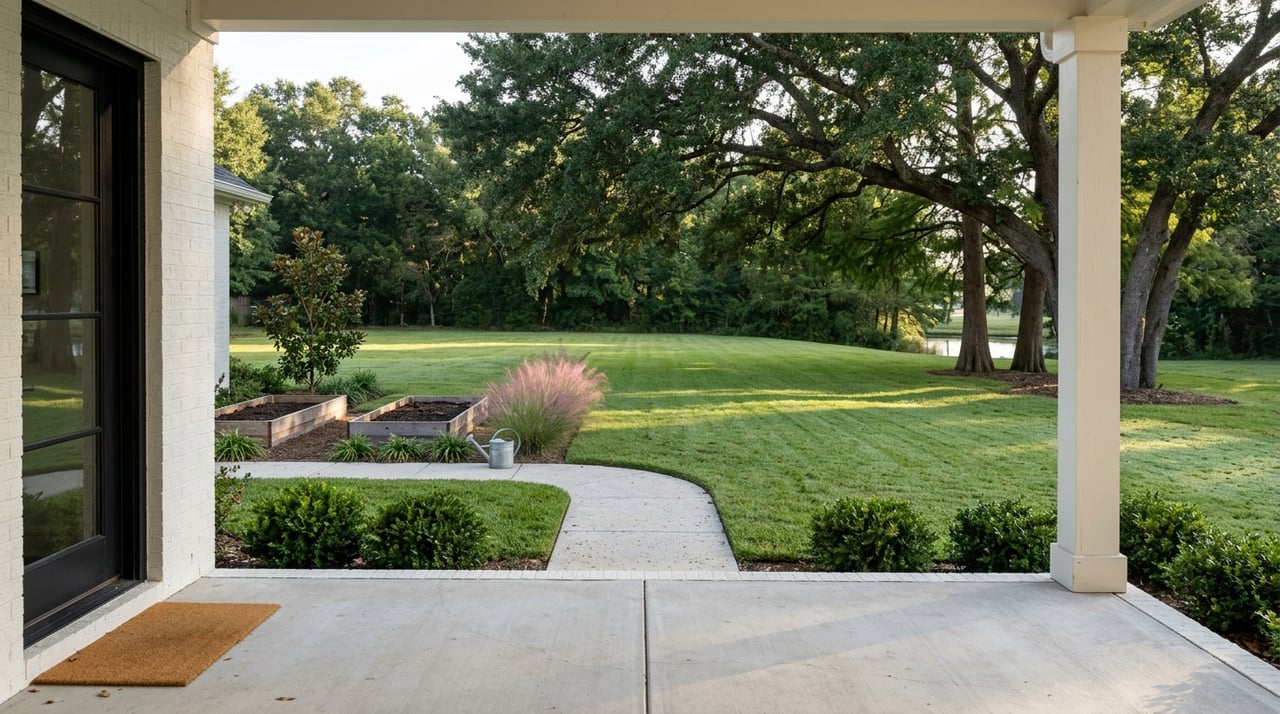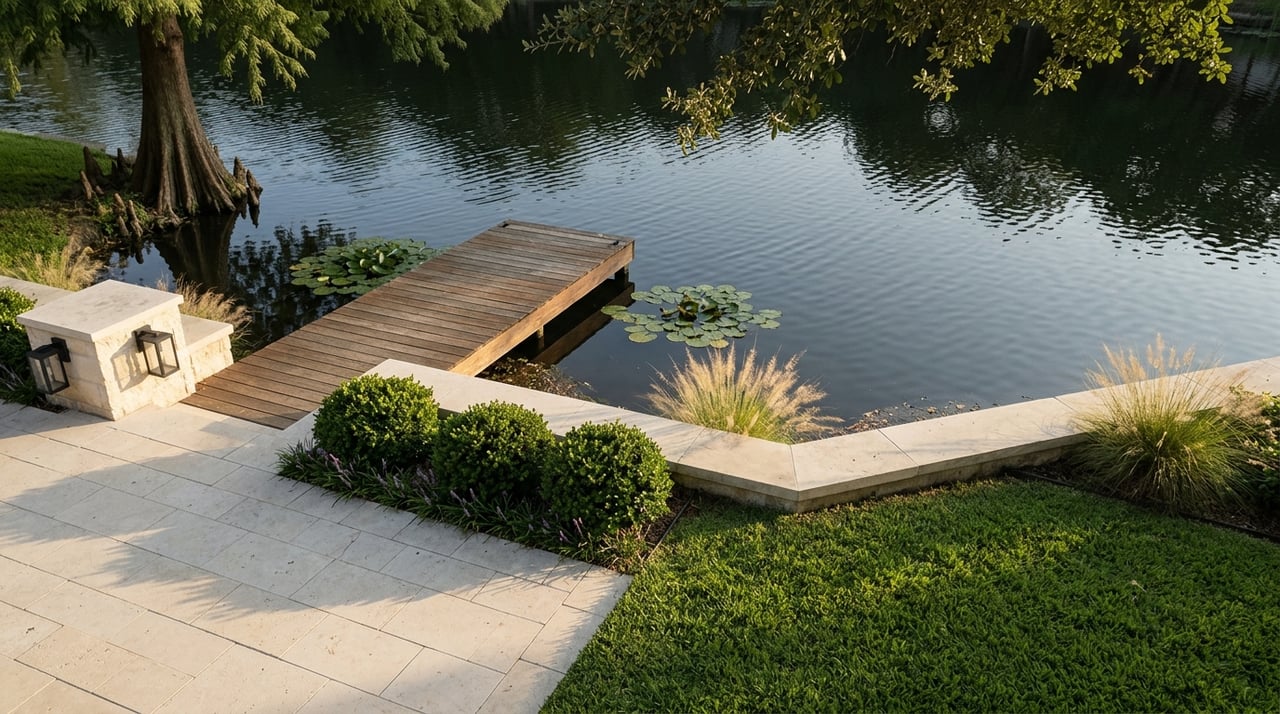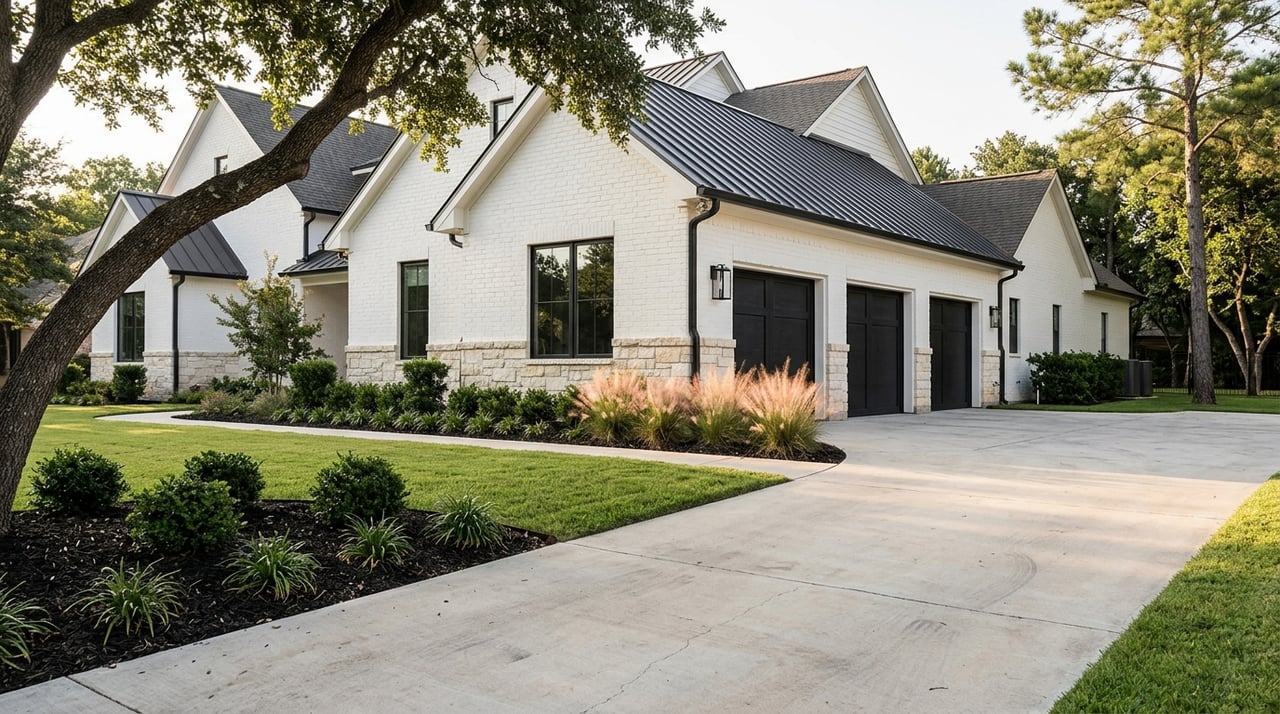
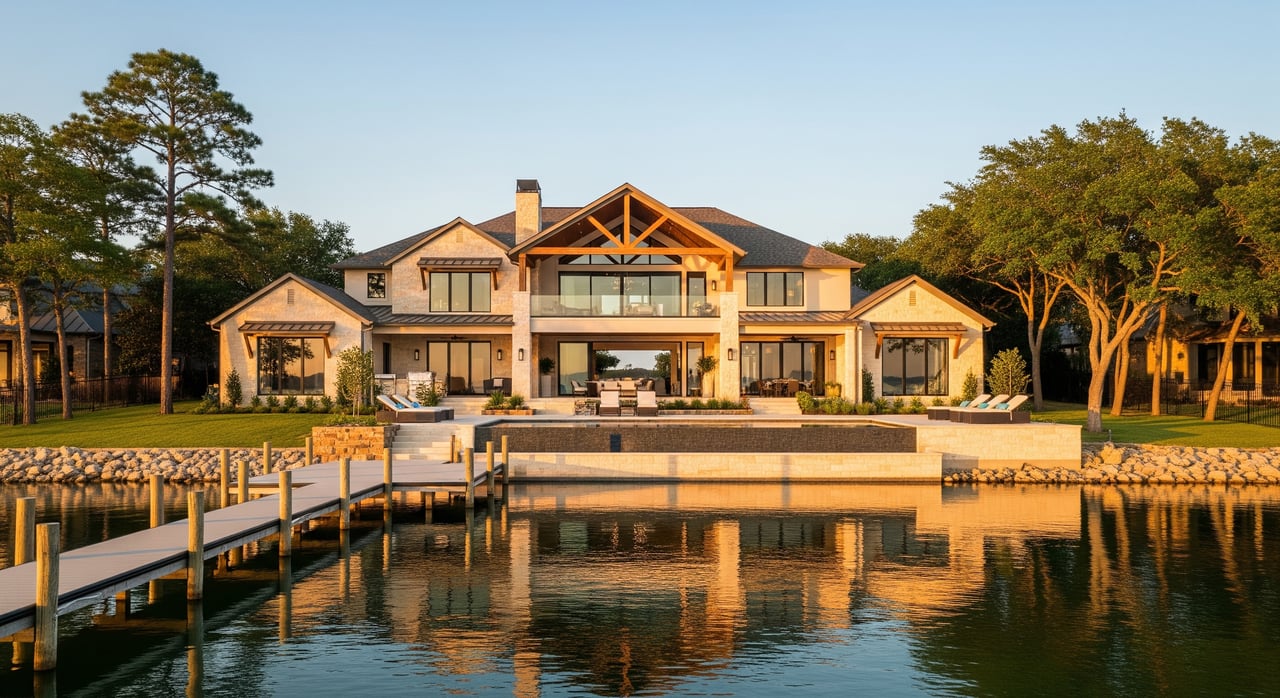
Pricing a home in Lake Windcrest is not one-size-fits-all. With lakefront lots, golf course views, and gated privacy, small differences can swing your value. If you want fewer days on market and stronger net proceeds, you need a plan rooted in local data and a clear pricing strategy. In this guide, you’ll learn how to build a Lake Windcrest–specific CMA, quantify lake and golf premiums, choose the right pricing approach, and prepare for a confident launch. Let’s dive in.
Key price drivers in Lake Windcrest
Lot and view tiers
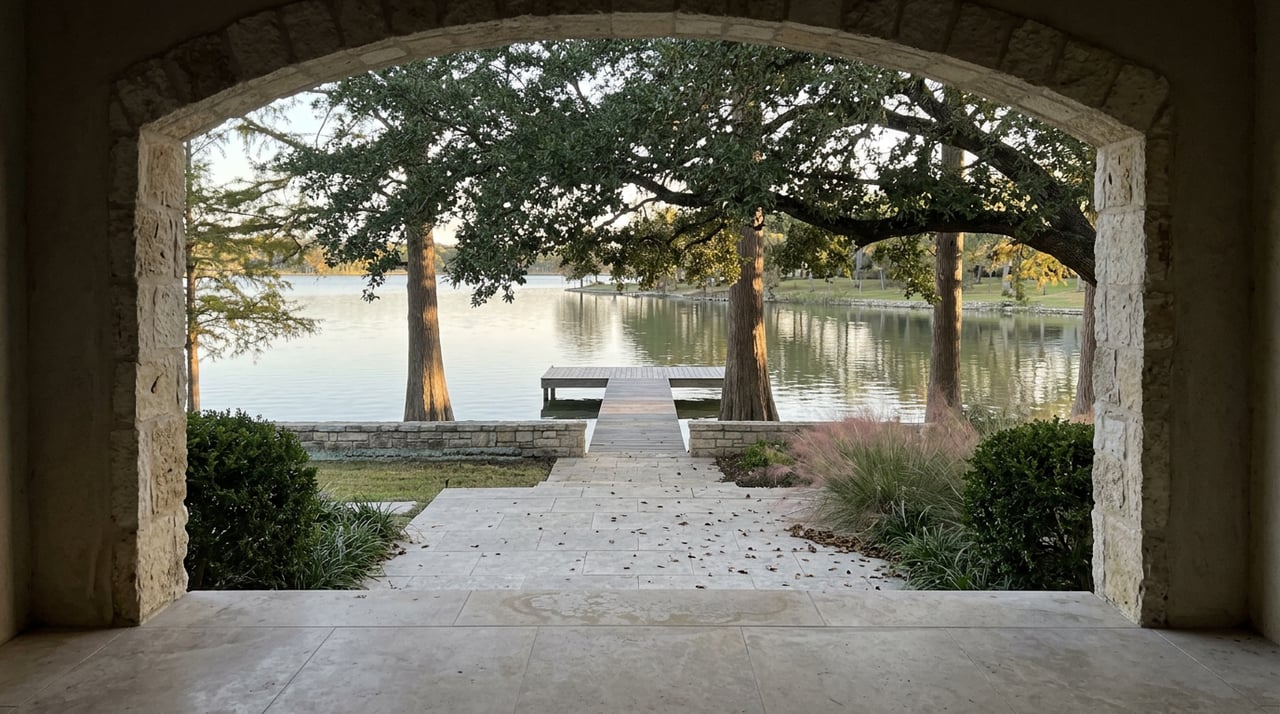
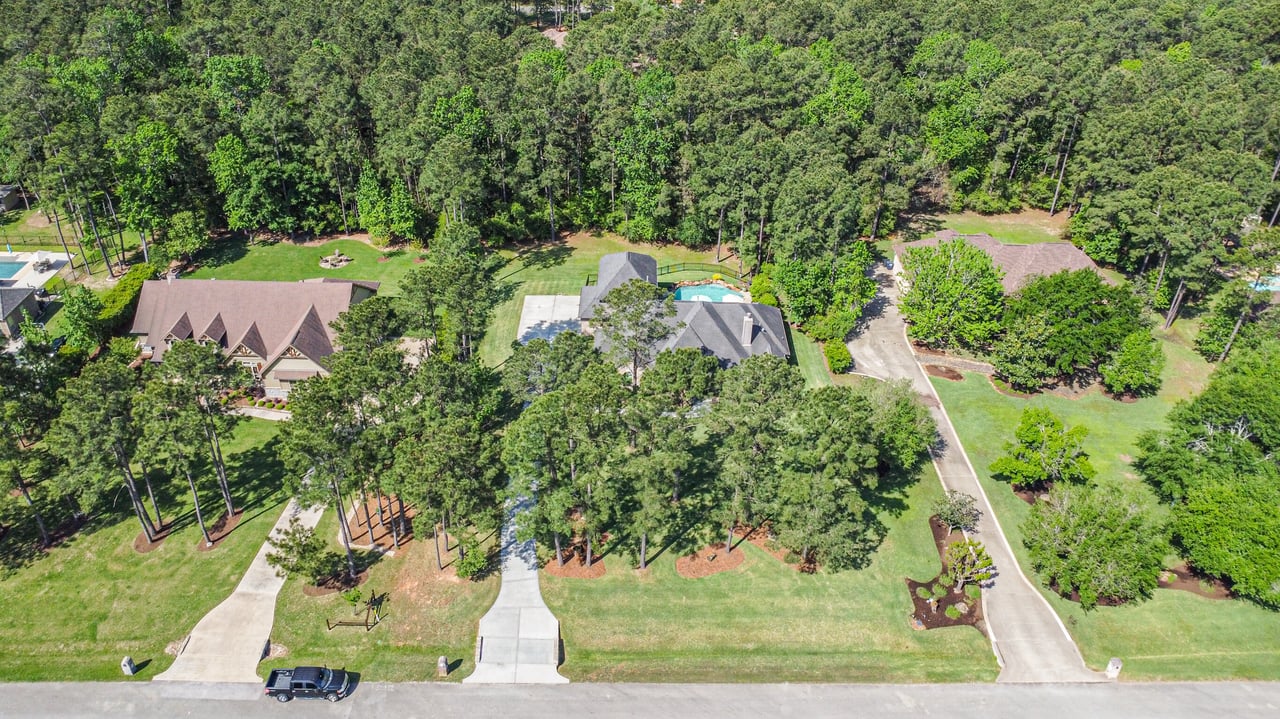
Lot and view are often the top value drivers. A direct lakefront or full lake view can command a premium over interior lots. Golf course adjacency can also add value, though typically less than true waterfront. Lot size, orientation, and privacy (deep or irregular lots) matter to many buyers.
Home condition and features
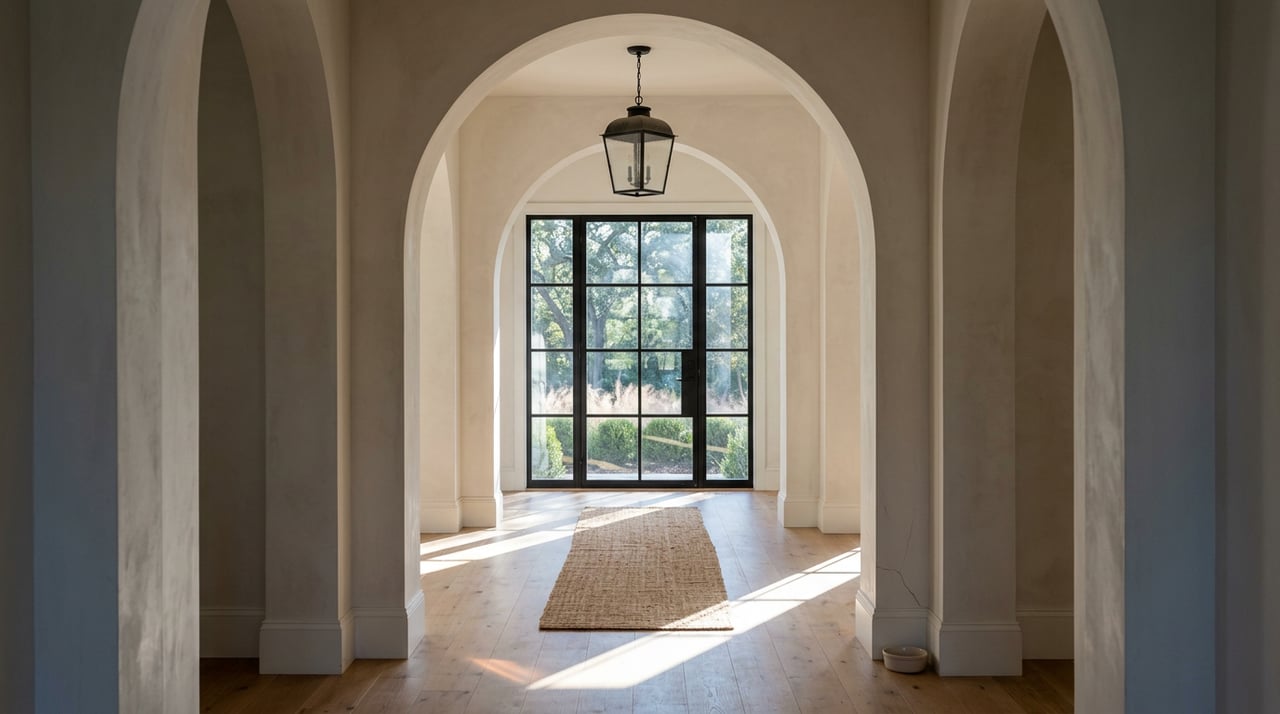
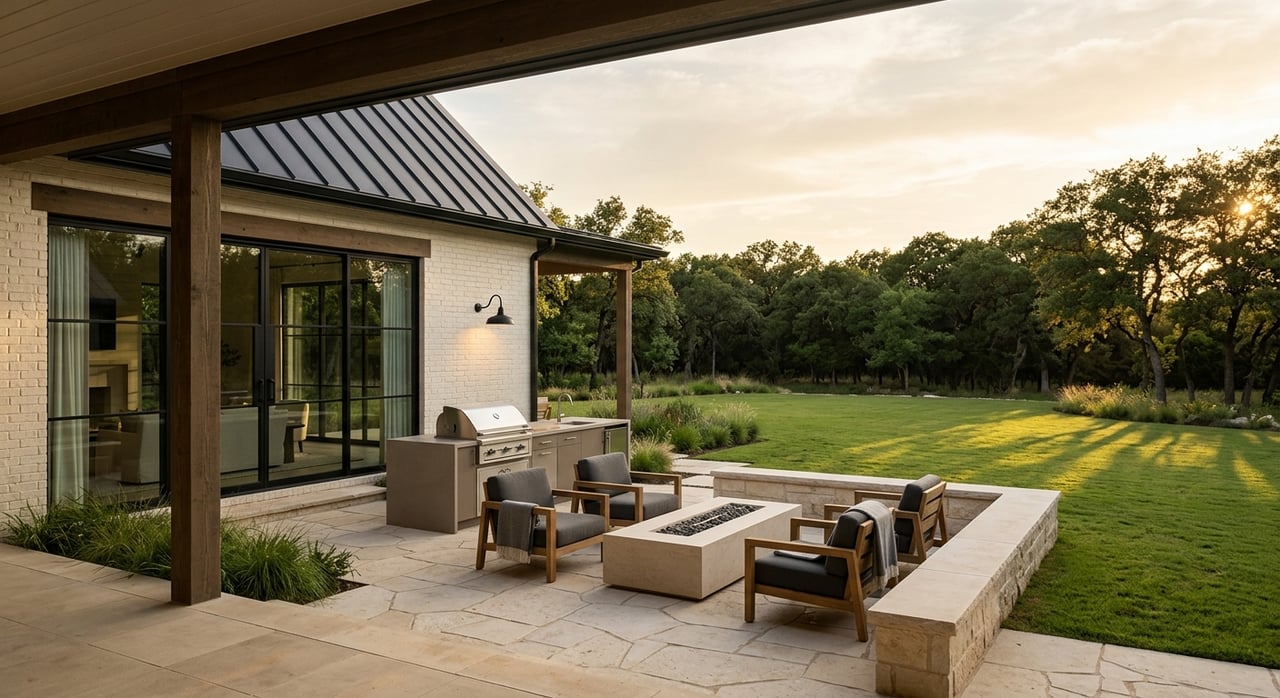
Interior updates and overall condition influence your position within a lot/view tier. Recent kitchen or bath upgrades, a newer roof or HVAC, and thoughtful outdoor spaces (covered patio, dock, pool, outdoor kitchen) can boost your price within your tier. If deferred maintenance exists, buyers may expect concessions.
Community costs and risk items
Lake Windcrest’s gated setting, amenities, and HOA rules affect pricing. HOA fees or transfer fees can narrow the buyer pool, so buyers want clarity on costs. Near the water, verify flood zone status and any insurance needs. Deed restrictions and any conservation easements also play a role in buyer confidence.
Build a Lake Windcrest CMA
Step 1: Define the objective and time window
Your goal is a list price range that protects net proceeds and minimizes days on market. Use recent solds from the last 3 to 6 months when possible. If sales are slower, extend to 9 to 12 months. Also gather active and pending listings for current competition, and review expired or withdrawn listings to spot pricing risk.
Step 2: Select true comparables
Start within Lake Windcrest or immediately similar nearby communities. Match by:
- Property type (single-family detached)
- Lot classification (lakefront, lake view, golf course, interior)
- Size within about ±10 to 15 percent of your home’s square footage
- Similar bed and bath count, or adjust for functional differences
If exact matches are light, widen your search but keep lot/view and neighborhood amenities aligned.
Step 3: Capture the right data points
For each comp, collect:
- Sale price and date, days on market, and list price history
- Lot details and view (waterfront, golf adjacency), and lot size
- Square footage, bed/bath count, and garage capacity
- Interior condition and updates (kitchen, flooring, HVAC and roof age)
- Special features (dock, boat access, large covered patio, outdoor kitchen, guest suite)
- HOA fees and any transfer fees
- Tax assessments and notable liens or judgments for context
Step 4: Compute baseline metrics
Calculate price per square foot for each comp. Then find the median or mean price per square foot for your lot/view tier (lakefront, golf view, interior). This gives a baseline to start comparisons.
Step 5: Adjust for differences
Make consistent, evidence-based adjustments:
- Lot/view premium: lakefront or full lake views often carry the largest adjustment. Golf course adjacency can also add value.
- Lot size: quantify value per acre or per 1,000 square feet using local sales.
- Interior condition/updates: account for recent remodels and major systems.
- Functional differences: bed/bath count, bonus space, and garage size.
- Structural condition: adjust downward for significant deferred maintenance.
- Amenities: docks, pools, and outdoor kitchens can add value if scarce and in demand.
Keep adjustments conservative and supported by local pairs or grouped sales.
Step 6: Reconcile a pricing band
Develop a low-to-high price band that reflects different assumptions. The low end anticipates quicker activity and possible negotiation. The high end targets top-of-market buyers who value your features. Weigh the local absorption rate and active competition to choose where to land.
Step 7: Validate against demand
Compare your target price to recent days on market for similar sales. If recent sales drew multiple offers, pricing at or slightly above market may fit. If inventory is higher or DOM is rising, pricing at market or slightly below can spur showings and faster offers.
Quantify lake, golf, and lot premiums
Lakefront and lake-view premium
Use paired sales inside Lake Windcrest where the homes are similar and the main difference is water exposure. Compare price per square foot or the percentage difference between lakefront and interior sales. If pairs are scarce, add more lake and interior sales, look for a consistent spread, and apply a conservative estimate.
Golf course adjacency premium
Compare homes backing to the fairway with interior-lot sales. Note factors that might reduce the premium for certain buyers, such as tee proximity or yard size. Focus on local evidence, then apply a consistent adjustment.
Lot size adjustments
Use local solds to measure how price shifts as lot size changes. Avoid a flat per-acre rule across all lot sizes. The marginal value of extra land can vary depending on starting size and the lot’s usability.
Condition and update adjustments
Look for similar homes where one has recent updates (kitchen, baths, roof, HVAC) and one does not. Estimate the premium supported by local data. If no strong pairs exist, weigh market premium versus cost-to-correct and apply a conservative figure.
HOA fees and transfer costs
Buyers consider monthly and one-time costs. Price and position accordingly by being transparent about fees and any assessments. Clear disclosures can protect your contract from surprises later.
Pick a pricing strategy
- Market pricing: List at estimated market value to balance speed and net. This is often the most predictable path to fair terms.
- Under-market pricing: List slightly below market to boost interest and aim for multiple offers. This can shorten days on market, though it carries the risk of leaving money on the table if response is soft.
- Aspirational pricing: List above market to test demand. This can increase days on market and lead to price reductions if interest is slow.
- Value-add pricing: Make targeted repairs or staging updates, then list at the top of your supported range. Only apply when local comps show the uplift is real.
Protect your net proceeds
Create a clear net sheet before you list. Account for:
- Real estate commissions (commonly around 5 to 6 percent total, though commissions vary)
- Closing costs, prorated property taxes, HOA transfer fees
- Any outstanding liens or judgments
- Estimated repairs, inspection credits, and buyer concessions
Consider pre-listing repairs or inspections if they reduce the risk of large concessions. Avoid repeated price reductions that can send the wrong signal. If your price stretches recent sales, plan for appraisal risk with strong comparable evidence or buyers who can cover a gap.
Timing and presentation tips
- Prep for a strong launch: professional photos, concise copy, and highlights that showcase lake, golf, privacy, and lot size.
- Build buzz: if allowed by local rules, a short coming-soon period can line up early interest.
- Match price to marketing: if your marketing plan needs extra lead time, avoid the very top of the range until your full campaign is live.
What you get at a pricing consult
When you meet to set price, you should expect a concise, evidence-driven packet that includes:
- A recommended list price with a clear price band and supporting rationale
- Six to eight comparables with photos, sale and list history, and documented adjustments
- A one-page seller net proceeds estimate at multiple sale prices
- Neighborhood context: recent solds overview, median days on market, and current competition
- HOA and amenity notes that affect demand
- A pre-listing checklist for repairs, staging, photography, disclosures, and HOA documents to gather
Ready to price with confidence in Lake Windcrest? Connect with Tiffany Dixon for a free valuation and a local CMA tailored to your lot, view, and features.
FAQs
How recent should sold comps be in Lake Windcrest?
- Prefer sales from the last 3 to 6 months; extend to 9 to 12 months if activity is limited, and always include active and pending listings as current competition.
How much extra is lakefront worth in Lake Windcrest?
- It varies by lot, view quality, and condition; estimate the premium by comparing paired sales within the neighborhood and applying a conservative difference supported by local data.
Should I renovate before listing my Lake Windcrest home?
- Prioritize repairs and visible cosmetic fixes; use local comps to weigh the likely price lift from bigger updates versus selling as-is and pricing accordingly.
What if similar Lake Windcrest homes are not selling?
- Recheck pricing, condition, and competition; if buyers have more options or DOM is rising, pricing at market or slightly below usually shortens time to offer.
Do HOA fees in Lake Windcrest affect my price?
- Yes, recurring fees and any transfer costs influence buyer demand; be transparent and price within a range that reflects total ownership costs for your buyer pool.