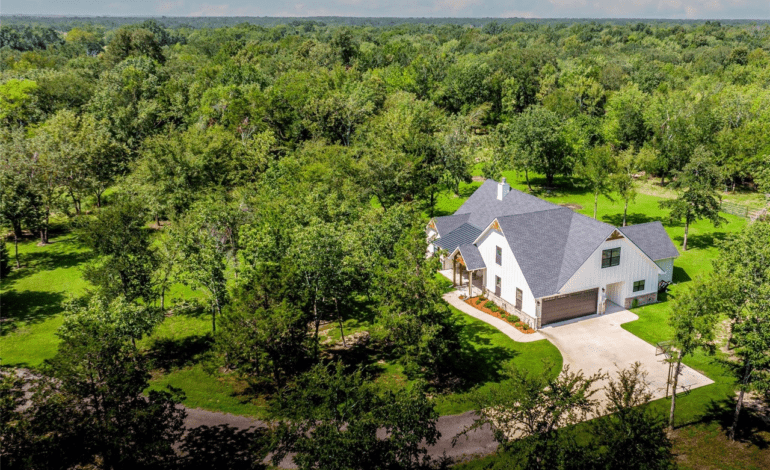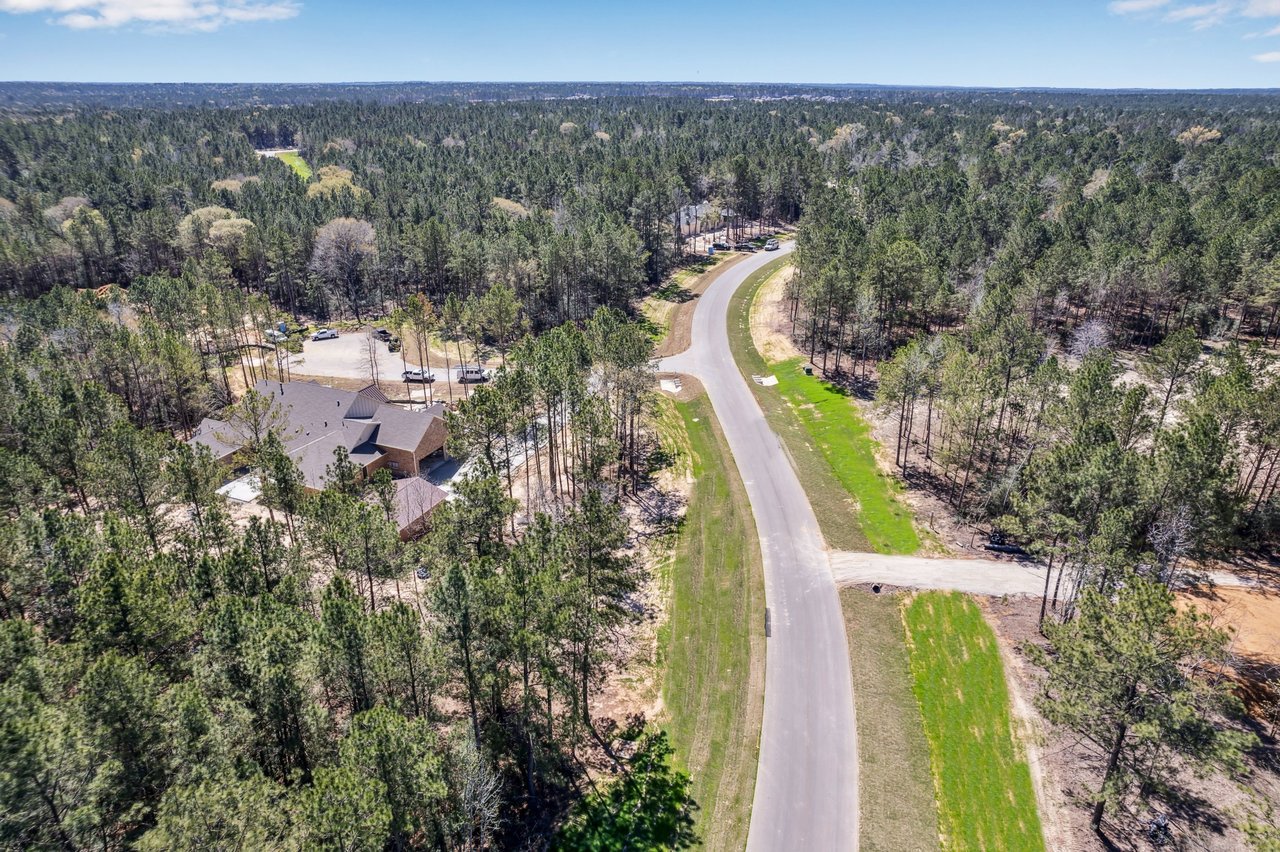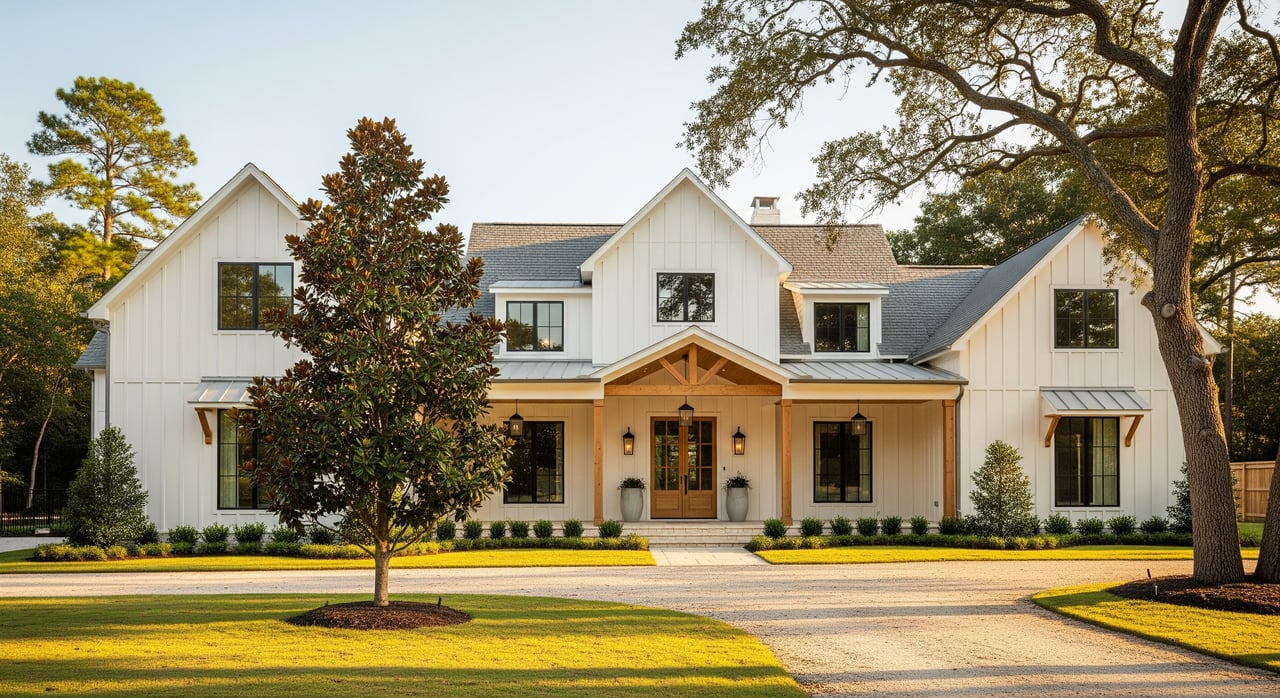

Thinking about The Village at High Meadow but want to know what daily life really feels like? You are not alone. Buyers comparing Magnolia-area neighborhoods often want a clear picture of amenities, trails, events, schools, and commute patterns before they tour. This guide walks you through what to look for, how to verify it, and smart ways to evaluate the community fit for your lifestyle. Let’s dive in.
Orientation: where it sits and how to confirm details
The Village at High Meadow is in Montgomery County in the broader Montgomery and Magnolia area. In this corner of the county, some neighborhoods use a Montgomery or Magnolia mailing address even when they market to both audiences. For clarity, verify the official community name and mailing address with the HOA or management company, and cross-check with Montgomery County Appraisal District records for the specific property you are considering. This simple step helps you avoid confusion when comparing listings, utilities, and school information.
Trails, parks, and open space
The right outdoor setup can shape your day-to-day rhythm, especially if you enjoy walking, biking, or getting outside with kids and pets. In and around the Magnolia area, neighborhood trail systems vary by surface and purpose. You might see concrete sidewalks, crushed granite loops, or natural paths that link to pocket parks and ponds. Your goal is to confirm what exists inside The Village at High Meadow today and how it is maintained.
What to verify about trails
- Type of trails and sidewalks inside the neighborhood and whether they form connected loops.
- Surface materials and accessibility for strollers or wheelchairs.
- Access points to parks, greenbelts, ponds, or open fields and whether these are resident-only.
- Condition and shade coverage at different times of day.
How to verify on site
- Review the community’s amenity or trail map from the HOA or builder.
- Walk or bike the main loops yourself and note crossings, lighting, and maintenance.
- Visit in the morning and evening to gauge activity and comfort.
- Ask about any planned trail extensions or upcoming improvements.
Recreation center and built amenities
If you value a pool, fitness space, courts, or a playground, confirm what is built and open now. Amenities often roll out in phases and rules can change as the community grows. Some features may be included with HOA dues while others may require reservations or small user fees. Avoid assumptions until you see current policies in writing.
What to ask the HOA or management company
- Full list of current amenities on site such as pool, gym, courts, playground, pavilion, or event space.
- Operating seasons, guest policies, reservation procedures, and age rules.
- Whether any amenities are still planned or in construction and estimated timelines.
- What maintenance and security measures are in place.
Community events and social life
Neighborhood events can make a big difference in how quickly you feel at home. Many HOAs in Montgomery County organize seasonal gatherings, pool parties, movie nights, or volunteer days. Some communities also support resident-led clubs for fitness, gardening, or social activities. The key is verifying how active the calendar is and how it fits your family’s interests.
Ways to explore the social scene
- Request the HOA’s recent event calendar or newsletter for examples of gatherings.
- Ask about resident committees and how to get involved.
- Check community social groups for photos and notes, then confirm details with the HOA.
- If you visit during an event, observe attendance and overall vibe.
Everyday conveniences and commuting
Daily convenience matters. Before you commit, map out your grocery run, pharmacy stop, and nearest urgent care or ER. In this part of Montgomery County, common commute routes include FM 1488, TX-249, and I-45 depending on your destination. Your experience will vary by time of day and route choice.
How to test real-world drive times
- Run weekday rush-hour checks for your key destinations like The Woodlands, Conroe, or Houston.
- Compare primary and alternate routes to see which is more consistent.
- Time a full loop from the community to your most-used shopping center and back.
- Note any planned road work that could affect traffic patterns.
Schools and child care
School zoning can differ between nearby neighborhoods, and boundaries may change over time. Start by confirming which public school district serves your specific address, then verify the assigned elementary, intermediate or middle, and high school. If you are considering private schools or day care, map options within a comfortable drive and ask about enrollment timelines. Keep your notes with dates so you can recheck if your move is months away.
What to confirm directly
- The school district that serves your exact property address and the current campus assignments.
- Bus routes, bell schedules, and enrollment requirements.
- Nearby private schools or child-care centers and their waitlist policies.
- Any planned boundary adjustments that may be under review.
Safety, utilities, and environmental factors
Peace of mind comes from doing your homework. Flood risk varies by parcel in Montgomery County, so check the FEMA Flood Map and county floodplain maps for the specific lot or home you are considering. Clarify who provides water, sewer, and trash service and whether the property lies within a municipal utility district. Ask about electric, gas, and high-speed internet providers so you are confident about remote work or streaming needs.
Questions to ask early
- Flood zone classification for the property and any past flood or drainage disclosures.
- Water and sewer providers and whether the property is in a MUD with separate taxes or fees.
- Electric, gas, and internet providers that service the address.
- Nearest fire station and law enforcement coverage for the area.
HOA rules, dues, and resale considerations
Every HOA is a little different. You will want a current dues schedule and clarity on what those dues cover such as common-area upkeep or amenity maintenance. It is also smart to review the community’s covenants, conditions, and restrictions and architectural guidelines so you know the process for exterior changes, fencing, or adding structures. If you are buying a resale home, ask for the HOA resale certificate required under Texas law so you can see budgets, policies, and any outstanding assessments.
Key documents to request
- Current HOA dues, budget summary, and maintenance plan.
- CC&Rs, architectural guidelines, parking and pet policies.
- Rental policies including any minimum lease terms or restrictions.
- Recent HOA meeting minutes and any special assessment history.
Touring checklist for The Village at High Meadow
Use this quick checklist to evaluate the community and its amenities like a pro.
- Visit multiple times of day to observe traffic, activity, and noise.
- Walk the trails and parks to check surface, connectivity, and shade.
- Tour the pool, courts, and any fitness areas to assess maintenance and crowding.
- Drive to your top grocery store, pharmacy, and urgent care to confirm convenience.
- Test commute routes at peak hours to see the most realistic drive times.
- Confirm your school assignments and ask about enrollment steps and timelines.
- Run a flood and drainage check on the exact parcel or home you are considering.
- Request the HOA dues schedule, CC&Rs, and resale certificate before you submit an offer.
How a local guide makes this easier
Amenities and policies can change with new construction phases and HOA updates. A local, full-service agent can help you gather current maps and documents, verify details with the HOA, and schedule efficient tours of on-market homes. You will also get market context across comparable Magnolia-area neighborhoods so you can weigh amenities, lot sizes, and value with confidence. If you want a clear, step-by-step plan tailored to your needs, I am here to help.
Ready to explore The Village at High Meadow and confirm the details that matter to you? Reach out to schedule a tour, request current HOA documents, and compare nearby options with a local expert by your side. Connect with Tiffany Dixon to get started.
FAQs
What amenities are currently open at The Village at High Meadow?
- Ask the HOA or management company for the latest amenity map and status list, including pool, trails, courts, playgrounds, fitness areas, and any reservation rules.
Is flood risk a concern for homes in The Village at High Meadow?
- Flood risk varies by parcel in Montgomery County, so check the property’s FEMA and county floodplain status and review seller disclosures for any past drainage issues.
Which public schools serve addresses in The Village at High Meadow?
- Attendance zones change over time, so verify the serving district and specific campuses for your exact address directly with the school district before you buy.
How can I estimate commute times from The Village at High Meadow?
- Test real-world drive times at rush hour to your top destinations using likely routes such as FM 1488, TX-249, or I-45 and compare results across multiple days.
Are short-term or long-term rentals allowed in the neighborhood?
- Review the CC&Rs and rental policies from the HOA to confirm any minimum lease terms and restrictions before pursuing rental or investment plans.
What are the HOA dues and what do they cover?
- Request the current dues schedule and a summary of what is included from the HOA or management company, and ask about any pending assessments or planned projects.
Does the community host events or resident clubs?
- Check the HOA’s event calendar or newsletter for recent activities and ask about resident-led clubs, volunteer committees, and how to get involved as a new neighbor.