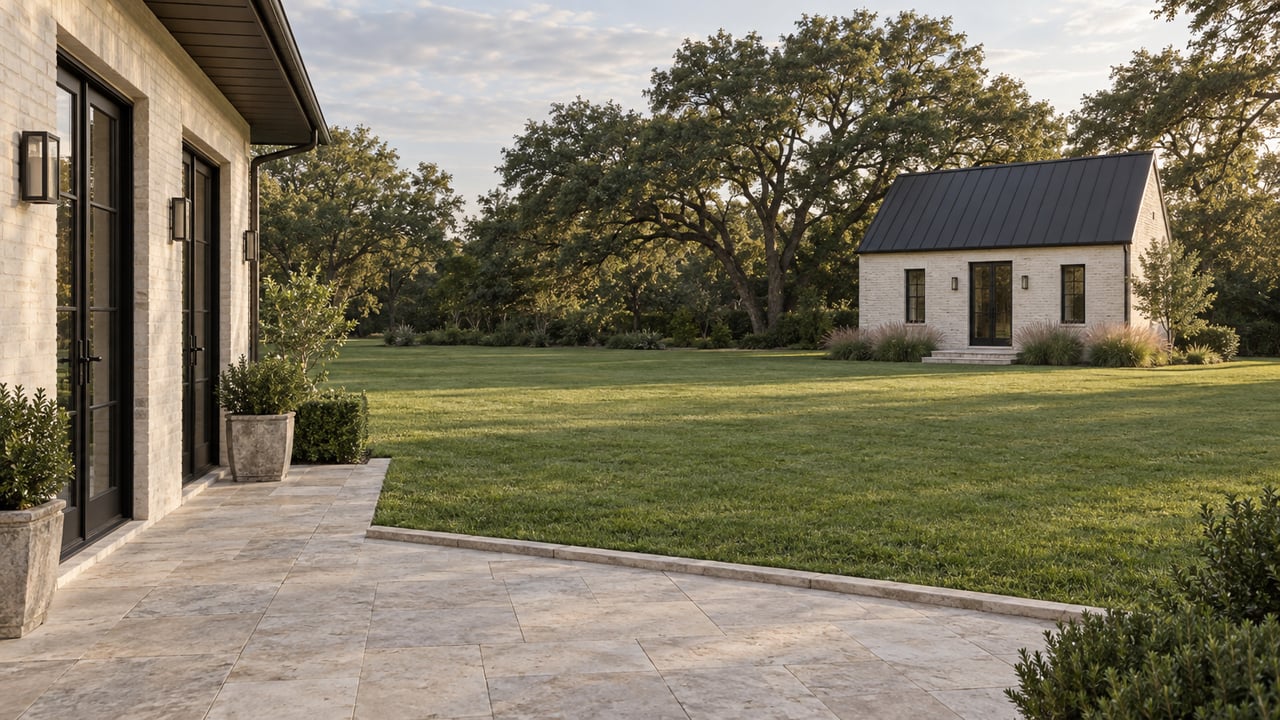
A four-acre listing in High Meadow Ranch and another four-acre listing three streets over may not carry the same rights. A lot’s water source affects how many dwellings its septic setup can support. The acreage on the flyer looks identical. The math underneath it is not.
That math has nothing to do with zoning maps or HOA architectural review. It comes from how the property gets its water, and Montgomery County's own septic density rule treats a well-served lot and a public-water lot as two different animals even when they're the same size.
The math the listing sheet never mentions
Montgomery County's Environmental Health Department, which issues every septic permit in the county, publishes a straightforward rule for anyone building on acreage. If a property uses public water supply along with an on-site septic system, the county allows one single-family dwelling per acre. If the property relies on a private well instead of public water, the minimum jumps to one dwelling per one and a half acres. Three acres with a well and septic gets you a maximum of two dwellings, not three.
That half-acre difference is the entire ballgame for anyone eyeing a guest house, a casita, or an income-producing second unit on High Meadow Ranch acreage. A buyer comparing two "similar" lots needs to know the water source before the acreage number means anything at all.
What "ten acres, no permit needed" actually buys you
A lot of acreage buyers have heard some version of a rule that says properties over ten acres don't need a septic permit. That's close to true, and also easy to misread into something it isn't.
The Texas Commission on Environmental Quality's rule for on-site sewage facilities does include a genuine exemption: a single-family dwelling on a tract of ten acres or larger can skip the standard permit if it still gets a site evaluation from a licensed site evaluator or engineer, if the system doesn't cause a nuisance or pollute groundwater, and if no part of the system sits within 100 feet of the property line. What the exemption removes is the paperwork requirement for that one system. It does not remove the underlying compliance standards, and it does not hand the owner a blank check to add a second or third dwelling just because the tract is large. Each additional dwelling on septic still has to clear its own math against the county's per-acre rule.
Running the math on real High Meadow Ranch lots
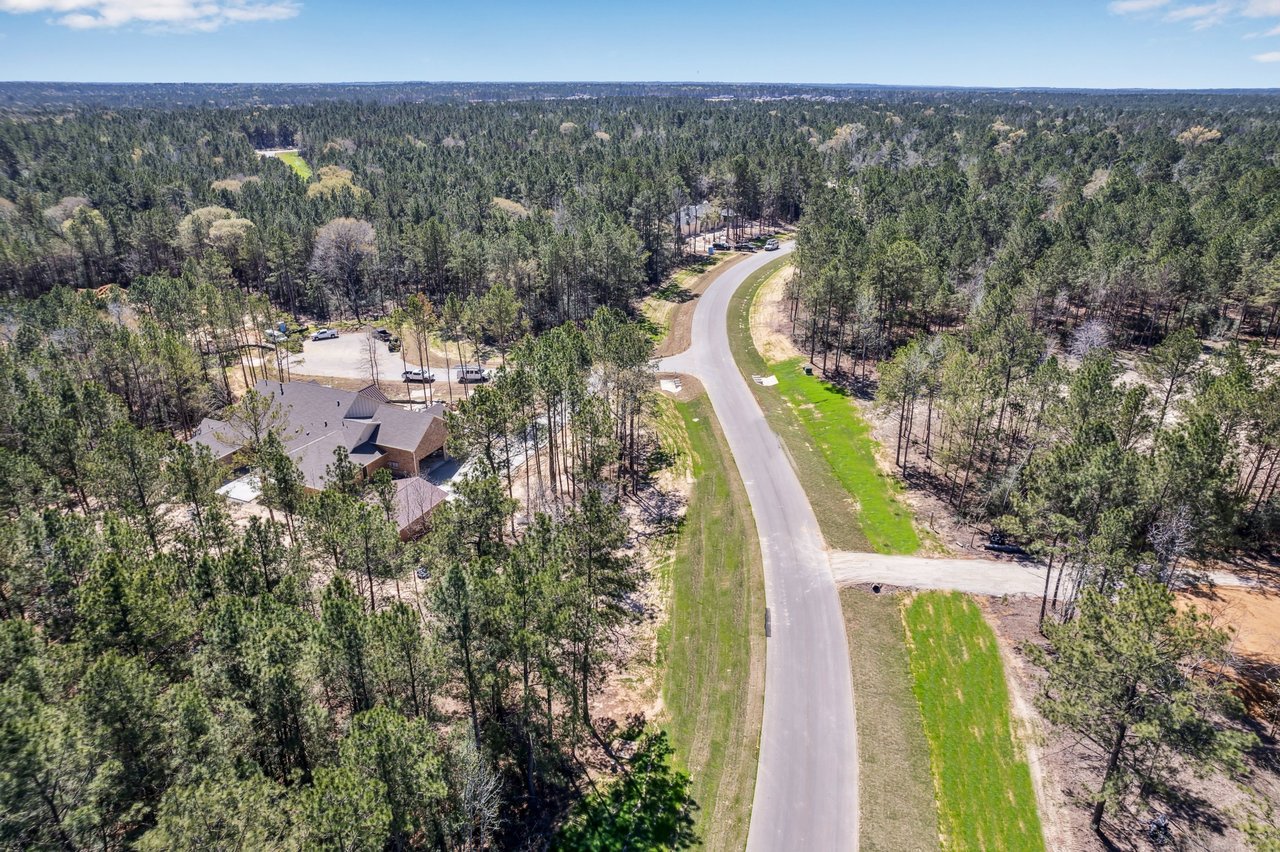
High Meadow Ranch listings run the full range from roughly one acre up past twelve, and that spread is exactly wide enough to land buyers on both sides of the threshold without realizing it.
| Lot size | Max dwellings, private well + septic | Max dwellings, public water + septic |
|---|---|---|
| about 1 acre | below the minimum for even one well-served dwelling | 1 |
| about 2 acres | 1 | 2 |
| about 4 acres | 2 | 4 |
| about 6.6 acres | 4 | 6 |
| about 11.9 acres | 7, and large enough to also qualify for the state's permit exemption | 11 |
The one-acre row is worth sitting with. A one-acre parcel doesn't meet the county's own 1.5-acre minimum for a single well-served dwelling, which means any High Meadow Ranch homesite that size and on septic has to be running on public water. The acreage number alone tells a buyer the water source before anyone has asked the seller a single question.
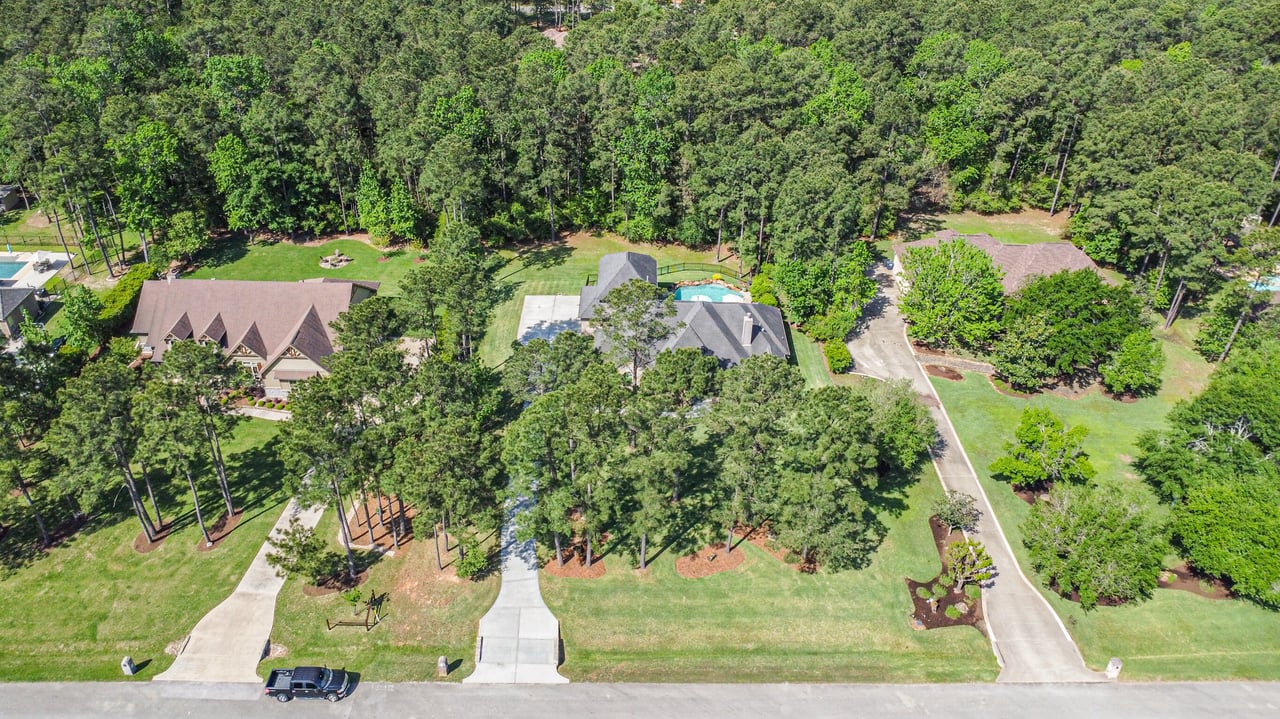
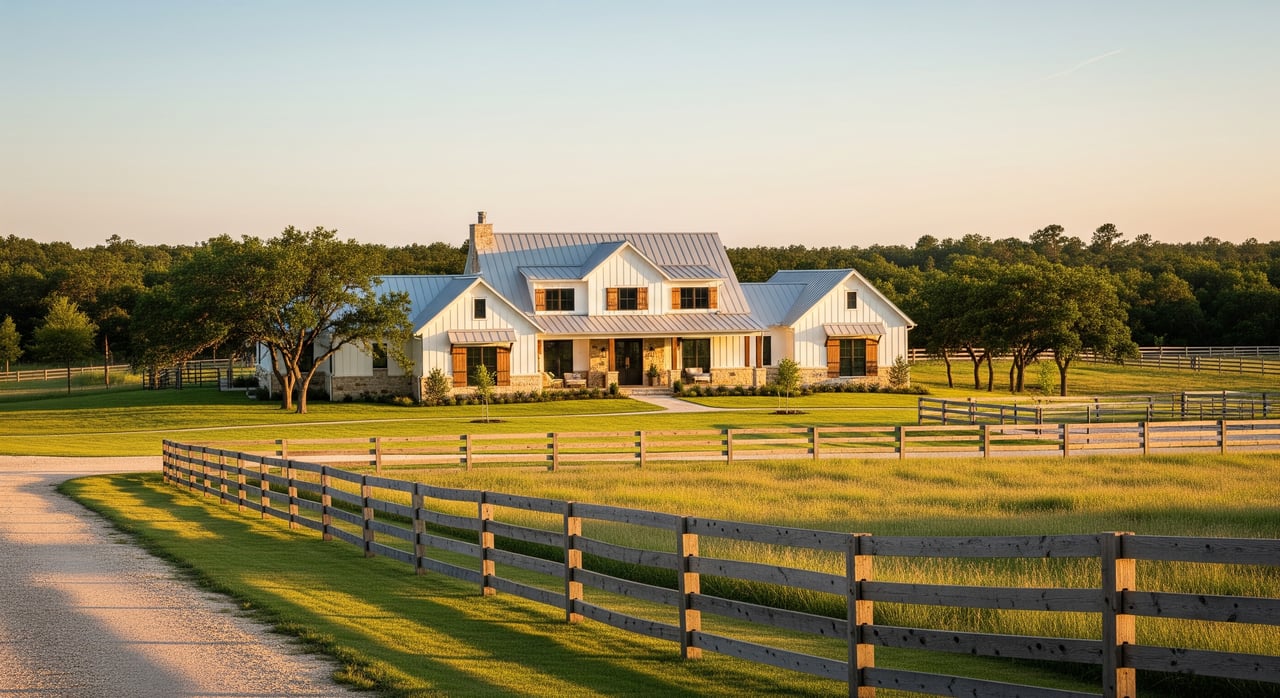
The four-acre row explains something that shows up in current High Meadow Ranch inventory. One listing on the market this year sits on just over four fenced acres backing to the fourth fairway and includes a guest house with two ensuite bedrooms and a full bath. Under the well rule, four acres supports exactly two dwellings, no more, which puts that guest house right at the legal edge rather than comfortably inside it. Under the public water rule, the same four acres would clear four dwellings with room to spare. Two buyers looking at the same listing sheet could reasonably reach opposite conclusions about how much more they could add, and only one of them would be right.
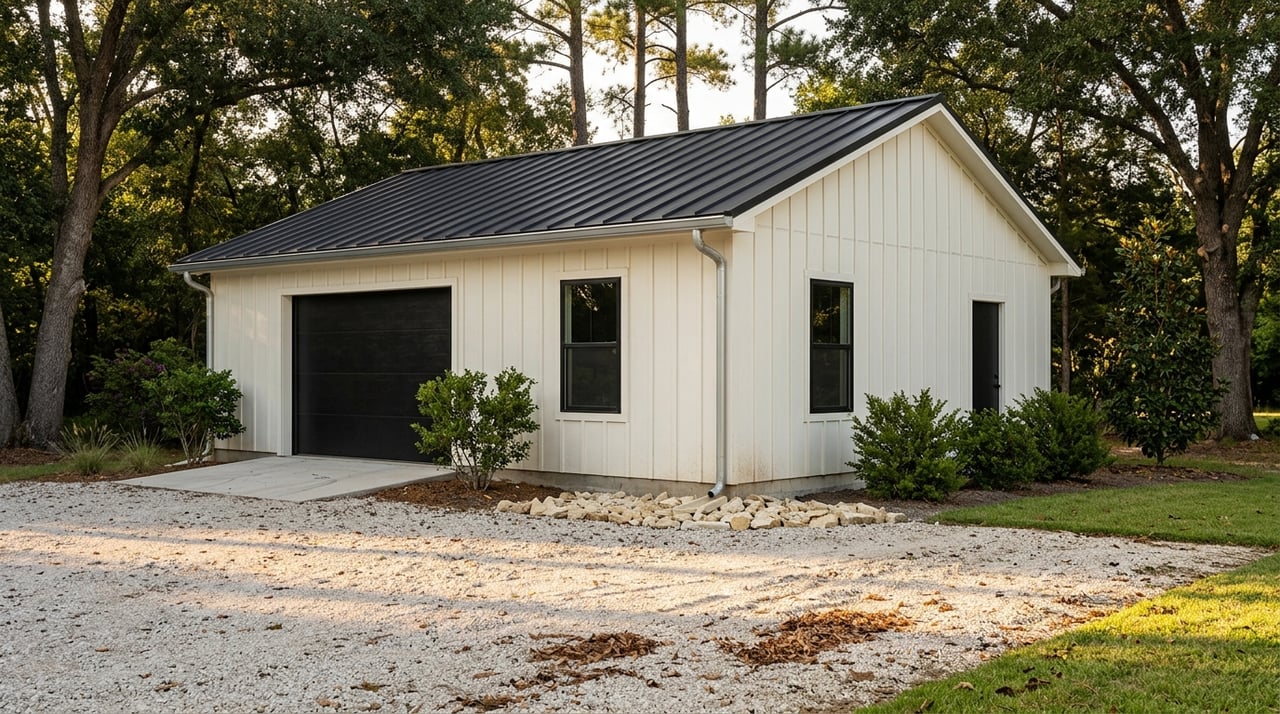
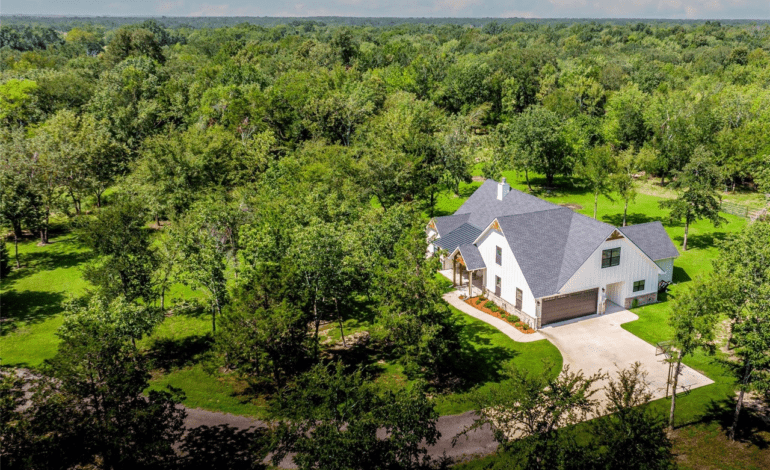
At the top end, an 11.9-acre High Meadow Ranch property currently includes a main residence, a separate guest house, and an RV garage with its own apartment. That size clears both the county's density math and the state's ten-acre exemption, which is why a lot that large can carry more structures without the same friction smaller acreage runs into.
What it costs to build the guest house even when the acreage clears
Clearing the density math is the first hurdle, not the only one. An aerobic treatment system, the type most commonly required across Montgomery County's clay-heavy soils, runs somewhere between $10,000 and $20,000 installed as of 2026. A Houston-area installer's current pricing puts a straightforward aerobic system with spray dispersal around $13,500 and a drip dispersal version around $15,500, with county permit fees on top of that.
The costs don't stop at installation. According to Texas Septic Guide, Texas requires an active maintenance contract with a licensed provider for the life of an aerobic system, with inspections three times a year. Annual maintenance and inspection costs typically run in the $300 to $600 range, plus periodic pumping. For anyone running the numbers on a guest house as a rental unit rather than a family space, that ongoing cost belongs in the return calculation from the start, not discovered after the fact.
The one document that settles it before your option period ends
The fastest way to answer the question for a specific High Meadow Ranch lot is a site evaluation from a registered site evaluator or professional engineer, the same evaluation Montgomery County requires before it will issue any new septic permit. That evaluation, paired with a straight answer from the seller on whether the property uses a private well or public water, tells a buyer exactly how many dwellings the lot can legally support and what soil conditions will do to installation cost.
Ordering that evaluation during the option period, rather than after closing, is the difference between a guest house that's a straightforward build-out and one that turns into a permitting problem months after the sale is final.
Frequently asked questions
Does adding a bathroom or small kitchenette to an existing barn or workshop get around the dwelling count? Not automatically. Montgomery County's Environmental Health Department evaluates any structure with sewage-generating fixtures against the same septic capacity and density rules that apply to a standalone guest house. The determining factor is what the site evaluation finds, not what the structure is called on paper.
If my lot already has an existing well, does that change the math? It confirms which column applies. An existing well means the property falls under the 1.5-acre-per-dwelling rule rather than the 1-acre rule for public water, which is worth knowing before assuming a guest house pencils out on the acreage alone.
Does the ten-acre exemption mean I can skip a site evaluation entirely? No. The exemption removes the county permit requirement for a single dwelling on a ten-acre-or-larger tract, but a site evaluation is still one of the conditions for qualifying, and any additional dwelling still needs its own math against the property.
If you're comparing acreage listings in High Meadow Ranch and want to know what a specific lot's water source and septic math actually allow before you write an offer, Tiffany Dixon can help you get the right questions answered while your option period still has time on the clock.
This article is general information, not legal, tax or financial advice. Consult a qualified professional about your situation.